
Syrians go to the polls on Sunday to elect a new parliament as the Damascus government grapples with international sanctions and a crumbling economy after retaking large parts of the war-torn country.
More than 7,400 polling stations will open at 7.30am (0430 GMT) in government-held parts of Syria, including for the first time in former opposition strongholds.
President Bashar Al Assad's Baath party and its allies are expected to take most of parliament's 250 seats in the third such polls to be held since the war started nine years ago.
On the eve of the polls, one person was killed and another wounded in two blasts in Damascus, state news agency Sana said.
Several lists were allowed to run across the country but any real opposition is absent, and the ruling Baath party is expected to retain its hegemony.
-
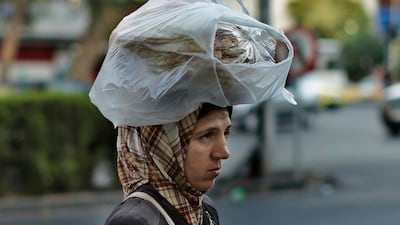
After nearly a decade of war, Syria is crumbling under the weight of a repressive, corrupt ruling elite, a pandemic and an economic downslide compounded by western sanctions. AP Photo -
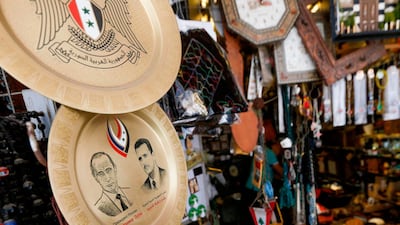
Souvenir plates bearing the Syrian flag and the portraits of Russian President Vladimir Putin and Syrian President Bashar Al Assad are pictured in a shop in a bazaar in old Damascus. AFP -
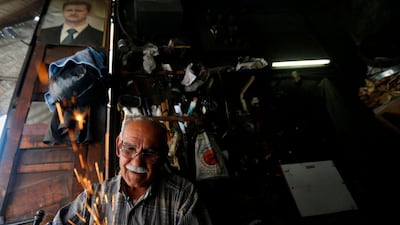
A man works in his metal workshop beneath a portrait of Syrian President Bashar Al Assad in old Damascus earlier this week. AFP -
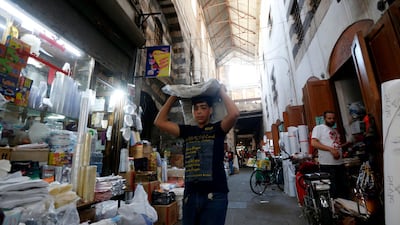
A Syrian boy carrying textiles is pictured in the bazaar in old Damascus. AFP -
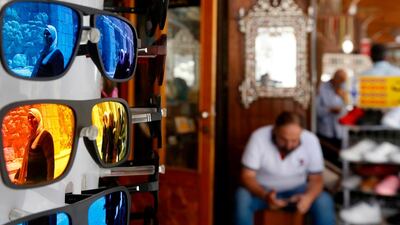
A Syrian shopkeeper waits for customers in a bazaar in old Damascus. AFP -
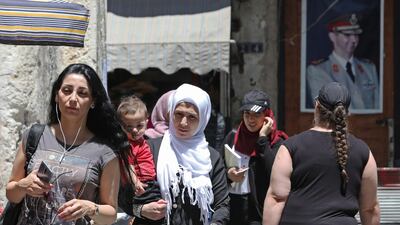
Syrians walk in old Damascus in front of a portrait of Syrian President Bashar Al Assad. AFP -
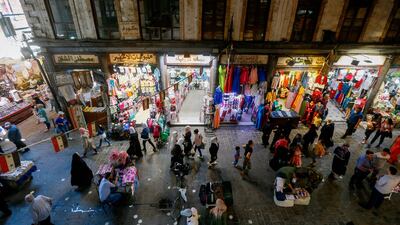
Syrian shoppers walk in the bazaar in old Damascus. AFP -
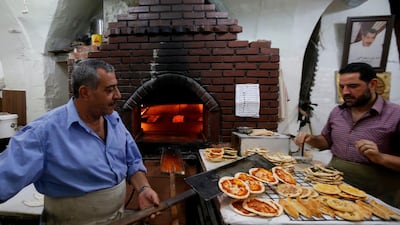
Syrian men work in their bakery in old Damascus. AFP -
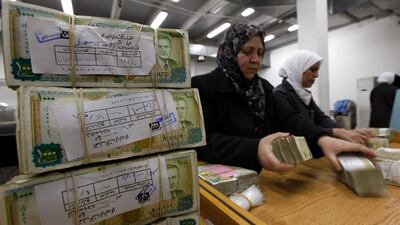
Employees stack packets of the Syrian pound in the Central Syrian Bank in Damascus. AP Photo -

An anti-Assad regime demonstration under way in Suweida, southern Syria, in early June 2020. AFP


Portraits of the contenders have been displayed across the capital for weeks, with the 1,658 candidates including several prominent businessmen.
The elections, twice postponed from April due to the novel coronavirus pandemic, come at a time when most Syrians are worried about the soaring cost of living.
Many candidates are running on programmes pledging to tackle inflation and improve infrastructure ravaged by the conflict.
"Lawmakers are going to have to make exceptional efforts to improve services," said Umaya, a 31-year-old woman who works in a dentist's practice.
Millions of Syrians living abroad, after fleeing a war that has killed more than 380,000 people, are not eligible to vote.
But for the first time, voting will take place in territory retaken by the government, including in the Eastern Ghouta region outside Damascus and in the south of Idlib province in the country's northwest.
After a string of military victories backed by key ally Russia, the government is back in control of around 70 per cent of the country, the Syrian Observatory for Human Rights says.
In the last polls in 2016, turnout stood at 57 per cent.
This year's vote comes as Damascus struggles to redress an economy battered by nine years of war, Western sanctions and the fallout of a financial crisis in neighbouring Lebanon.
Food prices in Syria have shot up by more than 200 per cent in the past year and now stand at 20 times their pre-war levels, the World Food Programme says.
In a country where more than 80 percent of people already live in poverty, the UN food agency has warned that Syrians are now facing an "unprecedented hunger crisis".
The elections also come as Assad marked a second decade in power this month, and weeks after the United States imposed new sanctions on Syria including on the president's wife.
The next presidential polls are expected in 2021, and candidates will need the written approval of at least 35 members of parliament.
Foreign Minister Walid Al Muallem last month said Assad would remain in power "as long as the Syrian want him to stay".

