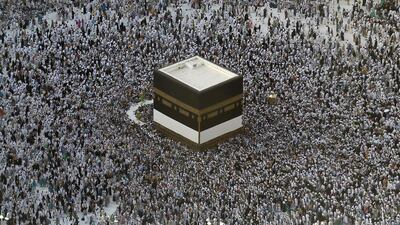
The second stage of the selection process for 60,000 places available at the Hajj pilgrimage this year began on Friday, with applications being sorted according to health status.
The pilgrimage is being limited to residents of the kingdom for a second consecutive year as a coronavirus health precaution.
Applicants must be between 18 and 65 years of age, have received at least one dose of a Saudi-recognised vaccine at least 14 days beforehand, and be free of chronic diseases.
-
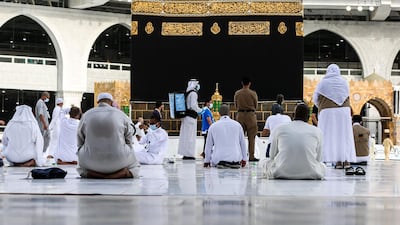
Pilgrims circumambulate around the Kaaba at the centre of the Grand Mosque in the holy city of Makkah. AFP -

Pilgrims pray on Mount Arafat during the climax of the Hajj pilgrimage amid the Covid-19 pandemic in July 2020. AFP -
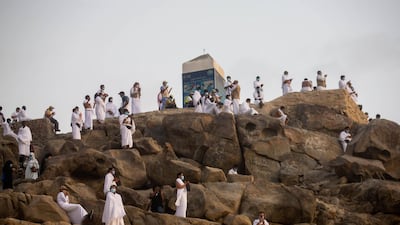
Pilgrims praying on Mount Arafat amid the Covid-19 pandemic. AFP -
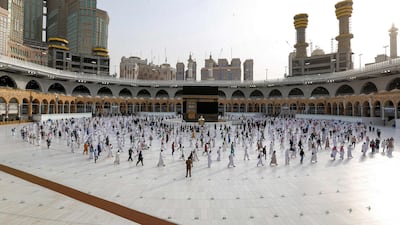
Pilgrims circumambulate around the Kaaba at the centre of the Grand Mosque in the holy city of Makkah in August last year. AFP -
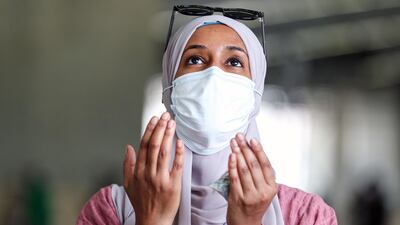
A woman pilgrim prays after throwing pebbles as at Jamarat Bridge during the Hajj pilgrimage in Mina in August 2020. AFP -
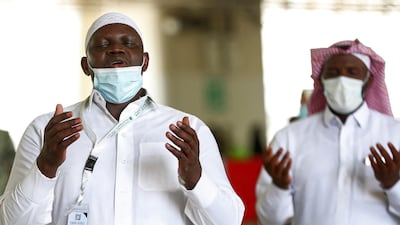
Pilgrims pray after throwing pebbles at the Jamarat Bridge during the Hajj pilgrimage in Mina in August 2020. AFP -
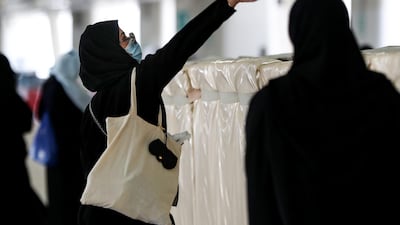
A pilgrim throws pebble during the Hajj pilgrimage in Mina in August 2, 2020. AFP -
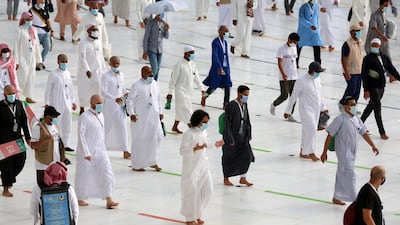
Pilgrims circumambulate around the Kaaba at the centre of the Grand Mosque in the holy city of Makkah. AFP -
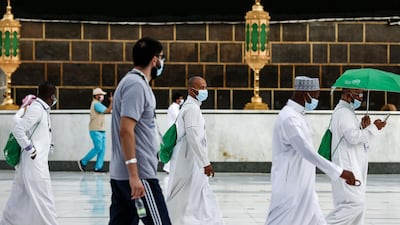
Pilgrims circumambulate around the Kaaba at the centre of the Grand Mosque in the holy city of Makkah. AFP -
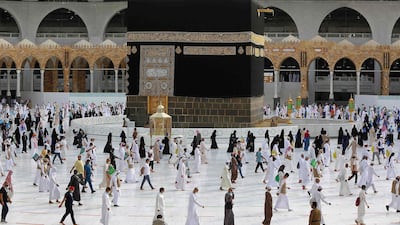
Pilgrims circumambulate around the Kaaba at the centre of the Grand Mosque in the holy city of Makkah. AFP -
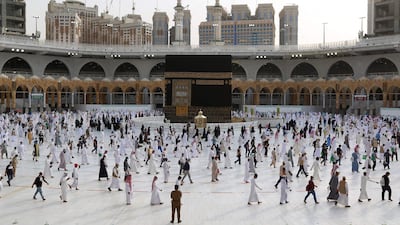
Pilgrims circumambulate around the Kaaba in August 2020 on the final day of the annual Muslim Hajj pilgrimage. AFP -
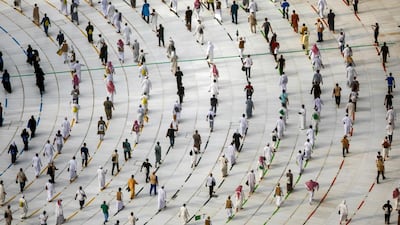
Pilgrims circumambulate around the Kaaba at the centre of the Grand Mosque in the holy city of Makkah. AFP -
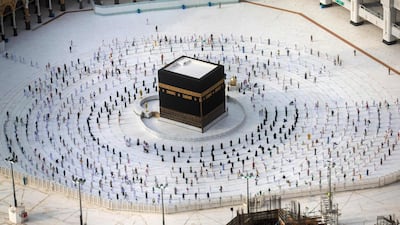
Pilgrims circumambulate around the Kaaba in August 2020 on the final day of the annual Muslim Hajj pilgrimage. AFP -

Pilgrims circumambulate around the Kaaba, the cubic building at the Grand Mosque on August 5, 2019. AP Photo -

Muslim pilgrims circumambulate around the Kaaba on August 5, 2019. AP Photo -
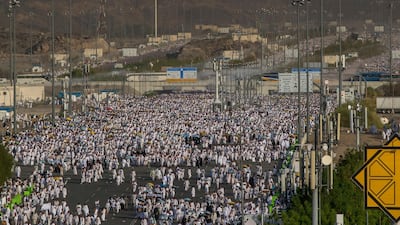
Hajj would usually see millions of Muslims visit Saudi Arabia, but coronavirus muted last year's festival. AP -
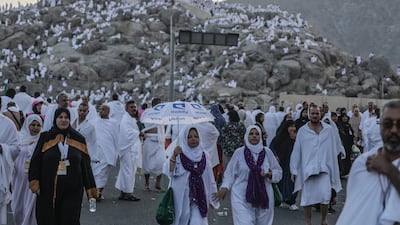
Pilgrims pray during the Hajj pilgrimage on the Mount Arafat on August 20, 2018. EPA -

Pilgrims pray at Jabal Al Rahma holy mountain at Arafat for the annual hajj pilgrimage on August 20, 2018. AP Photo -

Pilgrims gather around the Kaaba at the Grand Mosque in Saudi Arabia's holy city of Makkah on August 8, 2019. AFP


Saudi Arabia's Ministry of Hajj and Umrah said it received 558,270 applications by the deadline on Wednesday. More than 450,000 people applied within 24 hours of applications opening on June 13.
The ministry said 41 per cent of the applications were from women, who this year will be allowed to perform the pilgrimage in groups without a male guardian.
Most of the applicants (38 per cent) were in the 31-40 age group, followed by those between 21 and 30 years old (26 per cent), 41 and 50 (20 per cent) and 51 and 60 (11 per cent). The fewest applications were from people over 60 (2 per cent) and 18 to 20-year-olds (3 per cent).
The ministry said priority will be given to people who have not performed Hajj in the past five years and those over 50 who have never made the pilgrimage.
Successful applicants must choose from one of three packages available on the ministry website and make payment within three hours to avoid cancellation of their permit.
Saudi authorities explained the decision to restrict participation to citizens and residents.
"We took this decision for the greater good of everyone. We don't want Hajj this year to turn into an infection hot spot," Saudi Deputy Health Minister Hani Jokhdar said at a WHO briefing in Cairo on Thursday.
In recent years the annual Hajj, which Muslims must perform at least once in their lifetime, has drawn more than two million people from all over the world who spend days in close proximity as they perform the rituals of the pilgrimage in Makkah and Madinah.
Dr Jokhdar said that this year pilgrims will be divided into fixed groups that take turns to visit the holy sites.
Each group will be assigned a health official, who will monitor members throughout the six days of Hajj and promptly handle suspected or confirmed infections.

