Places to visit in Oman: Nizwa Fort, Mutra Souq, Sultan Qaboos Grand Mosque and more - in pictures
-

Nizwa Fort in Nizwa, Oman. All pictures: Victor Besa / The National -
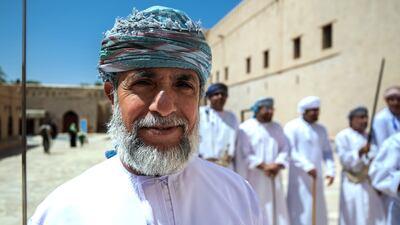
It was built in the 1650s by Imam Sultan Bin Saif Al Ya'rubi. -

It is Oman's most visited national monument. -

Imam Sultan Bin Saif Al Ya'rubi was the second of the Ya'rubi dynasty of imams. -
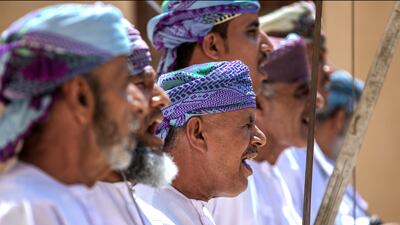
The fort's underlying structure dates back to the 12th century. -
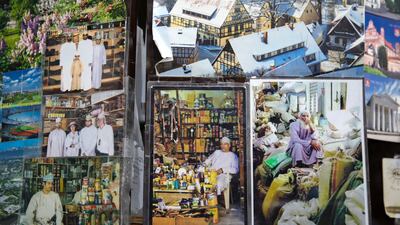
Ahmed bin Abdullah Al Amri Trading. The souq has different parts depending on what you want to shop for. -
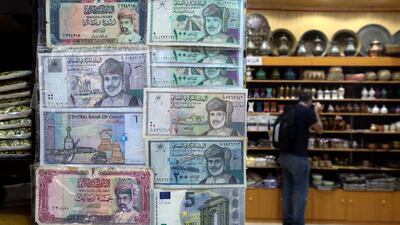
In the mornings you will see locals buying vegetables and meat. The rest of the souq sells unique souvenirs like taqiya caps, lamps and fresh dates. -
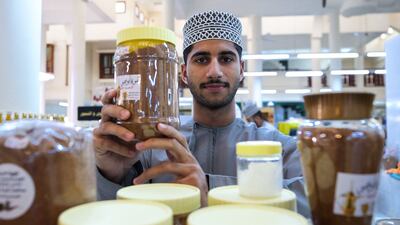
Located near the castle, the souq offers a glimpse of old Oman. -
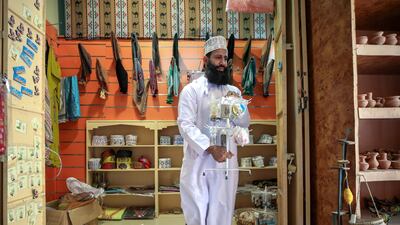
A shop owner brings out his wares. Some sections of the souq have retained its ancient architecture and unrenovated structures. -
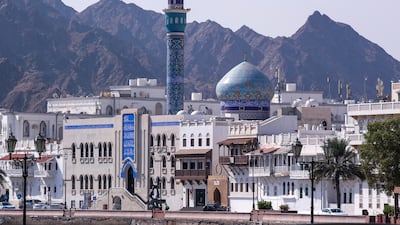
Masjid Al Rasool Al A'dham at Mutrah Fish Market. -
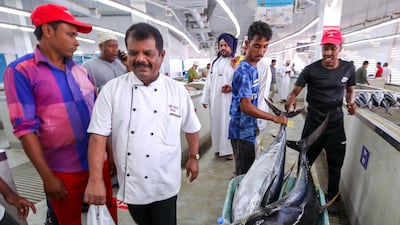
The fish market stretches along the Mutrah waterfront in Muscat. Omani fishermen arrive early to unload, prepare and then sell their day’s catch. -

The Mutrah Souq is located along the corniche in Muscat. -

It is one of the oldest souqs on the Arabian Peninsula. -
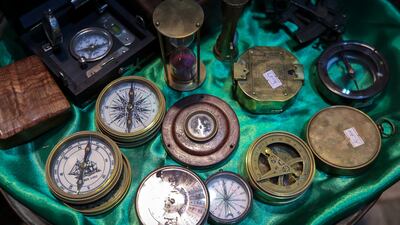
However, the souq was rebuilt in the 1970s. -

Jamal Muhammad Ali Al Balooshi, shopowner at Mutrah Souq. -
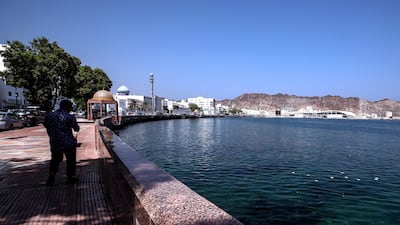
Mutrah Corniche in Muscat. -
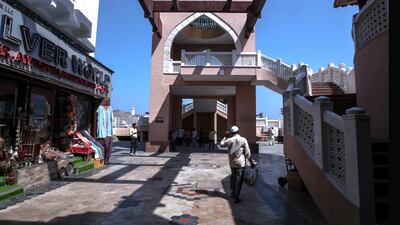
A shopper at Mutrah Souq. -
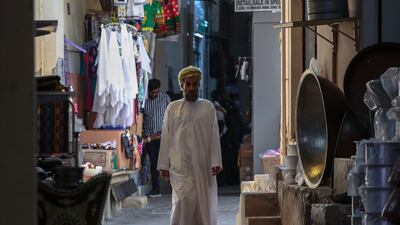
Another person browses at Mutrah Souq. -

Oman's Royal Opera House of Musical Arts in Muscat. -

The 'Oman and the World: A Musical Journey Exhibition' at the opera house. -
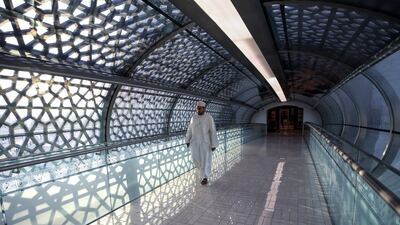
A person looking around the exhibition. -
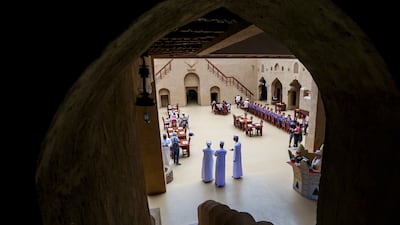
A restaurant that looks like a fort, located along Sultan Qaboos Street in Muscat. -

Mandi, made with Omani samar wood. -
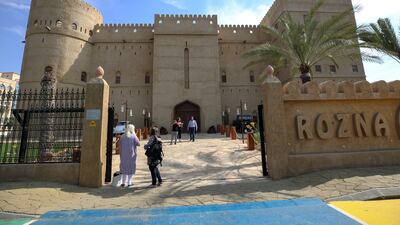
The Rozna restaurant is known for serving the best authentic Omani food in Muscat. -

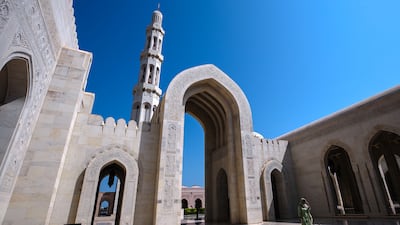
The Sultan Qaboos Grand Mosque in Muscat. The chandelier sits 14 metres above the praying hall. -
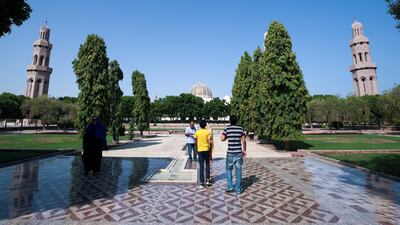
In 1992, Qaboos bin Said Al Said, then Sultan of Oman, ordered the building of the grand mosque. -
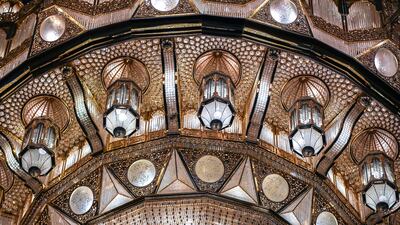
The chandelier was manufactured by the Italian company Faustig. -
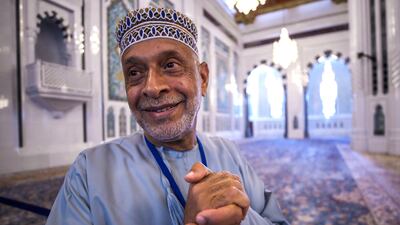
Khalifa Nasser Al Maskery, 70, has been a volunteer tour guide at the mosque for more than eight years. -
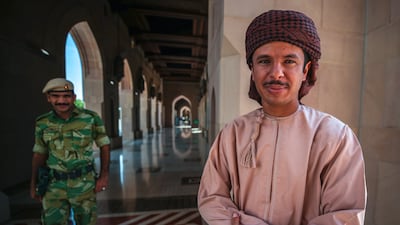
A competition for the mosque's design took place in 1993. -

Construction started in December 1994. -
The chandelier used to be the world's largest, before being replaced by one at the Sheikh Zayed Mosque in Abu Dhabi.


Most popular today

