



Antibodies induced from a recent Covid-19 infection provide longer-term protection against the coronavirus than vaccination, a study in Israel has found.
Research by the Sheba Medical Centre in Ramat Gan, Israel, also found previously infected patients with obesity had a higher and more sustained immune response and protection than overweight and normal weight-range patients.
While protection against reinfection lasts for a long time in Sars-CoV-2 recovered patients, breakthrough infections are increasingly common six months after vaccination with the Pfizer-BioNTech vaccine.
Sheba Medical Centre
The study’s authors analysed the antibody-induced immune response in people who had recovered from Covid-19 for up to a year.
Their outcomes were compared to those who had received two doses of the Pfizer vaccine without a previous infection over an eight-month period.
The study of 130 patients diagnosed with Covid-19 via a PCR test was conducted by Dr Carmit Cohen at the hospital’s specialist disease prevention unit.
“While the number of antibodies decrease with time in both Covid-19 recovered patients and vaccinated individuals, the quality of antibodies increases following infection but not after vaccination,” said Dr Cohen, a senior researcher at Sheba’s infectious diseases prevention unit.
“These results provide specific characteristics of the immune response that may explain the differential protection against Covid-19 in previously infected and vaccinated individuals.”
Researchers found that the numbers of antibodies a month after vaccination were higher than those who had recovered from Covid-19 but those numbers declined more steeply in the vaccinated group.
What also surprised scientists at the unit was that, against expectations, the antibodies of recovered obese patients were higher than in those either overweight or in a normal weight range.
Obesity was measured by body mass index, with those with a rating of 30 or higher considered obese.
The figures suggested people with obesity who had been previously infected were better protected against reinfection than those who were overweight or normal weight and had been previously infected.
“People with obesity have a significantly higher and sustained humoral [antibody induced] response following infection,” Dr Cohen said.
Medics in the UAE have reported a large percentage of those suffering from long Covid symptoms also had chronic health conditions, such as obesity, diabetes or hypertension.
Of all the recovered patients assessed in the Tel Aviv trial, 42 (36 per cent) experienced long Covid symptoms.
Those symptoms included mental health issues such as depression and anxiety (5 per cent), neurological disorders (9 per cent), cardiovascular conditions (5 per cent) and 31 per cent of patients had some form of respiratory manifestation, like a persistent cough or breathing difficulties.
The research has been peer reviewed and will be presented at the European Congress of Clinical Microbiology and Infectious Diseases in Lisbon in April.
Long Covid symptoms: in pictures
-
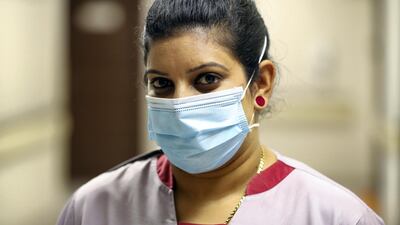
Seema Mary Rajan, a nurse at Medcare Hospital in Sharjah, suffered breathing problems and joint pain long after she recovered from Covid-19. Chris Whiteoak / The National -
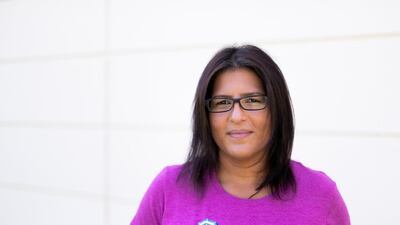
Milena Timson-Katchis, a triathlete, found it hard to exercise after getting the all-clear from Covid-19. Reem Mohammed / The National -
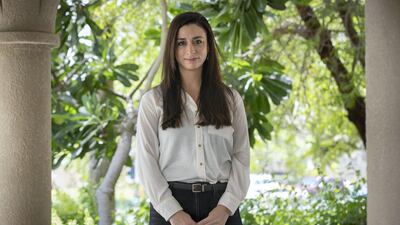
Eman Jamal experienced breathing issues for months after she had Covid-19. Antonie Robertson / The National -

Ahmad Zahalqa suffered shortness of breath when doing any form of intensive exercise, months after getting the all-clear. Antonie Robertson / The National -
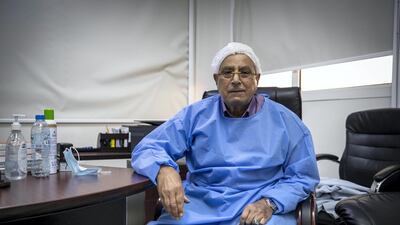
Dr Waguih Elsissi, an orthopaedic surgeon at the Ajman Speciality Hospital, experienced pain for months after contracting Covid-19. Antonie Robertson / The National



