

A "Ponzi Finance" scheme run by Lebanon’s political elite to systematically capture the country’s resources has caused unprecedented social and economic pain to the Lebanese people, the World Bank said.
The country's government "consistently and acutely" departed from orderly and disciplined fiscal policy to serve the larger purpose of cementing political economy interests, the Washington-based lender said in its latest report on Lebanon's financial meltdown.
It said excessive debt accumulation was used to give the “illusion of stability” and reinforce confidence in the macro-financial system for deposits to continue to flow in from Lebanese abroad.
The country’s economic depression — deliberate in the making over the past 30 years — has completely hollowed out the system and with no resources at hand, the government does not have the ability to provide basic services to its citizens, it said.
“It is important for the Lebanese people to realise that central features of the post-civil war economy — the economy of Lebanon’s Second Republic — are gone, never to return,” the World Bank said.
“It is also important for them to know that this has been deliberate.”
This is the second time this year the World Bank has blamed the Lebanese political elite for the country’s economic meltdown.
In January, the lender said the economic crisis, orchestrated by the country’s elite, was among the worst economic collapses since the 1850s and is disintegrating vital pillars of Lebanon's post-war economy.
The country’s real gross domestic product is estimated to have declined by 10.5 per cent in 2021, after a 21.4 per cent contraction in 2020. This year, the lender expects the Lebanese economy to contract another 6.5 per cent, given the extraordinary economic uncertainty, it said in a report in April.
Lebanon's economy collapsed after it defaulted on about $31 billion of Eurobonds in March 2020, with its currency sinking more than 90 per cent against the dollar on the black market.
The country's public debt ballooned to more than $100bn, or about 212 per cent of GDP, in 2021.
Lebanon has the fourth-highest debt-to-GDP ratio in the world, surpassed only by Japan, Sudan and Greece, the World Bank said.
Inflation in the country rose to 210 per cent in June from the same period a year earlier. This is the 24th consecutive triple-digit increase of the Central Administration of Statistics' Consumer Price Index since July 2020. The index increased 9.23 per cent from May 2022.
Lebanon is also the country worst hit globally by the food inflation crisis, driven by the war in Ukraine, the World Bank said in its latest global food insecurity report.
-

A baker holds up a seeded white loaf of bread at a bakery in Beirut, Lebanon, which faces a food crisis because of war in Europe. All photos: Bloomberg -
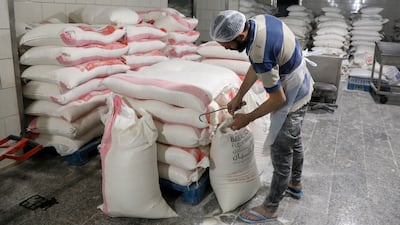
A worker opens a sack of flour to prepare bread dough in Beirut. Lebanon's wheat importers are already rationing flour sales to counter panic buying. -
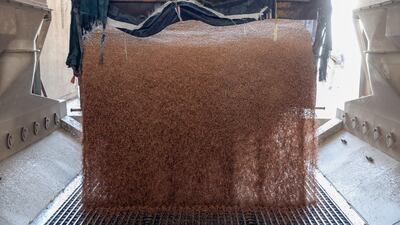
Lebanon, already suffering from years of financial crisis, has faced new problems since Russia invaded Ukraine in February. -
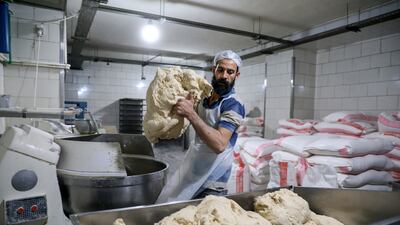
Lebanon normally buys 96 per cent of its wheat from Russia and Ukraine. -
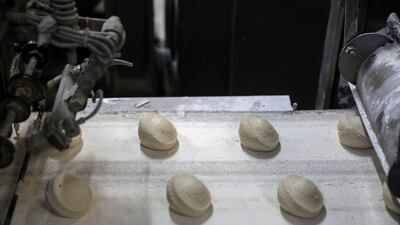
The war between two of the world's biggest wheat exporters has sparked fears of a food crisis in many Middle Eastern countries. -
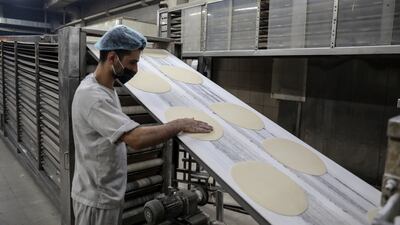
Lebanese importers are struggling to get dollars from a subsidy programme to buy wheat from new suppliers. -
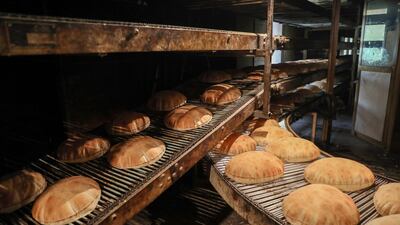
As countries try to secure new sources of wheat, cash-strapped Lebanon's small market of 6 million people could go without. -
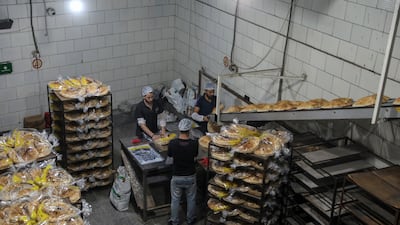
Lebanon lacks grain storage after silos were destroyed in the 2020 Beirut Port blast. -

The country needs 50,000 tonnes of wheat to feed its people for a month. -
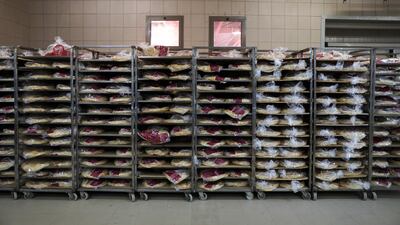
Subsidies keep the price of bread in Lebanon artificially low. -
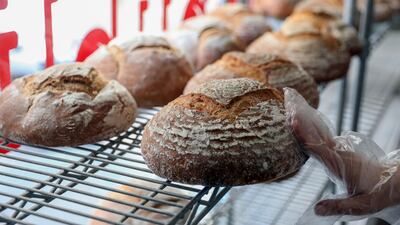
But a loaf now costs on average 10,000 Lebanese pounds, or $0.45, more than six times the price in 2019. -

Millers estimate that without subsidies, prices could more than double. -

Analysts fear that could cause social unrest in a country where three quarters of the population now live in poverty.


The formation of a new government has stalled more than two months after parliamentary elections were held in the country, delaying the implementation of reforms that are a prerequisite to securing $3bn from the International Monetary Fund.
However, the country will require at least $12bn-$15bn from its partners to jump-start its economic recovery and shore up fast-diminishing foreign currency reserves, Banque du Liban governor Riad Salameh said in December.
The country’s banking system has now collapsed, with peoples’ savings stuck in their deposits, the World Bank said.
“Most painfully, a significant portion of people’s savings in the form of deposits at commercial banks have been misused and misspent over the past 30 years,” the lender said.
“These are earnings by expats who toil in foreign lands; they are retirement funds for citizens and perhaps the sole resource for a dignified living.”
The constant messaging by politicians that deposits in the collapsed banking system were “sacred” is at the root of problems.
“Political slogans for the ‘sacrosanct of deposits’ are hollow and opportunistic; in fact, the constant abuse of this term by politicians is cruel,” the lender said.
“Not only does it flagrantly contradict reality, it prevents solutions to protect most, if not all small and medium depositors, in dollars and in cash.”
Losses at commercial banks should have been accepted and carried by bank shareholders and large creditors, who “profited greatly over the last 30 years from a very unequal economic model”, the World Bank said.
“This should have occurred at beginning of the crisis [over two years ago] to limit the economic and social pain of the financial crisis,” it said.
While Lebanese citizens should know the root causes of the financial debacle the country is facing and “how and why this happened”, they should also understand that it is time for the country to implement reforms, the World Bank said.
"Lebanon must critically adopt — now — and efficiently implement a comprehensive programme of macro-economic, financial and sector reforms that prioritise governance, accountability and inclusiveness," it said.
“The earlier these reforms will be initiated, the less painful the cost of Ponzi Finance will be on the Lebanese people."

