
A first-of-its-kind study using satellite images to count fresh graves and analyse burial activity in Yemen has estimated that the death toll there from Covid-19 or related causes, is far higher than official figures suggest.
Using high-resolution satellite imagery, researchers at the London School of Hygiene and Tropical Medicine (LSHTM) analysed burial activity at all identifiable cemeteries in Yemen's Aden region and calculated an estimated 2,100 "excess deaths" during the Covid-19 outbreak between April and September.
"This total is best interpreted as the net sum of deaths due to Covid-19 infection and deaths indirectly attributable to the pandemic," they said. The indirect deaths would be those caused by disruptions to health services or by measures which may have caused problems accessing food, they explained.
Humanitarian and global health experts had expected the Covid-19 pandemic's impact on Yemen to be severe, not least because the country's five-year conflict has disrupted already weak health services and led to overcrowding, food insecurity and shrinking humanitarian aid.

But as of October 25, Yemen, which reported its first confirmed Covid-19 case on April 10, had recorded only 2,064 infections with 600 deaths from the disease.
Yemeni authorities did not comment on the satellite estimates, but the internationally recognised government has said previously that it reports figures daily for areas under its control and that nothing is hidden. There have been major challenges in testing and tracing cases given the battered health sector, lack of medical labs and few specialists.
Covid in Yemen
-
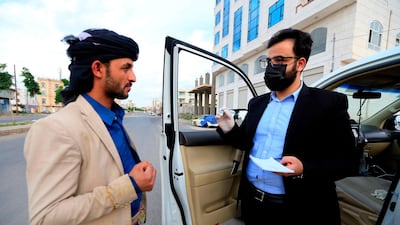
Yemeni physician Sami Yahya Al Hajj provides free medical service from his car in the capital Sanaa. AFP -

'Stop me if you need a medical consultation', reads a sticker on the rear window of Sami Yahya Al Hajj's car, alongside a cartoon figure of the bearded doctor wearing his square spectacles. AFP -

In a war-ravaged country now battling coronavirus, the Yemeni doctor has hit the road to dispense medical advice from his car, gathering a large social media following along the way. AFP -
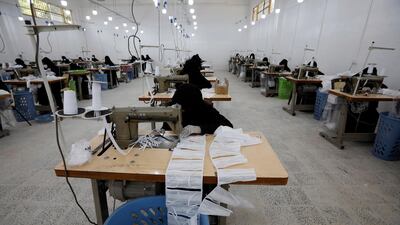
Women make protective face masks to be used to help curb the spread of the ongoing Covid-19 pandemic, at a textile factory in Sanaa. EPA -
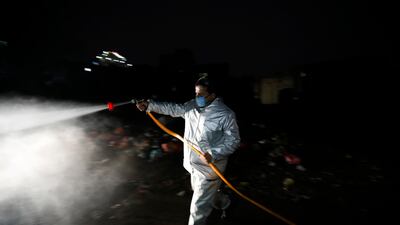
A Yemeni volunteer wearing a protective suit sprays disinfectant at a neighbourhood amid the ongoing Covid-19 pandemic in Sanaa. EPA -
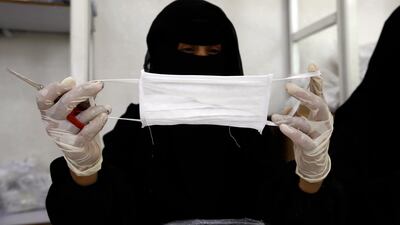
More than 160 Yemeni women work in a revitalised textile factory in Sanaa to make nearly 15,000 protective face masks per day amid a severe shortage of surgical masks. EPA -
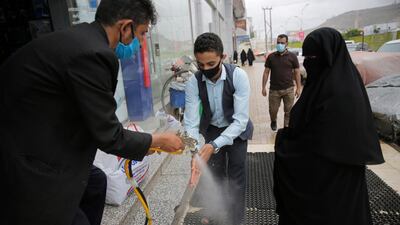
A worker disinfects a shopper's hands as a preventive measure against the spread of the new coronavirus before they enter a mall in Sanaa. AP -
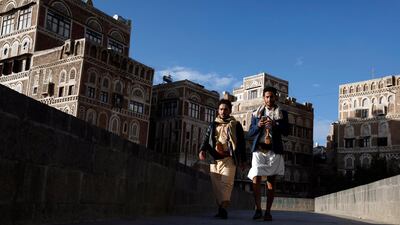
Yemenis walk past historic buildings amid the ongoing Covid-19 pandemic in the old quarter of Sanaa. EPA -
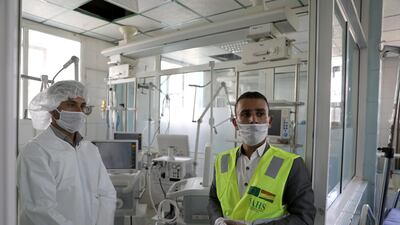
A nurse and a trainer during a lesson on how to operate ventilators recently provided by the World Health Organisation, in an intensive care ward for coronavirus patients in Sanaa. Reuters, file -
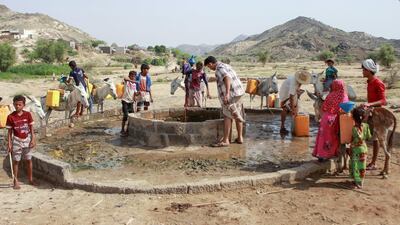
Yemenis fill their jerrycans carried by donkeys with water from a cistern at a make-shift camp for the internally displaced in the northern Hajjah province. AFP


Francesco Checchi, who co-led the study, said that having an accurate picture of Covid-19's impact "is vital for effective government and humanitarian responses".
"By estimating excess mortality, we aimed to develop a more accurate estimate of the toll of Covid-19 in Yemen," he said.
The researchers, whose findings have yet to be peer-reviewed, also cited other material as supporting their estimates.
In May, videos posted on social media and information from informants reported high numbers of new graves, suggesting a surge in burial activity, they said. "The use of mechanical excavators in place of human gravediggers suggested that demand exceeded routine capacity."
During the same period, the global medical charity Doctors Without Borders reported a surge in hospital admissions, with a very high case-fatality ratio, and media said a shortage of personal protective equipment had forced several hospitals to close or reject patients with coronavirus-like symptoms.
The research, funded by the UK government, was led by LSHTM and the technology company Satellite Applications Catapult, which specialises in geospatial analysis.
The researchers said they are now conducting a similar study in Mogadishu, Somalia.
"Though our method cannot distinguish direct from indirect virus deaths, estimating excess mortality attributable to the Covid-19 pandemic in a humanitarian setting captures the whole system impact," said Emilie Koum Besson, who co-led the work.

