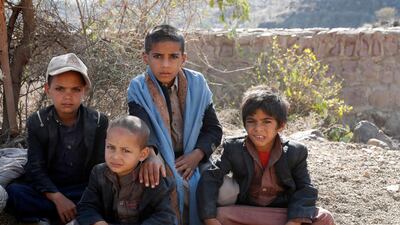

UK aid programmes that provide assistance to some of the poorest and most vulnerable areas of the world could be slashed by upward of 60 per cent, with Middle Eastern and North African nations set to lose out.
Aid to Lebanon could fall by 88 per cent, Syria by 67 per cent and Libya by 63 per cent, according to figures leaked to openDemocracy, a UK-based political website.
In Sub-Saharan Africa, Britain's aid contribution would be almost wiped out – with a cut of 93 per cent being considered.
The figures, which were marked "official sensitive", are an insight into the British government's plan to slash its overseas aid budget.
Britain decided last year to reduce its total spending on aid from 0.7 per cent of its gross national income to 0.5 per cent.
Last week, the UK was rebuked after confirming it would significantly reduce aid to Yemen in 2021, despite the threat of famine and death for millions of people there.
Middle East Minister James Cleverly told an online donor conference that the UK would give Yemen at least £87 million ($121.2m) over the next financial year, compared to the £160m it pledged at the same summit last year, and £214m across 2020.
The figures also show that Somalia and the Democratic Republic of the Congo would face a 60 per cent cut in UK aid, South Sudan would lose 59 per cent and Nigeria 58 per cent.
If the sub-Saharan Africa funding is approved, it will reduce £340m of aid to £23m.
-
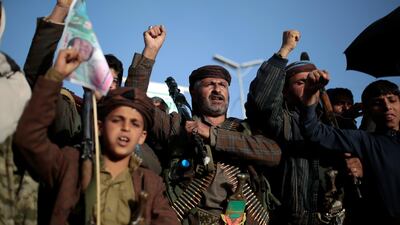
Houthi supporters chant slogans as they attend a demonstration against the United States over its decision to designate the Houthis a foreign terrorist organization in Sanaa, Yemen. AP Photo -
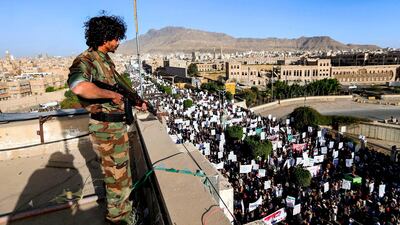
A member of security forces loyal to Yemen's Houthi rebels stands guard as supporters attend a rally denouncing the United States and the Trump administration's decision to apply the "terrorist" designation to the Iran-backed movement. AFP -
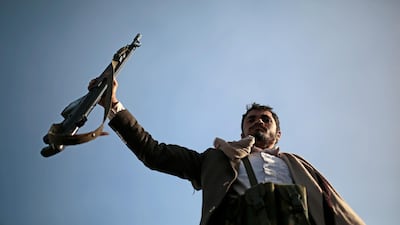
A Houthi supporter holds his weapon during a demonstration against the United States over its decision to designate the Houthis a foreign terrorist organization in Sanaa, Yemen. AP -
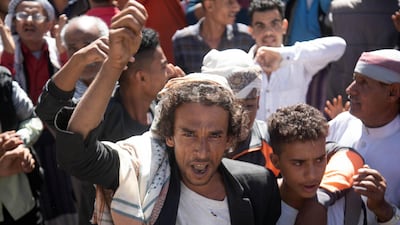
Opposers of Yemen's Houthi rebels shout slogans during a rally in support of the United States and the Trump administration's decision to apply the "terrorist" designation to the Iran-backed movement, in Yemen's third city of Taez. AFP -
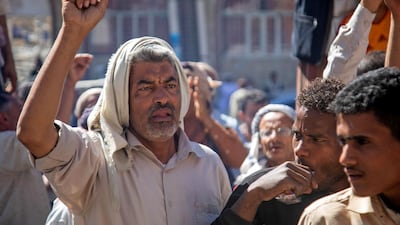
Opposers of Yemen's Houthi rebels shout slogans during a rally in support of the United States and the outgoing Trump administration's decision to apply the "terrorist" designation to the Iran-backed movement, in Yemen's third city of Taez. AFP -
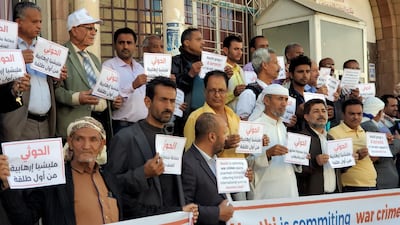
Yemenis opposed to the country's Houthi rebels take part in a rally in support of a recent decision by the United States' outgoing administration blacklisting the Houthi group as a "terrorist" organisation in Yemen's third city of Taez. AFP -
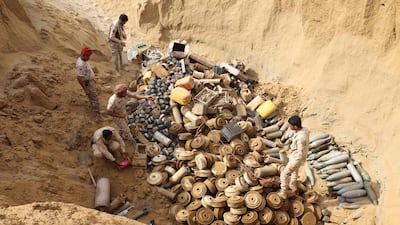
A joint Saudi-backed Sudanese-Yemeni force removes landmines, which they said were planted by the Iran-aligned Houthi rebels in Yemen's northern coastal town of Midi, in the Hajjah governorate. AFP -
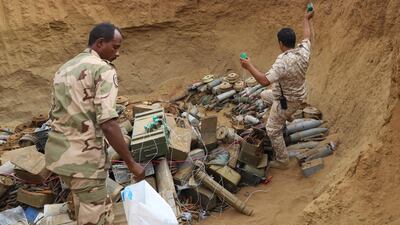
The Saudi-backed Sudanese-Yemeni force removes and de-activates landmines in the Hajjah governorate near the border with Saudi Arabia on the Red Sea. AFP -
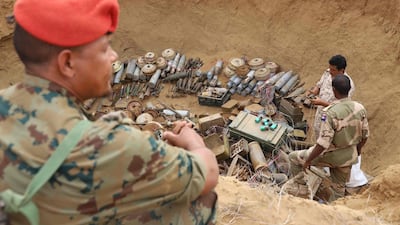
The force collected some 5,000 landmines. AFP -
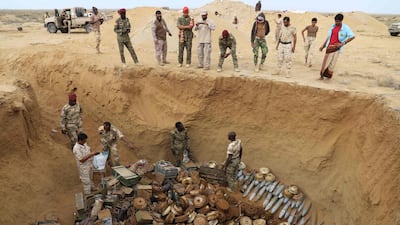
A shot shows landmines collected by the Sudanese-Yemeni force. AFP -
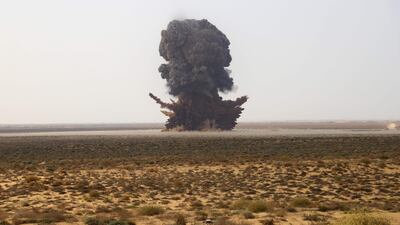
An expAFP


Andrew Mitchell, a member of the ruling Conservative Party, demanded that members of parliament vote on the proposed aid cuts.
Sarah Champion, an opposition Labour Party Member of Parliament who is a member of the on the International Development Select Committee, accused the government of turning its back on some of the world's most vulnerable people.
“Reports of aid cuts to countries such as the [Democratic Republic of the Congo], South Sudan and Syria – among many others on the brink of humanitarian crises – are deeply concerning,” she said.
“More of the most vulnerable people in the world will go hungry; healthcare systems already under strain from a global pandemic will struggle to operate; violence and conflict will no doubt escalate.
”The government must explain the rationale for any cuts and be held accountable for the decisions it will take.”
The Foreign Office did not comment on the leaked figures, except to say: "We are still working through what this means for individual programmes and decisions have not yet been made."

