
Firoza Omar was nursing her four-month-old son at her home in Kabul when she heard of reports of an attack on a maternity hospital operated by Doctors Without Borders in the Afghan capital.
In one of the most brutal incidents of insurgency in recent history, the hospital caring for pregnant mothers and babies in Shiite-dominant neighbourhood came under fire from armed gunmen. At least 24 were killed, including babies, mothers, and health workers, and many others were injured.
Although no group has claimed the attack, ISIS – which frequently targets Afghan minorities – is believed to be behind it.
Deeply moved by the images of the injured babies now without their mothers, Ms Omar set out to Ataturk Hospital, where the rescued children were taken, to offer help.

"I had to do something, so I talked to my husband and left our son with him and went to hospital," the 27-year old told The National.
The situation at the hospital was overwhelming.
“It was really bad. There were injured babies everywhere. They were crying, some of them were comatose, and others were crying for their mothers. I was crying too,” Ms Omar described.
“This attack was a cowardly act of violence. What kind of a person attacks pregnant women, babies and innocent people?” she said. Her thoughts resonated with the widespread anger among Afghans following the attack.
Ms Omar held some of the crying babies to comfort them and breast-fed those without their mothers. She began just feeding those who were crying, but ended the day having fed 14 of the 19 rescued babies.
-
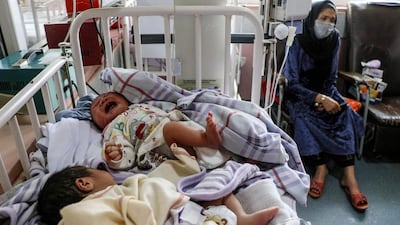
A woman sits next to newborn babies who lost their mothers following a suicide attack in a maternity hospital, in Kabul. AFP -
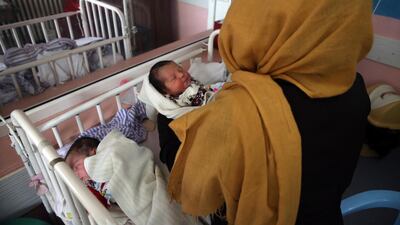
Newborn babies lie in their beds at the Ataturk Children's Hospital after they were rescued from a deadly attack on another maternity hospital, in Kabul, Afghanistan. AP Photo -

A newborn baby is cared for at the Ataturk Children's Hospital after being rescued from a deadly attack on another maternity hospital, in Kabul, Afghanistan. AP Photo -
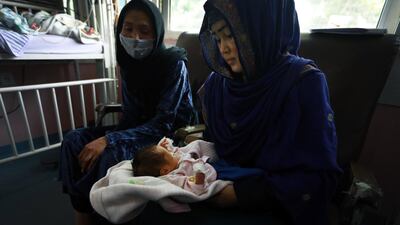
A rescued mother and her newborn baby take medical care in a hospital after the complex attack at MSF hospital, in Kabul, Afghanistan. EPA -
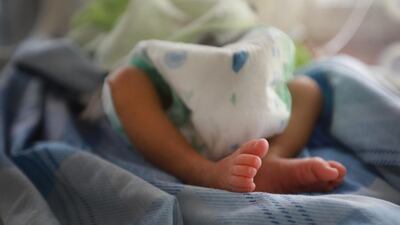
A Rescued newborn baby receives medical care in a hospital after the complex attack at MSF hospital, in Kabul, Afghanistan. EPA -
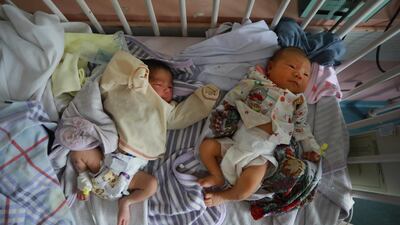
Rescued twin newborn babies receive medical care in a hospital a day after the complex attack at MSF hospital, in Kabul, Afghanistan. EPA -
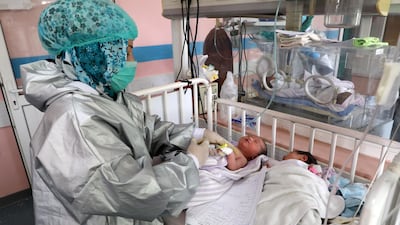
An Afghan nurse observes newborn children who lost their mothers during an attack at a hospital, in Kabul, Afghanistan. REUTERS -
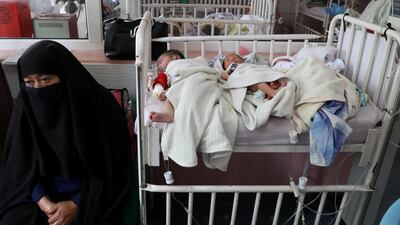
Newborn children who lost their mothers during the attack lie on a bed at a hospital, in Kabul, Afghanistan. REUTERS -
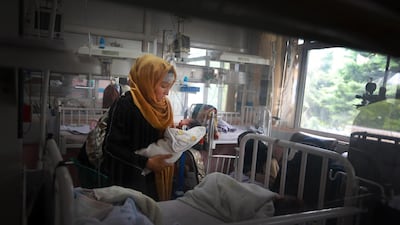
A rescued mother and her newborn baby receive medical care in a hospital after the complex attack at MSF hospital, in Kabul, Afghanistan. EPA -
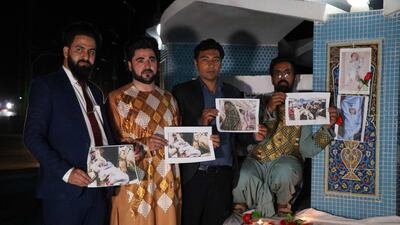
Afghans light candles during a memorial for the victims of MSF hospital and Funeral suicide bomb attack, in Herat, Afghanistan. EPA


“Some of these babies were so young, they hadn’t even hugged their mothers properly, let alone get to nurse from her,” she said, holding back tears.
“It’s hard for me to explain how the babies were looking into my eyes. It was as though they were asking me why is there all this violence around them after coming to this world. It was heartbreaking and painful."
A photo of Ms Omar nursing one of the babies in her arms circulated on Afghan social media inspired other women to come forward and offer their support to the young victims of Afghanistan’s chronic violence.
“When I went to the hospital [the next day], I was so pleased to see a line of mothers who came to give milk to the babies,” Ms Omar said. “I am proud of all mothers in this country.”
Ms Omar’s act of kindness is a significant gesture in Afghan culture, where traditions and beliefs around breastfeeding are well entrenched. Many Afghans believe that consuming the breast milk of a woman who is not your mother can tie you to her as if by blood, and the children she nursed will be considered siblings to her own child.
But Ms Omar already felt a sense of maternal kinship to the surviving babies. “There is no difference between the babies in hospital and my own son. All of them are my babies and they need me now,” she said. “I was caring for them with my whole body.”

