
Work-related stress in the UAE was higher at the end of last year than at any time since January 2020, according to a survey.
The poll by health services company Cigna Insurance found that 68 per cent of staff reported significant work-related stress.
The previous high in 2020 had been 58 per cent recorded in January's poll – just weeks before the onset of the coronavirus pandemic.
Of those surveyed in the most recent poll, 71 per cent said they worked more additional hours in December 2020 than they did in April 2020 – during the UAE's lockdown phase of the Covid-19 pandemic.
And 53 per cent said they were working extra hours at weekends.
The survey also found that 69 per cent of employees expected more mental health support from their employer.
The findings illustrate the huge emotional and workplace pressures brought on by the virus.
However, the UAE recorded a strong performance on the overall “well-being index” compared to other markets, said Cigna.
The Emirates scored 67.4 points in the well-being index in December – up by 1.8 points compared to October 2020. The global average in December was 60.9 points.
The well-being ranking considers the physical, family, social, financial and work health aspects of respondents' lives. These improved as life returned to a semblance of normality in the UAE.
"This is global issue," said Neil Shah, chief de-stressing officer at The Stress Management Society in the UK, regarding the workplace uncertainty unleashed by Covid-19.
"People miss friends, family and colleagues and are worried about their career and future."
The survey also shatters some of the illusions behind the dream of working from home.
Rather than empowering workers, the survey found it can make them more stressed and pressured to be always available.
This prevailing "always-on" culture affected 93 per cent of those polled.
"In a different world, work from home would be a godsend – especially in the UAE where it was not typical," Mr Shah said.
"But now people find it is not quite what they thought. There is no choice and children are at home too. There is no demarcation between work and home."
Mr Shah pointed to the prevalence of foreign workers in the UAE who may be feeling a more severe type of isolation.
"There is no water cooler moment on Zoom. People feel disconnected, lonely and isolated and may be living away from friends and family.
"A work network can be more important in the UAE than other parts of the world. How can we maintain these networks even if not in a physical workplace?"
The survey found that 67 per cent of UAE respondents wanted to work either entirely from the office or spend at least 80 per cent of their work time there, once the pandemic is over.
Almost two thirds – 64 per cent – of those surveyed seek flexibility in their work location and working hours. However, only 37 per cent said they are receiving it. Unsurprisingly, health and well-being remain a continued priority for employees, with 74 per cent seeking enhanced health cover in December.
However, only 28 per cent of employees said they received it.
Mr Shah cautioned that a future driven by more and more automation and outsourcing could lead to greater issues down the line.
"Is the reliance on human potential going to be downgraded?
"I don’t know, but if you isolate people and take away social connections it could lead to an even bigger pandemic affecting mental health," said Mr Shah, whose organisation will run an international stress awareness month in April.
"We need to have more conversations about this."
Jerome Droesch, chief executive of Cigna Middle East and Africa, said 2020 was a difficult year for the world but it was pleasing to see the UAE emerge resilient.
“We observed many highs and lows during the year as people navigated the challenges, which shaped consumer behaviour," Mr Droesch said.
"The majority of the country’s residents appear more aware of their health needs and are making the effort needed to manage their health better."
The Cigna report was conducted between November 23 and December 2, 2020, coinciding with the Covid-19 vaccine roll out in the country, and surveyed 2,253 people from key eight markets. Previous versions of the study were conducted last year from January to February, in April, May to June, July to August, and in October.
The National's UAE workplace salary guide - 2021
-
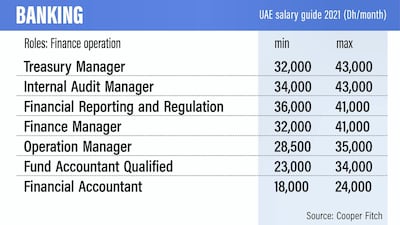
UAE Salary Guide 2021 -
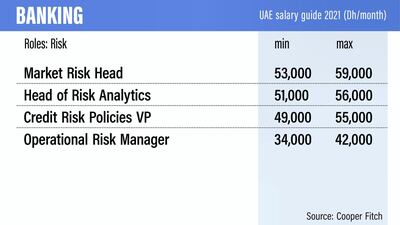
Banking -
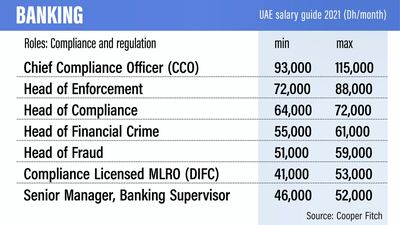
Banking -
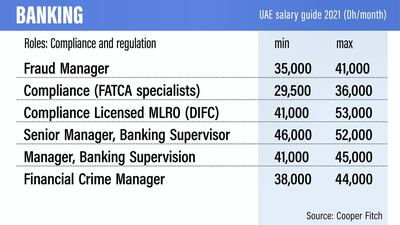
Banking -
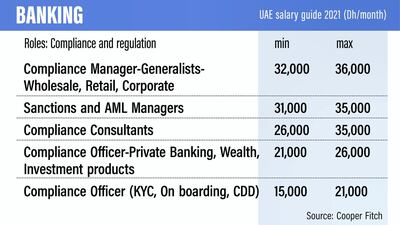
Banking -
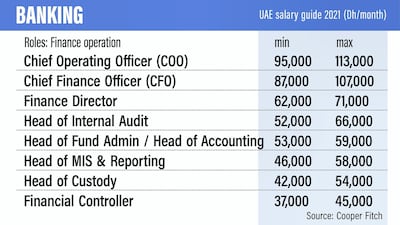
Banking -
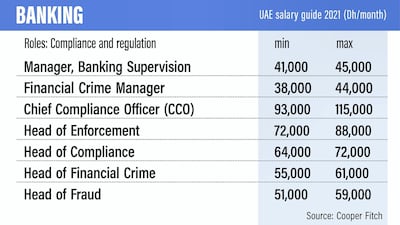
Banking -
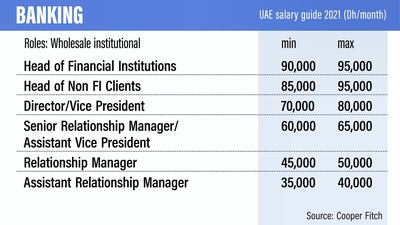
Banking -
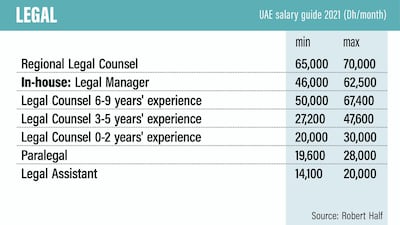
Legal -
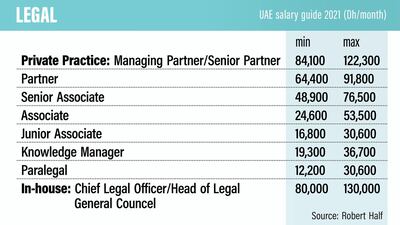
Legal -
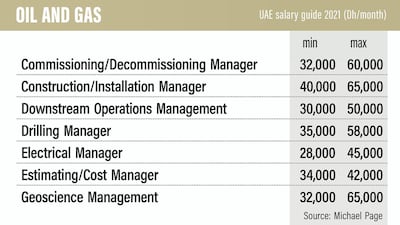
Oil and Gas -
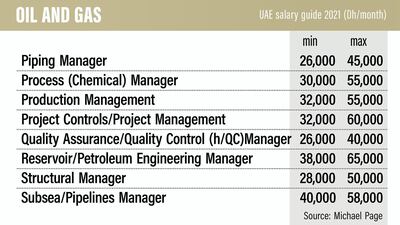
Oil and Gas -
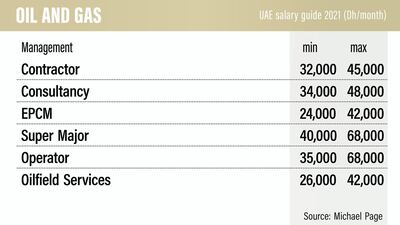
Oil and Gas -
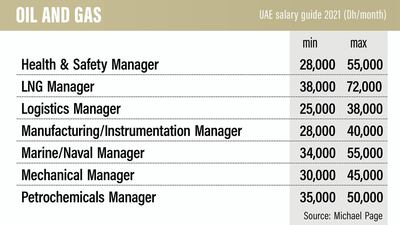
Oil and Gas -
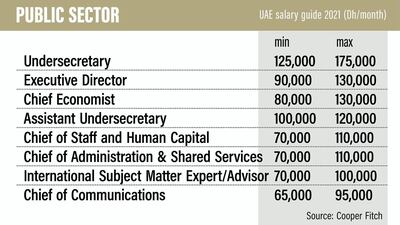
Public sector -
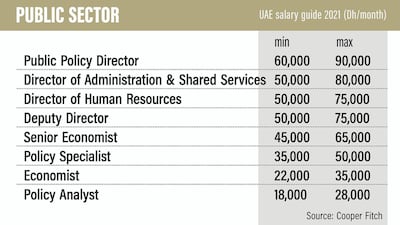
Public sector -
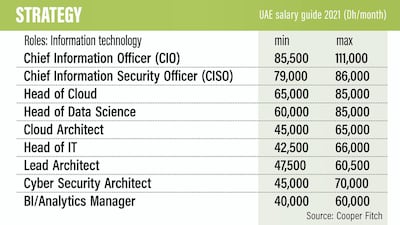
Strategy -

Strategy -
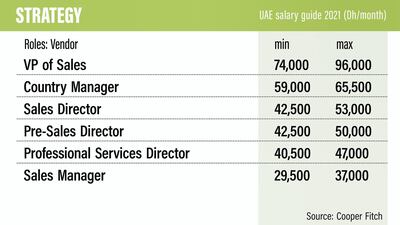
Strategy -
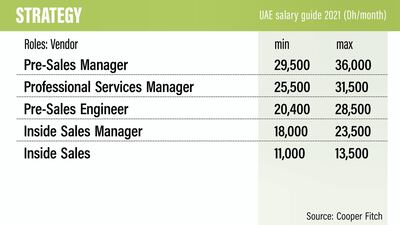
Strategy -
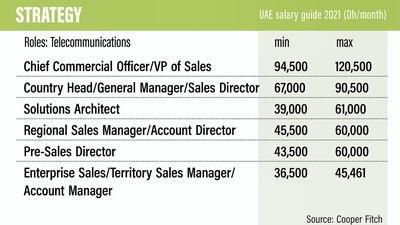
Strategy -
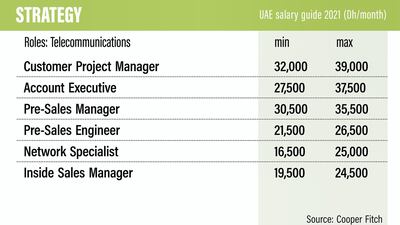
Strategy -
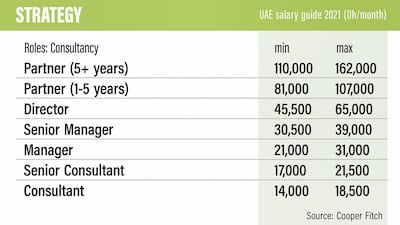
Strategy -
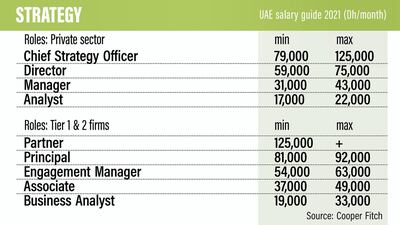
Strategy -
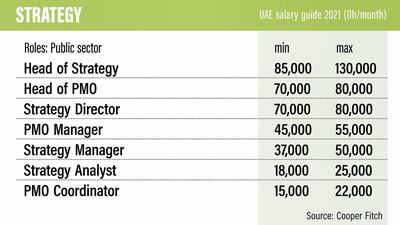
Strategy -
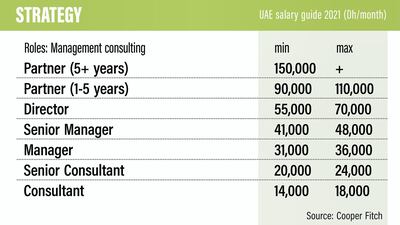
Strategy -
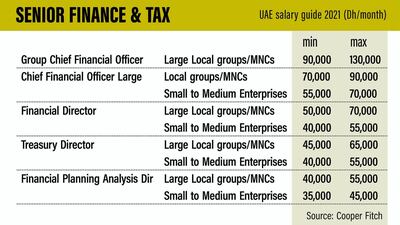
Senior finance and tax -

Senior finance and tax -

Senior finance and tax -
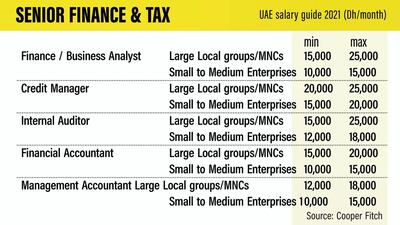
Senior finance and tax -
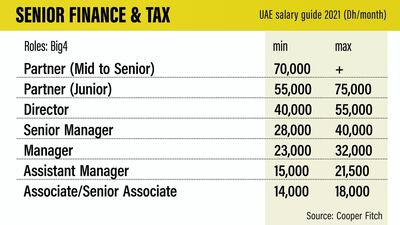
Senior finance and tax -

Senior finance and tax -
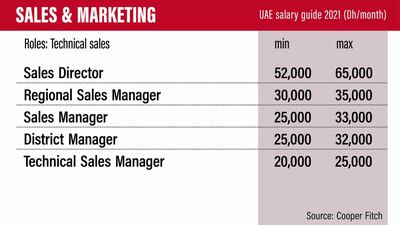
Sales and marketing -
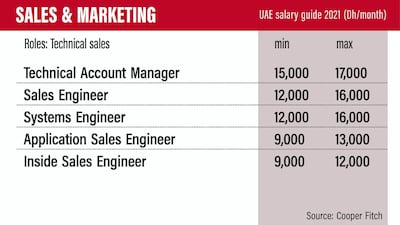
Sales and marketing -
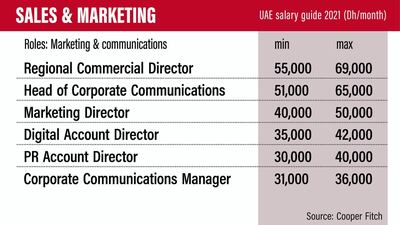
Sales and marketing -
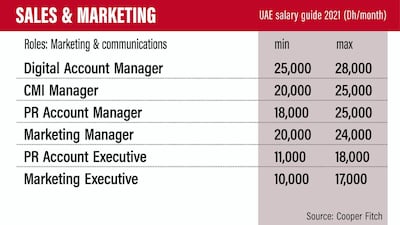
Sales and marketing -
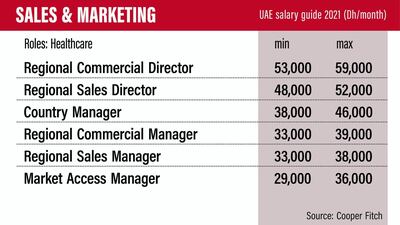
Sales and marketing -
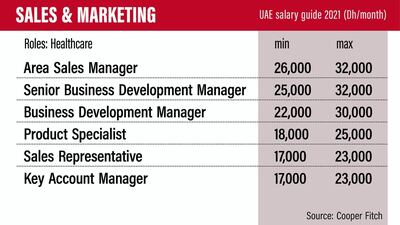
Sales and marketing -
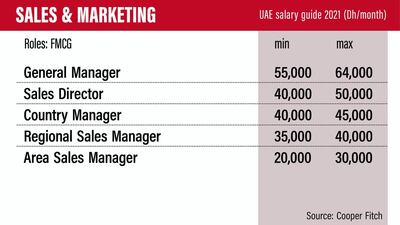
Sales and marketing -
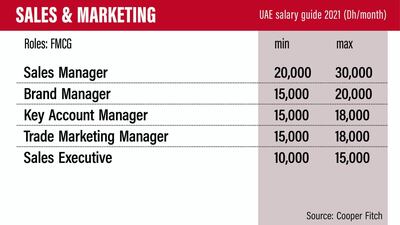
Sales and marketing -
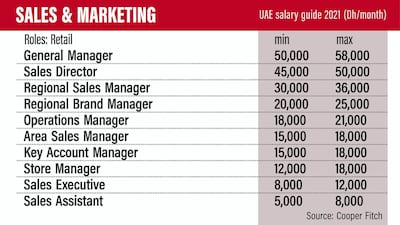
Sales and marketing -
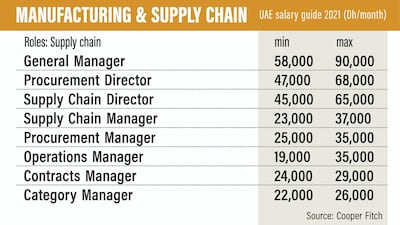
Manufacturing -
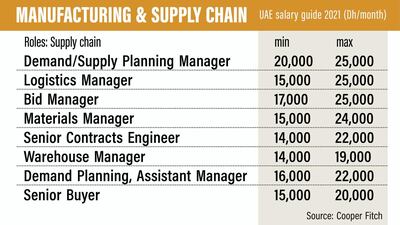
Manufacturing -
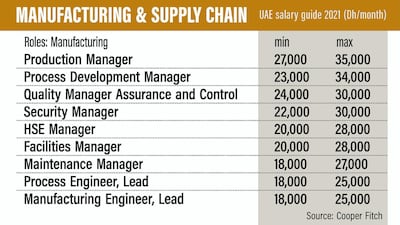
Manufacturing -
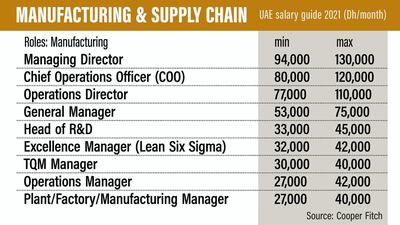
Manufacturing -
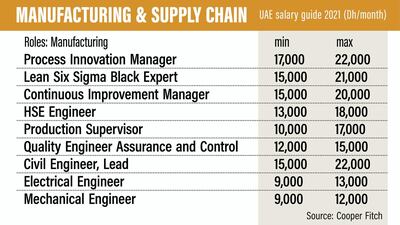
Manufacturing -
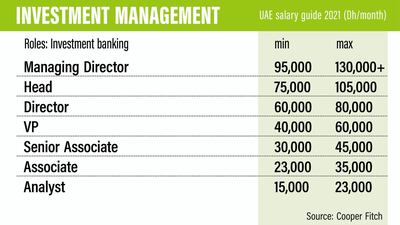
Investment management -
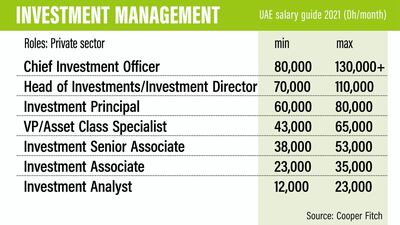
Investment management -

Investment management -
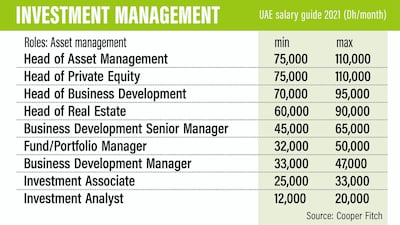
Investment management -
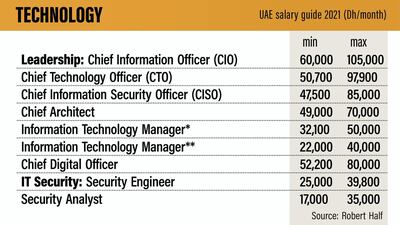
Technology -
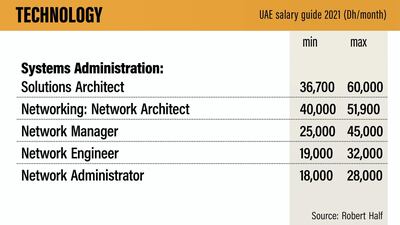
Technology -
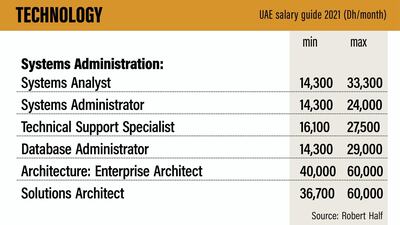
Technology -
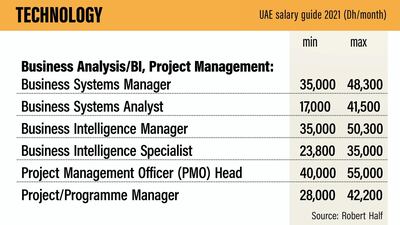
Technology -
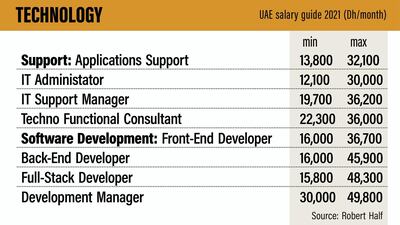
Technology -
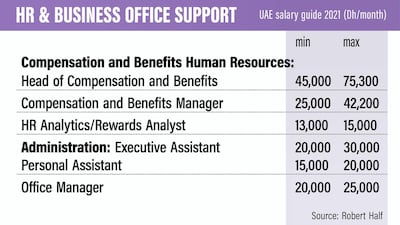
HR and office support -
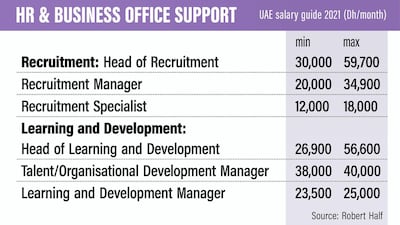
HR and office support -
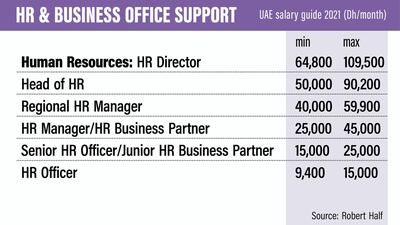
HR and office support -
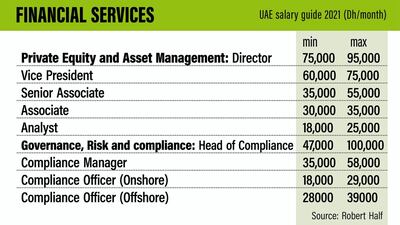
Financial services -
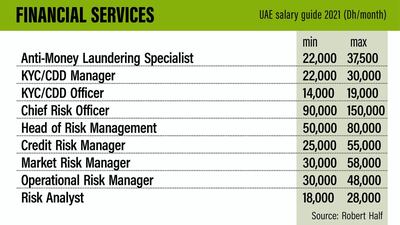
Financial services -
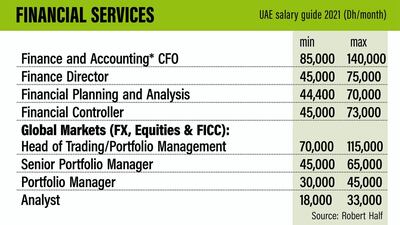
Financial services -
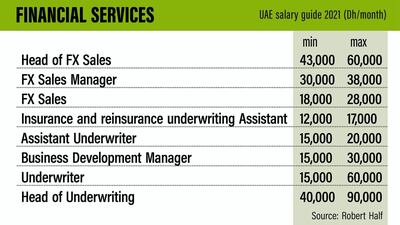
Financial services -
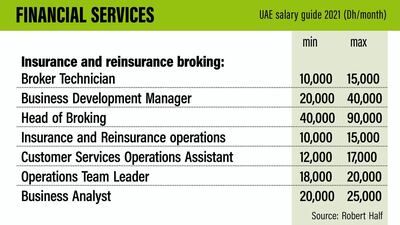
Financial services -
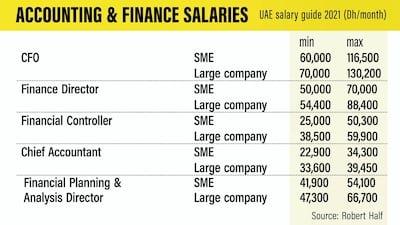
Accounting -
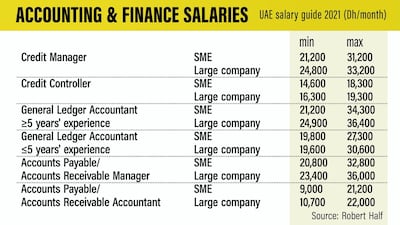
Accounting -
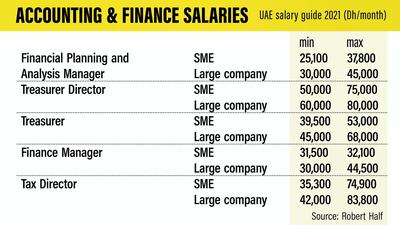
Accounting -
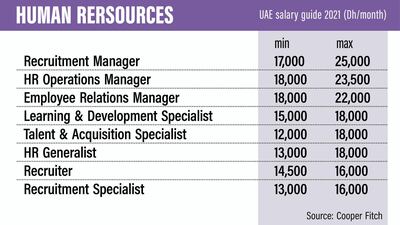
Human Resources -
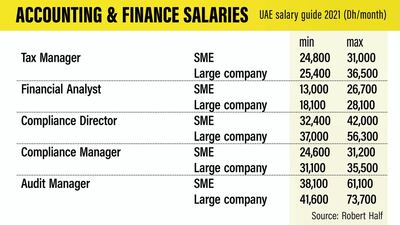
Accounting and finance salaries -
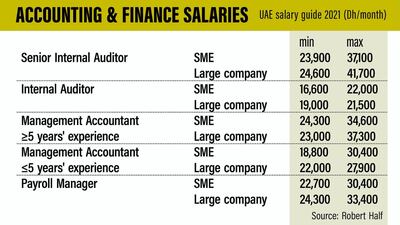
Accounting and finance salaries -

Property and construction -
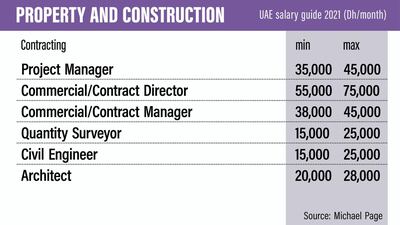
Property and construction -
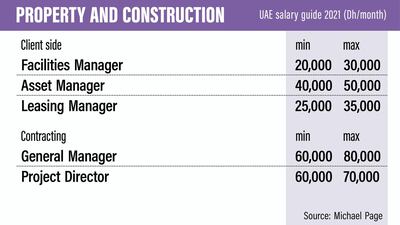
Property and construction -
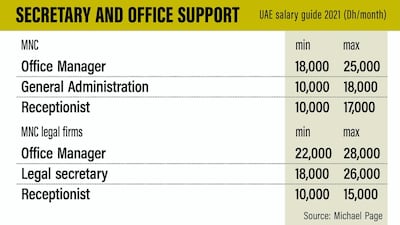
Secretary and office support -
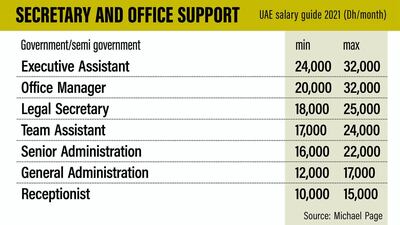
Secretary and office support -
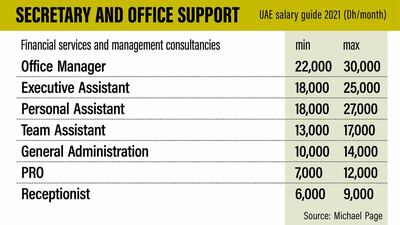
Secretary and office support -
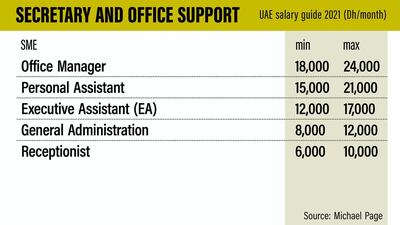
Secretary and office support -
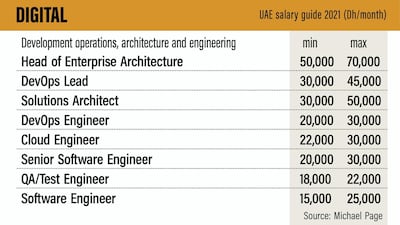
Digital -
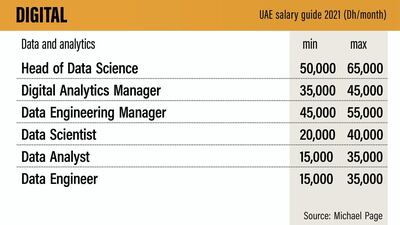
Digital -
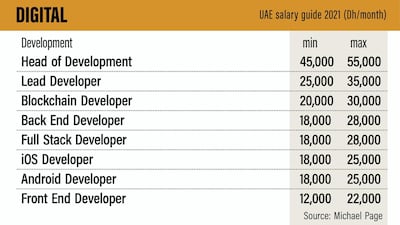
Digital -
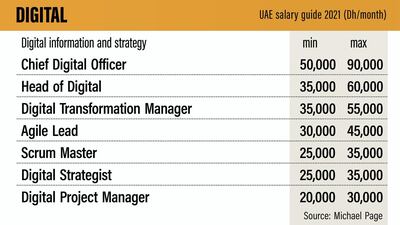
Digital -
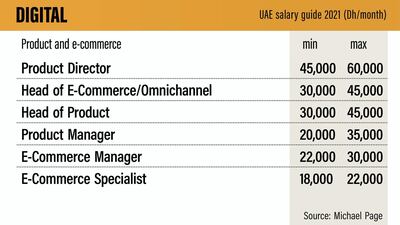
Digital -

Digital -
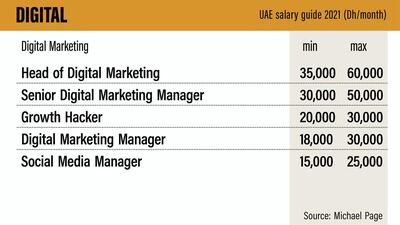
Digital -
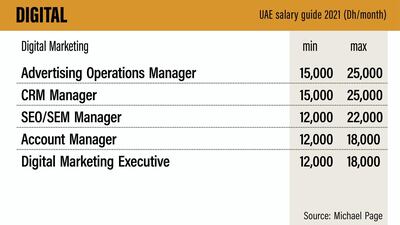
Digital



