

Latest: Top 10 jobs in UAE that will be in demand in 2021
Half of Emirati students expect a starting salary of Dh15,000 to Dh30,000 a month, a study has revealed.
The survey showed that 20 per cent of expatriate students expect the same, while 58 per cent aim for a starting salary of up to Dh7,500 a month.
The findings were revealed in the wide-ranging What About Youth? survey of about 11,000 students at 16 universities in Dubai’s Academic City, including Heriot-Watt, Middlesex and Wollongong.
Of those polled, 52 per cent were Emirati, 31 per cent were from Saudi Arabia and 17 per cent were UAE residents from other countries. All those polled were studying in the Emirates.
The survey also laid bare how poorly third-level institutions were preparing students for the real world.
Only three per cent of respondents said they had received formal careers guidance.
More than 60 per cent said they depended on family and friends for advice, while 17 per cent said they relied on teaching staff.
At least 70 per cent want more guidance while at college, while half said they would not study at the same college again.
Experts said shortcomings in higher education were contributing towards graduates’ unrealistic expectations upon entering the workforce.
“Universities need to really ramp up the role of career counsellors,” said Marketa Simkova, from KPMG, which ran the survey with Dubai International Academic City, and the Talent Enterprise, a psychometric testing firm.
“If you look at well-established universities in the Europe or the United States, the role of the career counsellor is paramount,” she said.
“Universities need to get employers on campus and tell students what it’s like to join the workforce as this will help students understand the gap.”
The survey was carried out in several phases starting in 2018 and finishing in early 2020. A follow-up study is under way to gauge how the Covid-19 pandemic has affected young people.
About 43 per cent of respondents were women.
Central to the survey was this lack of proper career guidance. At least 40 per cent reported they had never taken career assessments and only 56 per cent had a clear plan of what they would do after graduation.
But about 84 per cent students said they felt hopeful for the future.
___________________________
Our guide to 14 sectors and the salaries on offer
-

TEACHER/LECTURER: The average salary in UAE is Dh9,000 with lows of Dh4,000 and highs of Dh21,000. Headteachers earn an average of Dh46,000 with highs of Dh75,000. University staff are typically well paid, with assistant professors and full lecturers earning between Dh20,000 and Dh40,000. AFP -
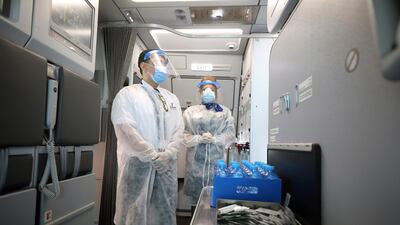
FLIGHT CREW: Salaries for cabin crew and aircraft technicians range from Dh6,000 to Dh23,000. Pilots can usually secure between Dh20,000 to Dh60,000, depending on experience. EPA -
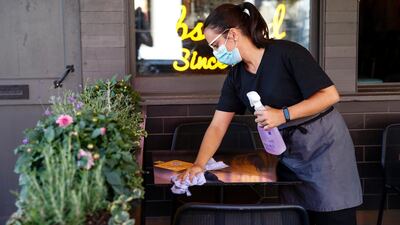
FOOD AND DRINK: The average salary for a bartender, waiter or supervisor is Dh4,000 to Dh5,000, rising to Dh7,500 to Dh8,500 for managers. Chefs and head chefs can expect to take home between Dh6,000 to Dh38,000. Hotels often provide staff accommodation. Hollie Adams / Getty Images -

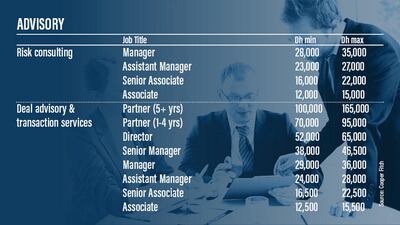
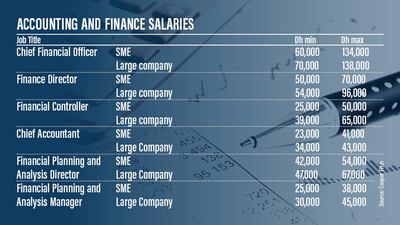
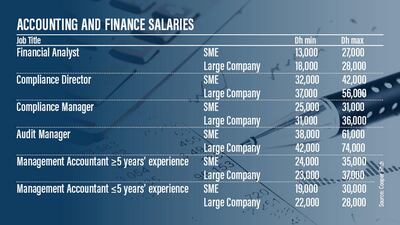
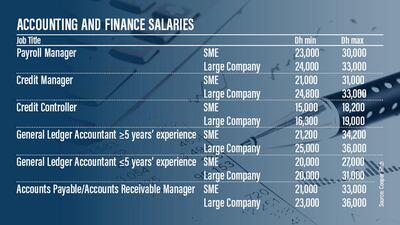
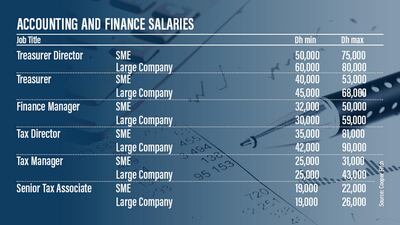
ACCOUNTING AND AUDITING: A flooded market with basic accountants often earning Dh5,000 to Dh10,000. Senior auditors can earn Dh30,000 or more. Accountants who move into finance and management can expect significantly higher salaries. Getty Images -
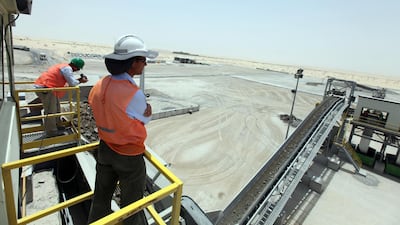
CONSTRUCTION: Engineering jobs have been hit hard by a downturn in the sector, but it remains a skilled and respected profession. Junior salaries for site inspectors and engineers begin at a few thousand dirhams, rising to Dh45,000 or more for construction managers. Gulf Talent says salaries in Saudi are higher than the UAE in some roles. Sammy Dallal / The National -
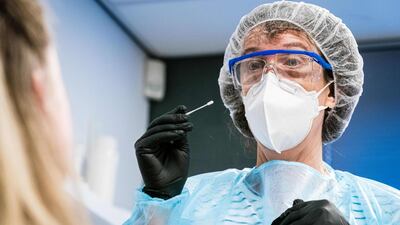
NURSES: The true heroes of the pandemic, these professionals worked around the clock to treat patients and save lives. Salaries range between Dh4,000 to Dh14,500 and can be higher for senior nurses in higher-end private hospitals. AFP -
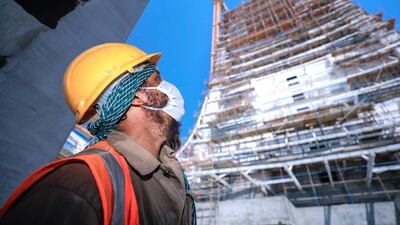
HEALTH AND SAFETY: Health and safety has become a key priority. Junior roles in this sector can take home, on average, about Dh5,500 a month. That rises to Dh22,500 for managerial positions. Victor Besa / The National -
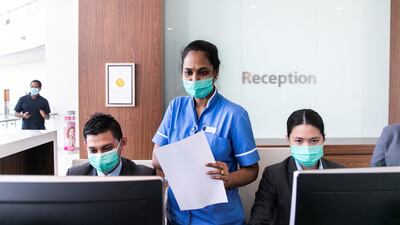
HOSPITAL ADMINISTRATOR: Non-medical staff are currently in demand as the role of managing patients, their documents, payment and test results is increasingly crucial. Salaries vary but can be in the same region as nurses. Reem Mohammed / The National -

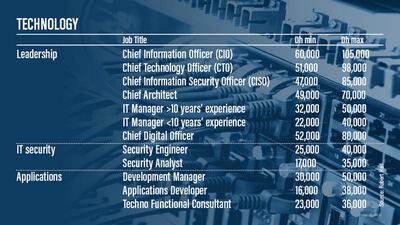
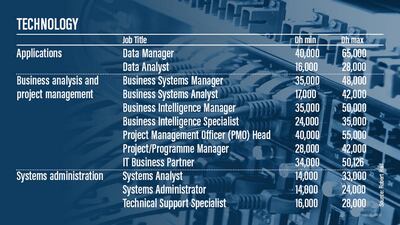
CYBERSECURITY: The threat posed by cybercrime has never been more real, with the sale of financial assets, documents and medical records a lucrative business. Systems analysts and software engineers can earn Dh25,000 or more, rising significantly for those with high-end cybersecurity experience. Unsplash -

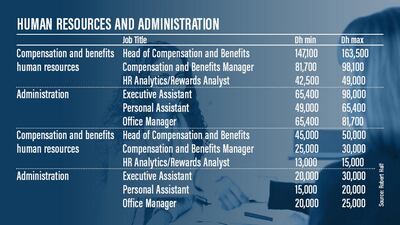
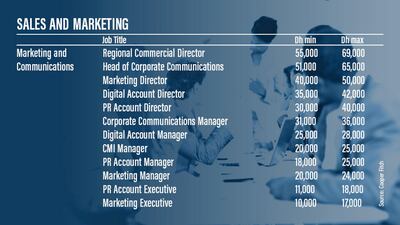
HR, MARKETING AND FINANCE: Senior roles in these managerial classes vary significantly, but are generally well paid and often come with performance-related bonuses. Gulf Talent lists HR manager and HR business partner salaries at up to Dh42,500. An HR director of a major firm can earn twice that. Getty Images -

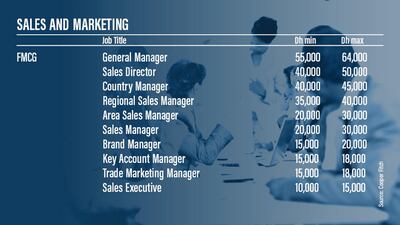
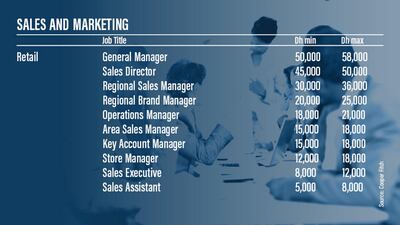
SALES AND MERCHANDISING: As the economy slowly picks up, the retail sector will be looking to fill key roles again soon. Gulf Talent lists sales staff salaries from Dh1,500 to Dh3,500. A sales merchandiser can take home twice that each month. Paulo Vecina / The National -
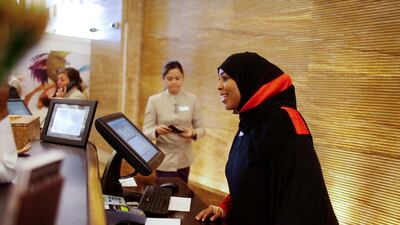
HOTELS: A duty manager at a hotel can earn anywhere from Dh6,000 to Dh26,000 per month. Front of house staff, including concierge, can take take home between Dh1,500 to Dh9,000. Staff accommodation is typically provided. Sarah Dea / The National -

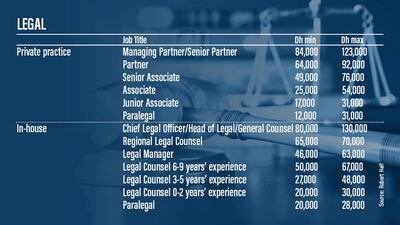
LEGAL: Lawyers and legal advisors can earn between Dh7,500 to Dh37,500. That rises to more than Dh53,000 for legal counsel positions, though the average sits at about Dh20,500. Jeff Topping / The National -

OFFICE ADMINISTRATION: Jobseekers for secretarial and receptionist roles can expect salaries ranging from Dh2,500 to Dh8,000. Personal assistants and office managers fare better, from Dh4,500 up to Dh22,500 for higher-end firms. Getty Images


___________________________
“Despite the Covid-19 pandemic, youth nurture optimism about the future,” she said.
“The research suggests that students demand more career guidance, and employers can certainly play a role here.”
Ms Simkova said employers could participate in university mentorship initiatives and graduate programmes that could help them tap into available talent pools early on.
Radhika Punshi, managing director of the Talent Enterprise, said there was a disconnect between employer, educator and student.
Schools needed to work with universities to help young people make informed career choices, she said.
“When you speak with employers they say youth are not ready and don’t have the skills,” said Ms Punshi.
“Students in general have high expectations and they don’t have experience around what work would look like. Their expectations are a bit naive,” she said.
“We often hear students say ‘I have learnt in a two-month long internship what I learnt in one year at university’.”
The most popular areas of study for young people pursuing bachelor’s or master’s degrees were business and management. But the survey also found that 21 per cent students were interested in science-based careers such as engineering, technology, robotics and artificial intelligence, suggesting the UAE’s space programme was having an impact on choices.
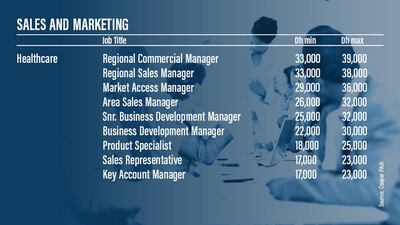
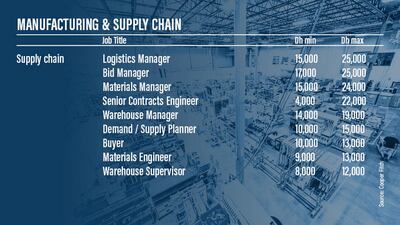
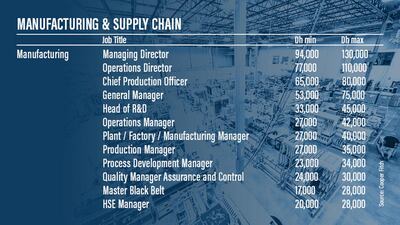
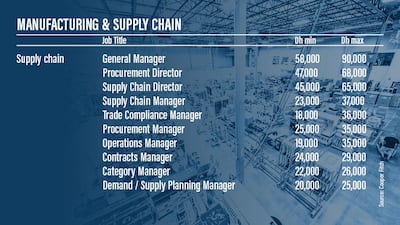
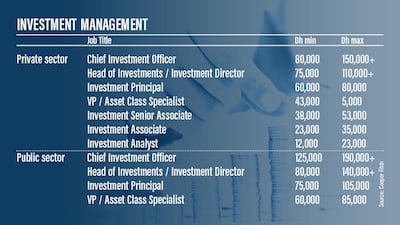
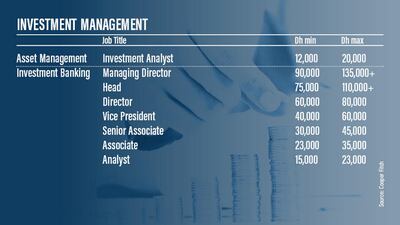
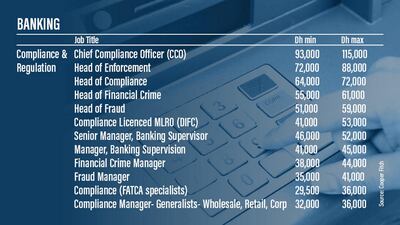
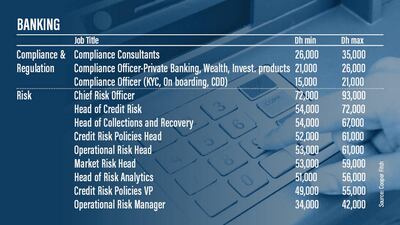
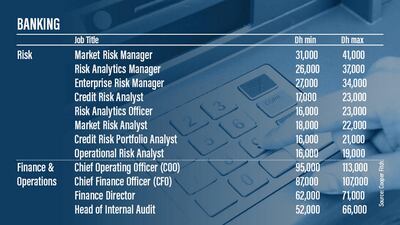
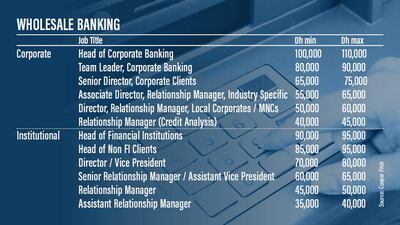
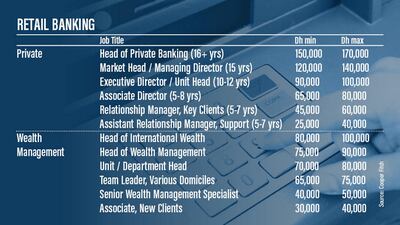
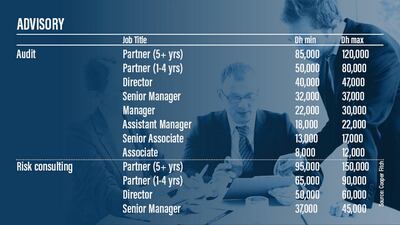
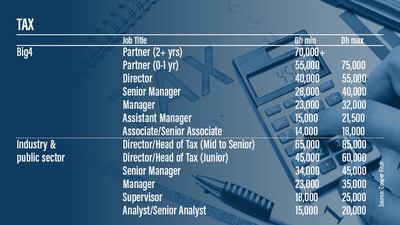
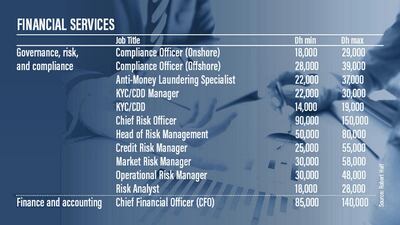
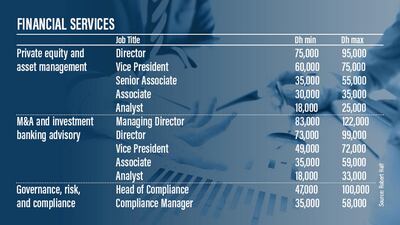
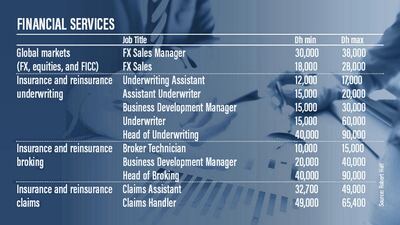
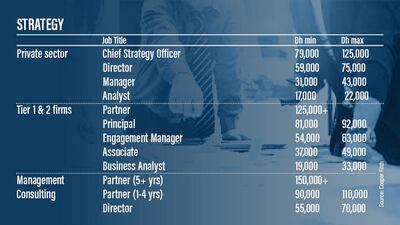
Salary guide 2020: What you could expect to earn before the pandemic
-

The National -

The National -

The National -
The National -
The National -
The National -

The National -
The National -
The National -
The National -
The National -
The National -

The National -
The National -
The National -

The National -
The National -

The National -
The National -
The National -
The National -
The National -
The National -
The National -
The National -
The National -
The National -
The National -
The National -
The National -
The National. -
The National -

The National -
The National -
The National -

The National -

The National -
The National -

The National -
The National



