
Over the course of 11 days, following Lionel Messi's shock announcement on August 25 that he intended to leave Barcelona, the club he had been with for 20 years, world football shook with anticipation of what would happen. By September 4, he had accepted – albeit unhappily – that he must stay in the face of the Spanish club's refusal to sanction his exit unless €700 million ($823m) was paid to them, as stipulated in his contract. It seemed that the drama was over before it had a chance to get properly going. However, that was probably only the first act.
Messi is arguably the most talented and successful of all who have played the game. That he was ready for a fresh challenge and a new home is not in itself remarkable. Players move clubs all the time. But in Messi's case, he had become synonymous with Barcelona, where he has been since he was an under-sized 13-year-old, winning 33 trophies along the way.
The Argentine star could still leave Barcelona, possibly before October when the transfer window in England shuts, or in January when it re-opens, or almost certainly in June when his current contract expires. Expect more noise and fireworks before his future is finally settled, because the bigger picture is a swirling landscape of change throughout European football, spurred by the impact of Covid-19.
-

Barcelona' forward Lionel Messi waves as he leaves his home for the Joan Gamper Ciutat Esportiva in Sant Joan Despi. AFP -
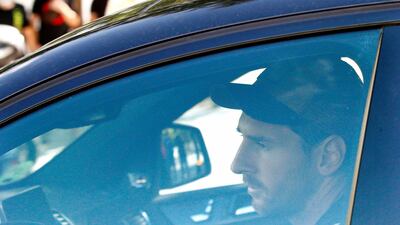
Lionel Messi arrives in Sant Joan Despi. EPA -
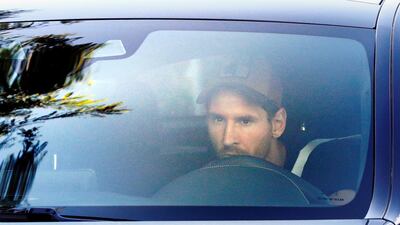
Lionel Messi reports for training. EPA -
Lionel Messi arrives at Barcelona's training ground. Reuters -
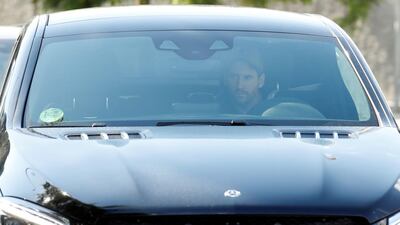
Barcelona's Lionel Messi as he arrives for training. Reuters -
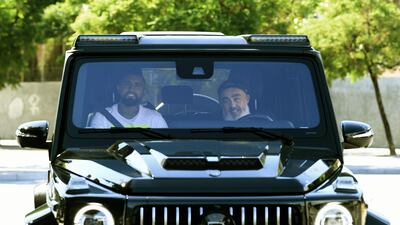
Barcelona's Chilean midfielder Arturo Vidal, left, arrives at the Joan Gamper Ciutat Esportiva in Sant Joan Despi. AFP -
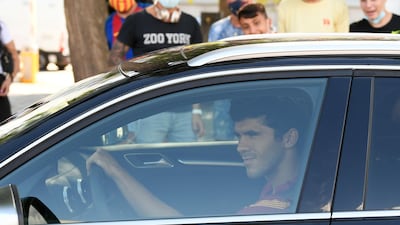
Barcelona's Spanish midfielder Carles Alena. AFP -

Barcelona's Brazilian midfielder Philippe Coutinho arrives. AFP -
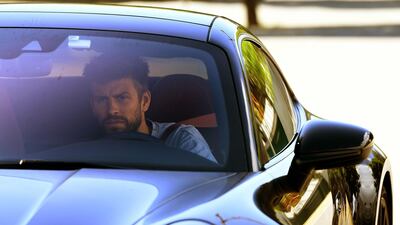
Barcelona's Spanish defender Gerard Pique arrives for training. AFP -

Barcelona's Uruguayan forward Luis Suarez. AFP -
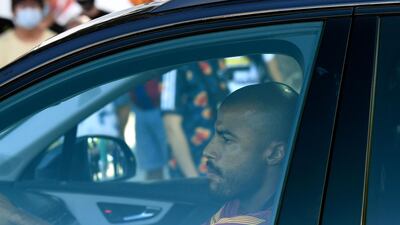
Barcelona's Spanish midfielder Rafinha arrives at the Joan Gamper Ciutat Esportiva in Sant Joan Despi. AFP -

Barcelona's Spanish defender Gerard Pique arrives. AFP -

Barcelona's Uruguayan defender Ronald Araujo. AFP -
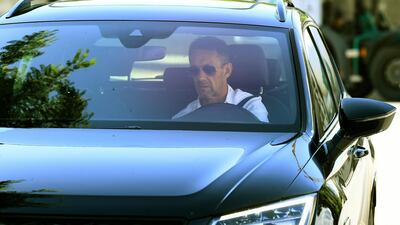
Barcelona's sporting director Ramon Planes arrives. AFP


The economic pain felt by clubs, when from March no matches were played until the season resumed in June, was very real. Most elite clubs across the top leagues in England, Spain, Germany, Italy and France are now facing new realities on the eve of the 2020/21 season.
For the foreseeable future they cannot expect fans to be back in stadiums at the attendance levels they achieved before the outbreak, thereby reducing gate receipts. Sponsors around the globe are being forced to address their own financial priorities, putting pressure on teams' commercial revenues.
Trends that had begun to emerge in recent years have been accelerated – like so many other things – by the pandemic. Most significantly the value of television broadcasting rights is likely to have plateaued and may even be about to decline.
The English Premier League, the richest of them all, has just cancelled its China TV deal after missed payments. This could trigger a legal battle, hindering the league's ability to secure a new broadcast partner. Even before the crisis, there were signs that the inflation game that football clubs have been playing for two decades may have run its course.
Domestic broadcasters had already been unwilling to pay more for Premier League football even as international TV rights continued to rise in value. The Premier League's China decision is a watershed. The country was set to be a big driver of future growth for football. It may still be but it won’t be as smooth a ride as expected.
Global accountants and consultants Deloitte have called football “recession proof”.
“The live and unscripted drama of football coupled with sport’s ability to bring people together in a positive manner has created a seemingly largely recession-proof industry that has performed well in both bull and bear markets,” it said in its analysis of the 2018/19 season, when the top 20 clubs earned €9.3 billion in revenue.
-
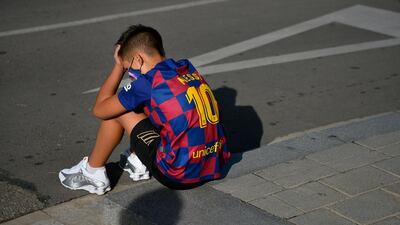
A boy sporting a Lionel Messi's shirt sits on the pavement outside the Barcelona's Ciutat Esportiva Joan Gamper in Sant Joan Despi waiting for the arrival of players to undergo a medical test for Covid-19. AFP -
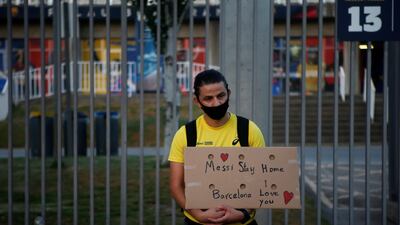
A Barcelona supporter holds a placard in support of Argentinian star Lionel Messi during a march against the club's board. EPA -

A Barcelona fan sitting on the sidewalk during a protest outside the Camp Nou. Reuters -
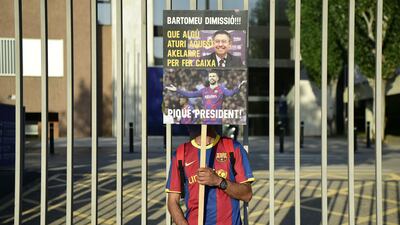
A Barcelona fan holds a placard calling for the resignation of club president Josep Maria Bartomeu. AFP -
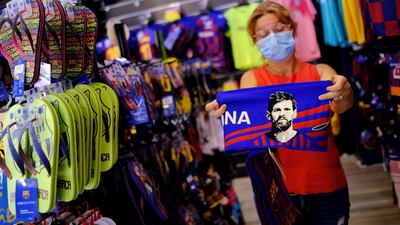
A woman poses with Lionel Messi merchandise after the new broke about his potential departure. Reuters -
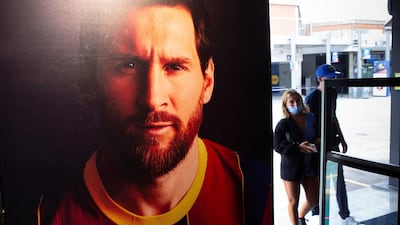
A picture of Messi on display at the Spanish La Liga soccer club's museum. EPA -
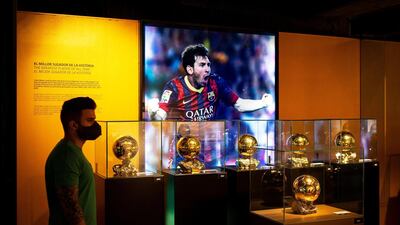
A picture of Lionel Messi on display at the club's museum in Barcelona. EPA -
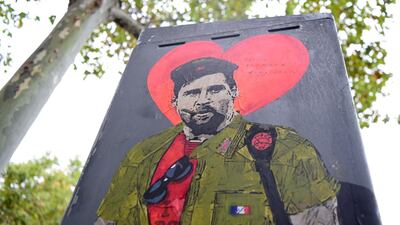
A new artwork by street artist TVBoy depicting Lionel Messi entitled "Hasta Siempre Comandante" (Until Forever, Commander) in Barcelona. AFP -
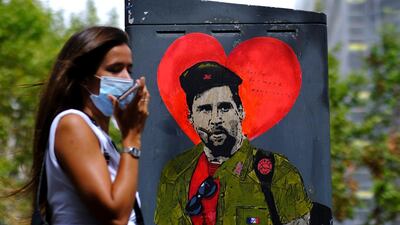
A woman wearing a protective face mask walks past a mural of Lionel Messi. Reuters -

Barcelona's French forward Antoine Griezmann arrives for his Covid test. AFP -

A Barcelona fan is escorted out of the Camp Nou stadium premises. AFP -

A woman takes a selfie with a mural of Lionel Messi dressed as Che Guevara. Reuters -
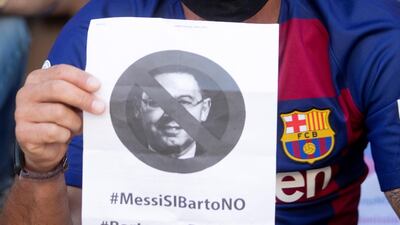
Fans protest at Camp Nou stadium in Barcelona against club president Josep Maria Bartomeu. EPA -
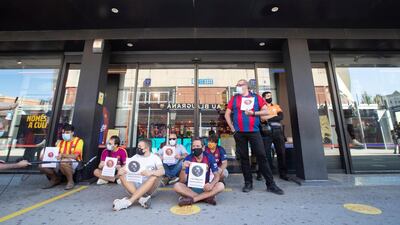
Protests at Camp Nou against Barcelona's president Josep Maria Bartomeu. EPA -

Protest at Camp Nou. EPA -
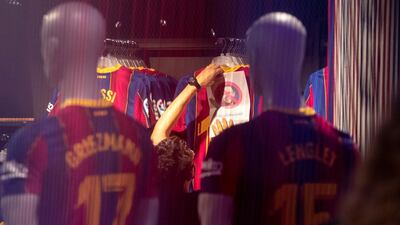
A protester places a banner on a t-shirt at the Barcelona club shop. EPA -
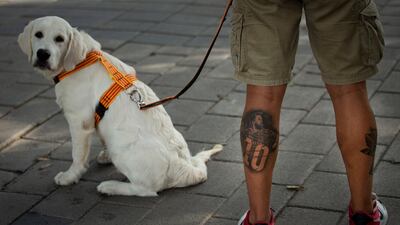
A tattoo of Lionel Messi on the leg of a Barcelona fan as he waits to see players arriving for coronavirus tests. EPA -
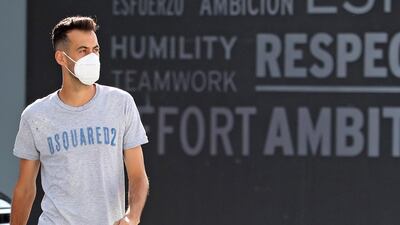
Spanish midfielder Sergio Busquets arrives for his Covid-19 test. EPA -
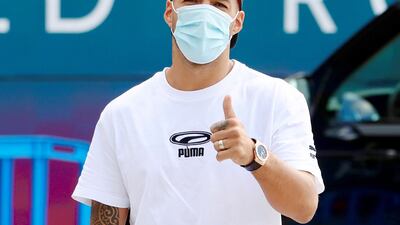
Uruguayan striker Luis Suarez, Messi's closest friend at Barcelona, arrives for his test. EPA


This has been broadly true during the 2007-08 global financial crisis and other economic downturns. This time, however, it doesn’t seem like football will escape the impact of external factors. It is likely to be a tough season off the pitch, and one filled with uncertainty.
Meanwhile, Messi looms large. Why? Because he offers opportunity instead of fear for any club that he might join after leaving Barcelona.
Once football did get going again in the summer, TV audience figures were actually higher – up 48 per cent on average for Spanish games, according to Reuters – as more people stayed home. With coronavirus-related restrictions staying in place for some time, television will become even more important for football, and the most popular clubs will benefit more than those with lower profiles.
It is the few star players, such as Messi, who will make the difference in a fast-changing media landscape. Deloitte says that “increasingly some fans may have more allegiance to an individual player rather than a club because they can connect with the player directly”.
-

10 - Cristiano Ronaldo's treble against Luxembourg in 2022 World Cup qualifying on October 12, 2021 saw him become the first player to net 10 international hat-tricks. Getty Images -
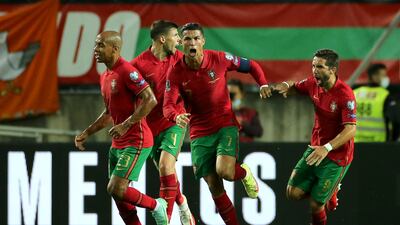
111 - Cristiano Ronaldo's two last-gasp headers in a 2022 World Cup qualifier against Republic of Ireland on September 1, 2021 made him the highest scoring player in international football, surpassing Ali Daei's previous mark of 109. Reuters -
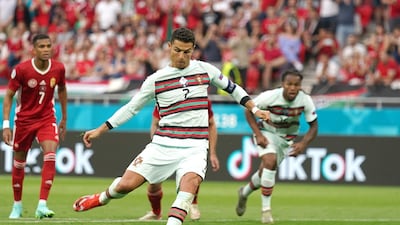
11 - Cristiano Ronaldo's two goals in a 3-0 win over Hungary in their opening match of Euro 2020 saw him surpass Michel Platini's record of nine at the continental championship. EPA -
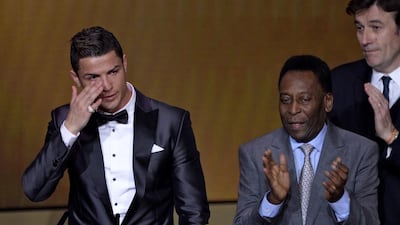
770 - Cristiano Ronaldo's hat-trick in Juventus' 3-1 win over Cagliari on Sunday, March 14 saw him surpass Pele's official record tally of goals for both club and country. AFP -
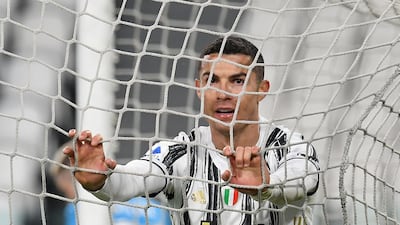
12 - Cristiano Ronaldo's goal in a 3-0 Serie A win over Spezia on March 2, 2021 saw the Portuguese striker become the first player to score 20 league goals in 12 consecutive seasons across Europe's top five league. AFP -

760 - Cristiano Ronaldo was hailed as the most prolific goalscorer in history on Wednesday after scoring his 760th senior goal to help Juventus beat Napoli 2-0 in the Italian Supercup final. AFP -
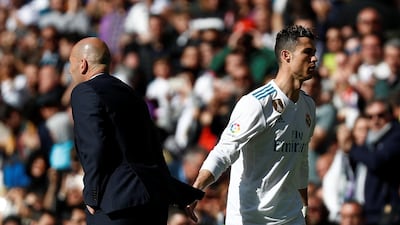
200 - Fastest Real Madrid player to reach 200 official goals. Reuters -
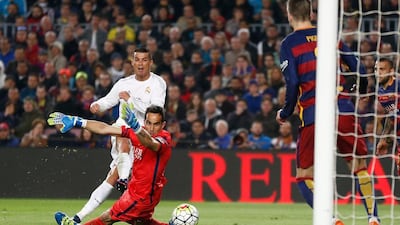
150 - Fastest La Liga player to score 150 league goals (140 matches). AP -
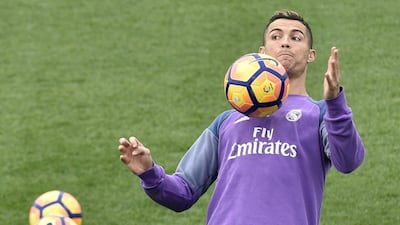
Cristiano Ronaldo is ranked by ESPN as the most famous sportsman in the world and is the most followed individual on both Facebook and Instagram.. AFP -
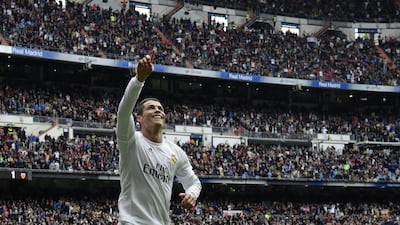
14 - Most goals scored in the UEFA Champions League semi-finals. AFP -
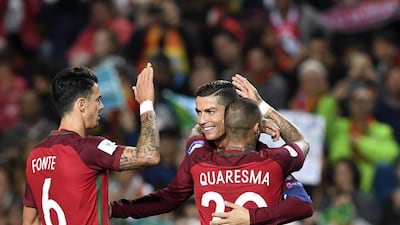
10 - First player to score in ten consecutive international tournaments (Portugal). AFP -
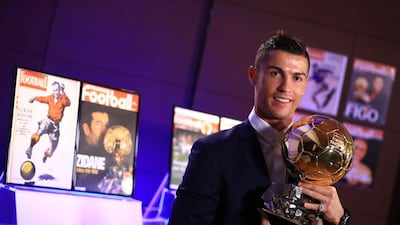
4 - Most UEFA Best Player in Europe Award and UEFA Club Footballer of the Year. AFP -
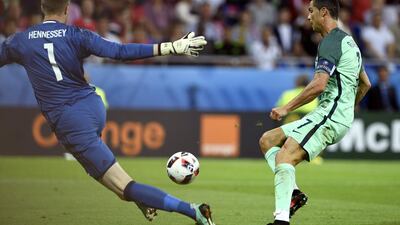
3 - First player to appear in three European Championship semi-finals: in 2004, 2012, and 2016. AFP -
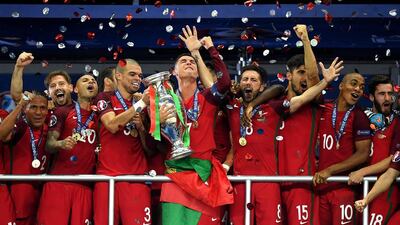
5 - Most headed goals at European Championship finals tournaments. Getty Images -
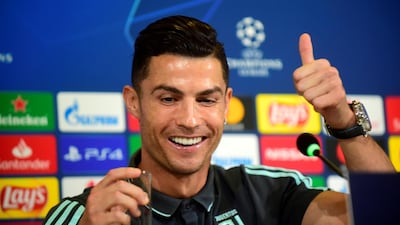
Oldest player to score a UEFA Champions League hat-trick: 34 years and 35 days. Reuters -
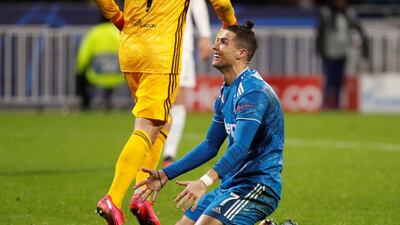
128 - Most goals scored in the UEFA Champions League. Reuters -
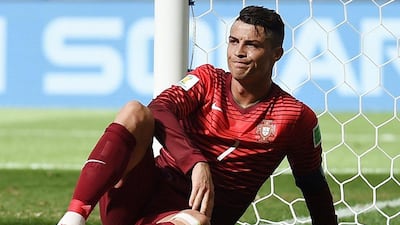
30 - Most goals scored in European World Cup Qualifiers. AFP -
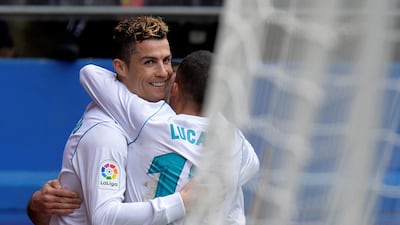
34 - Most hat-tricks in La Liga for Real Madrid. Reuters -
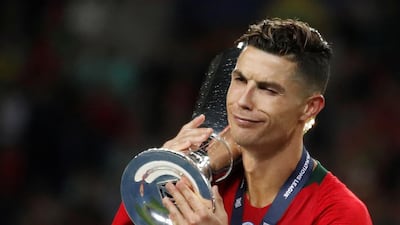
100 - Youngest Portuguese player to reach 100 caps: 27 years, 8 months and 11 days. Reuters -
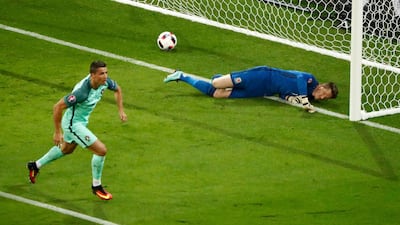
17 - Most matches played in World Cup finals for Portugal. AFP -
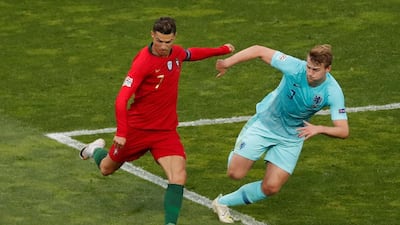
21 - Most matches played in European Championship finals for Portugal. Reuters -
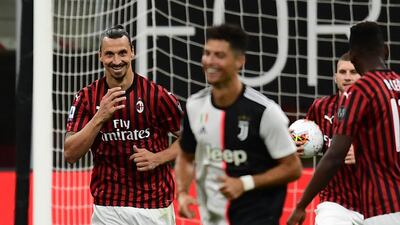
7 - First player to score in seven consecutive away matches in a debut Serie A season. AFP -
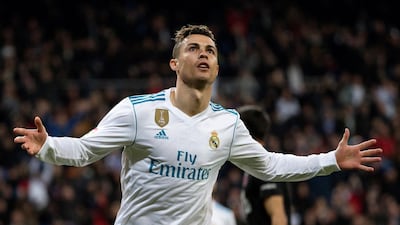
12 - Most goals scored from direct free kicks in UEFA Champions League history. EPA -
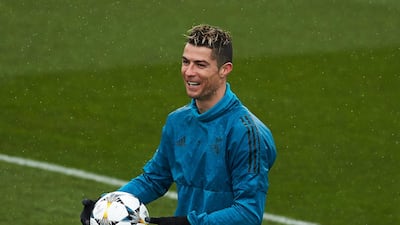
3 - First player to appear in the FIFPro World11 for two and three clubs. Getty -
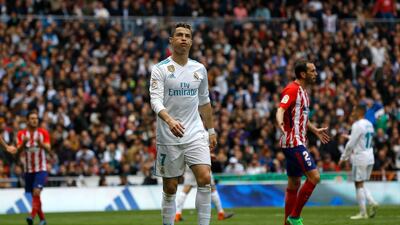
22 - Most goals scored in Madrid Derby matches. AFP -
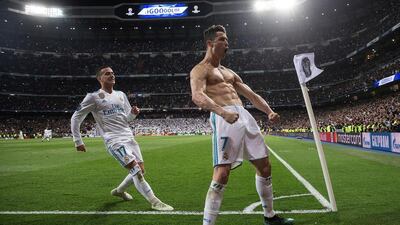
40 - Most assists in the UEFA Champions League. Reuters -
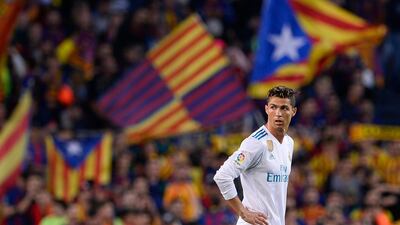
6 - First player to score in six consecutive Clásicos. AFP -
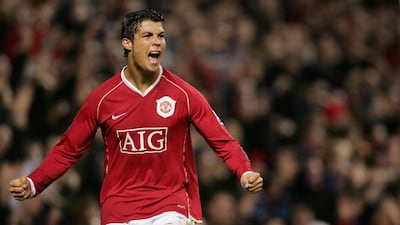
2 - First player to score for two winning teams in the UEFA Champions League/European Cup: Manchester United (2007–08) and Real Madrid (2013–14). Getty Images -
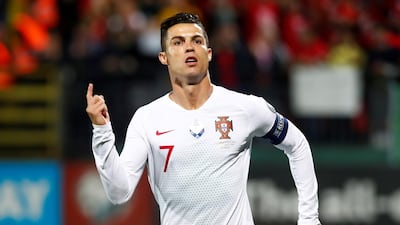
41 - Most different national teams scored against. Reuters -
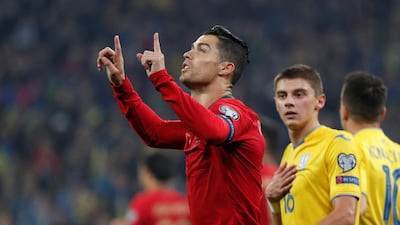
33 years, 310 days - Oldest player to score a hat-trick at a World Cup. Reuters -
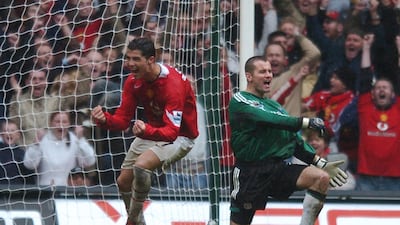
1 - First footballer to have won the European Golden Shoe in different leagues: English Premier League (2007–08) and Spanish La Liga (2010–11, 2013–14, 2014–15). Getty -

10 - Only player to score 10 goals against a single opponent (Juventus) in the UEFA Champions League. AFP -

6 - Only player to finish UEFA Champions League top scorer in six consecutive seasons: from 2012–13 to 2017–18. Reuters -
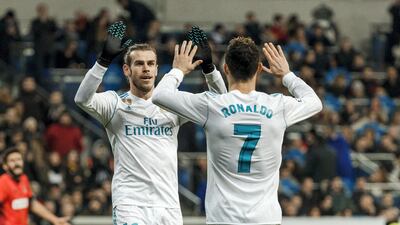
6 - Only player to score in all six group stage matches in the UEFA Champions League in a season. AFP -
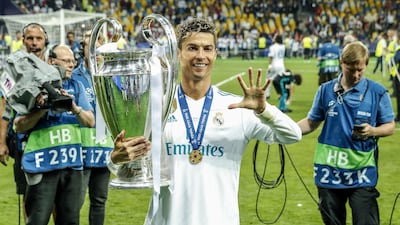
11 - Most consecutive UEFA Champions League matches scored in. Getty Images -
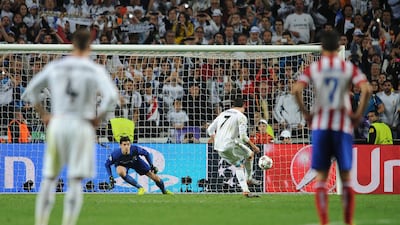
61 - Most goals scored from penalty kicks in La Liga history. Getty Images -
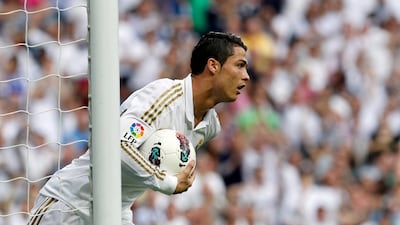
311- Real Madrid's top goalscorer in La Liga. Getty Images -
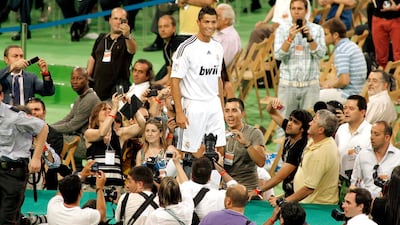
56 - Most goals scored in UEFA Champions League knockout phase. AFP -
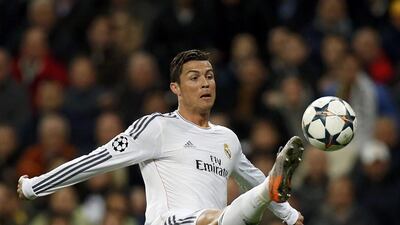
450 - Real Madrid all-time top goalscorer. AP Photo -
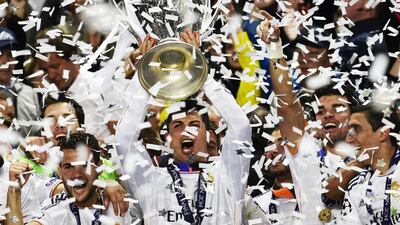
17 - Most goals scored in a UEFA Champions League/European Cup season (2013/14). Reuters -
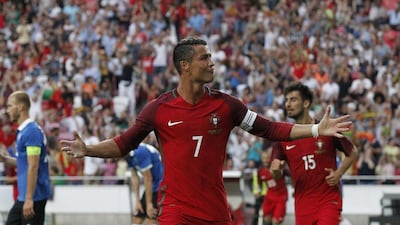
9 - Most hat-tricks scored for the Portugal national team. AP Photo -
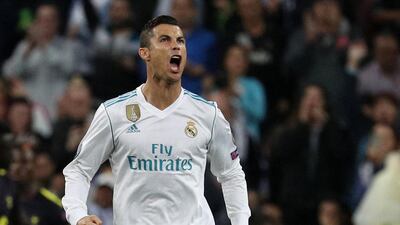
131 - Most goals scored in European competitions (club football). Reuters -
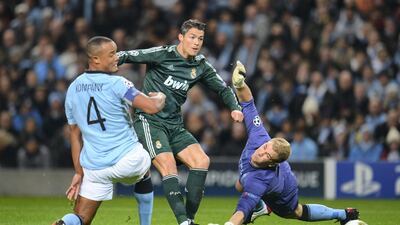
100 - First player to reach 100 career goals in the UEFA Champions League. Getty Images -

164 - Portugal's most capped player. Reuters -
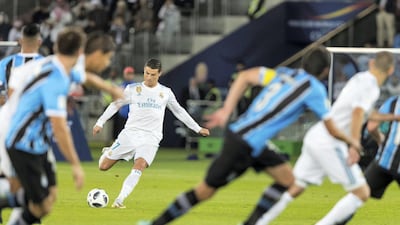
2 - First player to score in consecutive FIFA Club World Cup Finals (2016, 2017). Christopher Pike / The National -
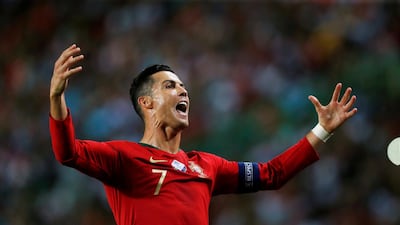
8 - Only player in the world who has scored in the 2004, 2008, 2012 and 2016 editions of the European Championship; and in the 2006, 2010, 2014 and 2018 editions of the World Cup -
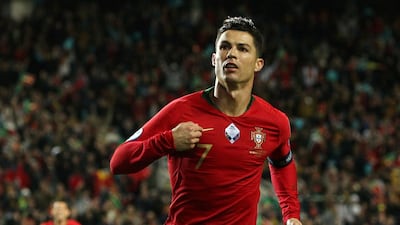
99 - Europe's all-time top international goalscorer. Reuters -
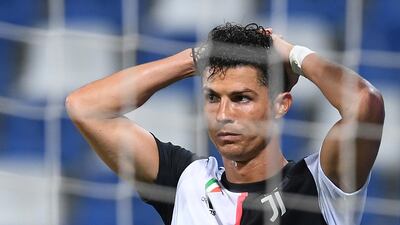
171 - Most goals scored in all UEFA competitions. Reuters -
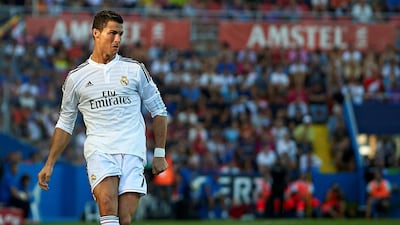
50 - Only player to score more than a half-century of goals in seven consecutive calendar years. Getty Images -

2- Only player to win the league title, domestic cup, domestic supercup, Champions League, Club World Cup, league player of the year, Golden Shoe and Ballon d'Or at two clubs (Manchester United and Real Madrid). Getty Images -
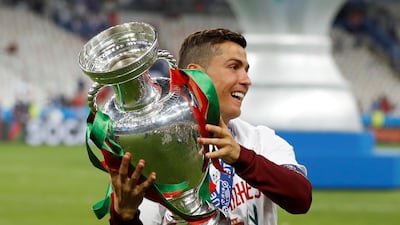
32- Most international goals in a calander year with Portugal (2017). AFP -
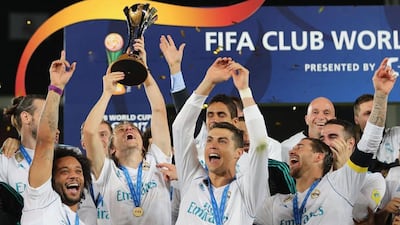
7 - Most goals in the history of the Fifa Club World Cup. AFP -
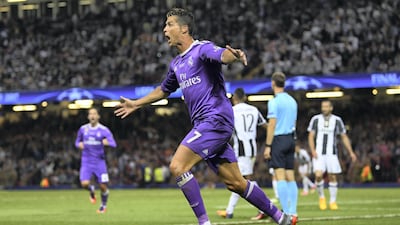
128 - Ronaldo is the UEFA Champions league all-time top goalscorer with 128 goals while Lionel Messi is second with 114 to his name. Getty Images -
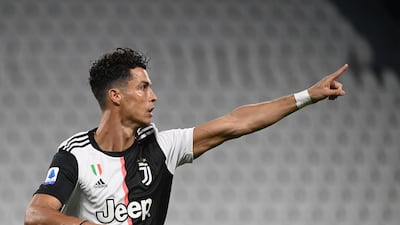
11 - Most consecutive Serie A matches scored in. AFP -
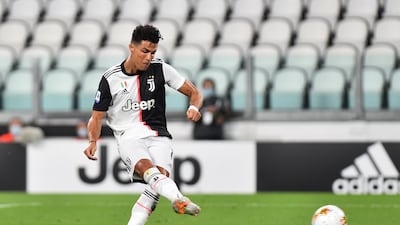
50 - Ronaldo's two goals for Juventus against Lazio saw him become the fastest player to reach 50 goals in Serie A, doing so in 61 games. Reuters -
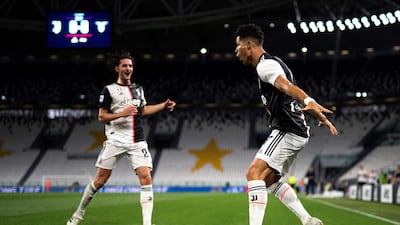
50 - With his brace against Lazio on Monday, Ronaldo became the first player to score 50 or more goals in Serie A, La Liga, and the Premier League. AFP


It has found that 75 per cent of the 20 richest clubs have fewer followers on their club Instagram account than their most followed players. Portuguese star Cristiano Ronaldo has, at 196m, almost six times the number of followers that his club, Juventus, has. At 140m, Messi has almost twice that of Barcelona. Sponsors and broadcasters understand this power, and they prize the popularity of these players above that of the clubs and leagues that they are a part of.
That is why Messi, as expensive as he would be for any club to sign, is in today's world actually worth more than people think he is – despite his age. At 33, most footballers are past their peak on the pitch, but perhaps not the greatest player of his generation.
And now that he has made it clear he is open to going elsewhere – and in terms that make it very hard for him to stay at Barcelona beyond next summer – expect a queue to emerge in the next few months. Top clubs will jostle for the chance to sign him, as they begin to realise how much harder their business is going to be from now. They will come to see that the economics of Messi make more sense than those of football itself.
Mustafa Alrawi is an assistant editor-in-chief at The National

