• Iranian President Hassan Rouhani, right, and the head of Atomic Energy Organization of Iran Ali Akbar Salehi inspect the nuclear technology on the occasion of Iran National Nuclear Technology Day in Tehran in 2019. EPA
    Iranian President Hassan Rouhani, right, and the head of Atomic Energy Organization of Iran Ali Akbar Salehi inspect the nuclear technology on the occasion of Iran National Nuclear Technology Day in Tehran in 2019. EPA
  • IR-8 centrifuges at Natanz nuclear power plant, some 300 kilometres south of capital Tehran. AFP
    IR-8 centrifuges at Natanz nuclear power plant, some 300 kilometres south of capital Tehran. AFP
  • The Iranian nuclear power plant in Bushehr in 2010. EPA
    The Iranian nuclear power plant in Bushehr in 2010. EPA
  • Salehi speaks with media while visiting Natanz enrichment facility, in central Iran in 2019. Atomic Energy Organization of Iran via AP
    Salehi speaks with media while visiting Natanz enrichment facility, in central Iran in 2019. Atomic Energy Organization of Iran via AP
  • The gate of Natanz nuclear power plant in Natanz , Isfahan province, in 2019. EPA
    The gate of Natanz nuclear power plant in Natanz , Isfahan province, in 2019. EPA
  • Inside of the Iran's Fordow nuclear facility, in Fordow, Qom province in 2019. EPA
    Inside of the Iran's Fordow nuclear facility, in Fordow, Qom province in 2019. EPA
  • Technicians work at the Arak heavy water reactor's secondary circuit, as officials and media visit the site, near Arak, Iran in 2019. Atomic Energy Organization of Iran via AP
    Technicians work at the Arak heavy water reactor's secondary circuit, as officials and media visit the site, near Arak, Iran in 2019. Atomic Energy Organization of Iran via AP
  • Members of the media and officials tour the water nuclear reactor at Arak in 2019. WANA via Reuters
    Members of the media and officials tour the water nuclear reactor at Arak in 2019. WANA via Reuters
  • Concrete is poured for the base of the second nuclear power reactor at Bushehr plant in 2019. Atomic Energy Organization of Iran via AP
    Concrete is poured for the base of the second nuclear power reactor at Bushehr plant in 2019. Atomic Energy Organization of Iran via AP

Iran’s regional actions remain key source of Middle East instability


Jamie Prentis
  • English
  • Arabic

Iran’s regional foreign policy, military support for proxy groups, and missile programme continue to be crucial reasons for instability in the Middle East, experts at Chatham House think tank said.

A vital first step towards stability would be the return of the US to the 2015 nuclear deal – known as the Joint Comprehensive Plan of Action – which Iran signed with world powers. It would gradually restore “trust and confidence” between Washington and Tehran, experts wrote in a report called ‘Steps to enable a Middle East regional security process: Reviving the JCPoA, de-escalating conflicts and building trust’.

“Iran’s regional role is a persistent factor in almost all Middle East conflicts, and addressing its activities across the region is an important contributory process to a broader JCPoA dialogue referred to as ‘more for more’ approach,” the report said.

“This bridging process is needed to protect the JCPoA from future subversion, and to address critical drivers of regional conflicts.

“Other regional states rightly view Iran’s interference in Syria, Yemen, Lebanon and Iraq as deeply destabilising. To them, resolution can only be achieved through a negotiation process in which Iran concedes on these issues.”

But the authors said Arab states had failed to publicly accept that Iran was “one among many Middle East states engaging in disruptive activities”.

The report said it was accepted that the JCPoA was fragile and a new agreement was needed.

“If regional dynamics are to improve, Iran needs to recognise the counterproductive impact of its activities, while Arab states should also acknowledge that they too bear responsibility in driving conflict,” it said.

“Regionalising solutions, as argued by a majority of interviewees, rather than isolating Iran, brings a greater chance of success.”

Tehran has repeatedly breached the terms of the 2015 accord and says it will only return to compliance if US President Joe Biden’s administration withdraws sanctions levied by his predecessor Donald Trump.

Mr Biden said he wants to return to the nuclear deal, but only if Iran stops its violations.

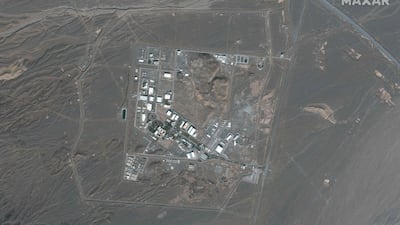
  • An overview of Iran's Natanz nuclear facility, south of the capital Tehran. Maxar Technologies / AFP
    An overview of Iran's Natanz nuclear facility, south of the capital Tehran. Maxar Technologies / AFP
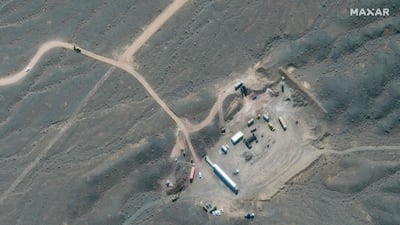
  • An overview of Iran's Natanz nuclear facility, south of the capital Tehran. Maxar Technologies / AFP
    An overview of Iran's Natanz nuclear facility, south of the capital Tehran. Maxar Technologies / AFP
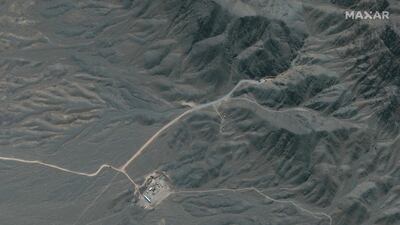
  • An overview of Iran's Natanz nuclear facility, south of the capital Tehran. Maxar Technologies / AFP
    An overview of Iran's Natanz nuclear facility, south of the capital Tehran. Maxar Technologies / AFP
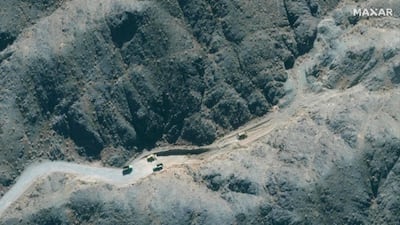
  • An overview of Iran's Natanz nuclear facility, south of the capital Tehran. Maxar Technologies / AFP
    An overview of Iran's Natanz nuclear facility, south of the capital Tehran. Maxar Technologies / AFP

The Chatham House report found that, among Iranian respondents, Mr Trump’s hardline approach had driven “Iran’s deeper entrenchment”.

“Tehran’s response, through its maximum resistance strategy, has been to build leverage and widen economic linkage – two factors that have so far allowed Iran to withstand the impact of sanctions,” it said.

The think tank said a new regional security framework was urgently required to calm heightened tensions.

The report said there was “no one clear pathway to addressing Iran’s role in the region”, but to do so required including, and not marginalising, Tehran.


THE SPECS

Engine: Four-cylinder 2.5-litre

Transmission: Seven-speed auto

Power: 165hp

Torque: 241Nm

Price: Dh99,900 to Dh134,000

On sale: now

Water waste

In the UAE’s arid climate, small shrubs, bushes and flower beds usually require about six litres of water per square metre, daily. That increases to 12 litres per square metre a day for small trees, and 300 litres for palm trees.

Horticulturists suggest the best time for watering is before 8am or after 6pm, when water won't be dried up by the sun.

A global report published by the Water Resources Institute in August, ranked the UAE 10th out of 164 nations where water supplies are most stretched.

The Emirates is the world’s third largest per capita water consumer after the US and Canada.