

A last-minute deal that would allow the UN's atomic watchdog some access to Iran’s nuclear plants means a diplomatic solution to tension with Tehran remains alive, experts said.
While Iran will go ahead with its move to reduce co-operation with the International Atomic Energy Agency, an agreement reached by its chief, Rafael Grossi, during a visit at the weekend will allow some monitoring for the next three months.
It came amid renewed hope that US President Joe Biden could salvage the 2015 nuclear deal agreed to between world powers and Iran, which sought to limit Tehran’s nuclear capacity.
Iran has repeatedly broken the accord in recent years after Mr Biden’s predecessor, Donald Trump, withdrew from it and renewed sanctions on Iran.
The Iranian Parliament passed a law last December that demanded some inspections by the IAEA be suspended if the US did not lift sanctions by Sunday, which the government in Tehran said needed to happen for it to return to the 2015 deal.
“What we have is a technical understanding that provides some breathing space for the political actors to find a political solution,” Laura Rockwood, executive director of the Open Nuclear Network, told an online seminar organised by the European Leadership network.
Kelsey Davenport, director for non-proliferation policy at the Arms Control Association, said the deal agreed to between Iran and the IAEA “staved off a crisis that threatened to kill" the nuclear agreement.
“It should maintain the political space for the United States and Iran to co-ordinate a return to full compliance of the deal,” Ms Davenport said.
But while it will help the UN agency to have some understanding of what is going on in Iran’s nuclear facilities, she said any reduction in monitoring was still “very concerning”.
The temporary solution will lead to the suspension of the Additional Protocol, which allowed the IAEA to carry out snap inspections at sites not declared by member states
The IAEA will continue to monitor Iran’s declared sites for up to three months.
-
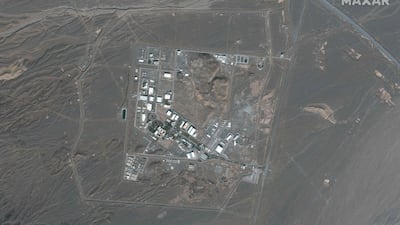
An overview of Iran's Natanz nuclear facility, south of the capital Tehran. Maxar Technologies / AFP -
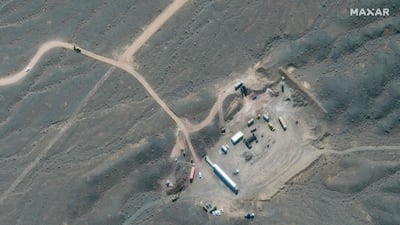
An overview of Iran's Natanz nuclear facility, south of the capital Tehran. Maxar Technologies / AFP -
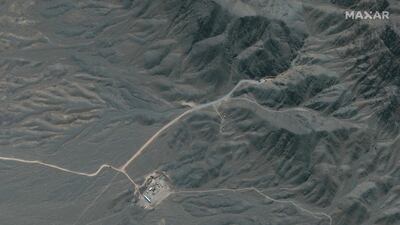
An overview of Iran's Natanz nuclear facility, south of the capital Tehran. Maxar Technologies / AFP -
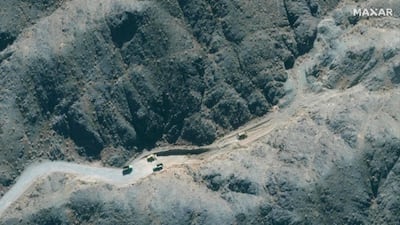
An overview of Iran's Natanz nuclear facility, south of the capital Tehran. Maxar Technologies / AFP


"What we agreed is something that is viable, it's useful to bridge this gap that we are having, salvages the situation now," Mr Grossi said.
"But of course for a stable, sustainable situation there will have to be a political negotiation that is not up to me."
The EU’s foreign affairs chief, Josep Borrell, suggested a possible breakthrough over a return to the nuclear deal or lifting of sanctions could be on the horizon.
“This is the only way forward and is in the interest of global and regional security,” Mr Borrell said.
“I can tell you that intense diplomatic contacts are ongoing, including with the US.
"As [nuclear deal] co-ordinator, it is my job to help to create the space for diplomacy and to find a solution … and I hope at the next stage there will be news.”

