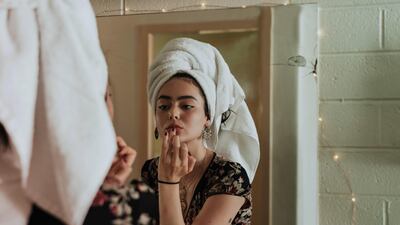
It's been touted by the likes of Emma Watson, Gwyneth Paltrow and Shailene Woodley, and now clean beauty has arrived in the UAE.
The beauty and lifestyle movement has been gaining traction in other parts of the world, as consumers look to make more ethical choices in other aspects of their life.
So what is exactly is "clean" beauty, and does that make the rest of the industry "dirty"? Not exactly.
In a nutshell, the idea is ensuring your skin is free of nasty chemicals via your beauty products. This means choosing skincare, perfumes and make-up free of ingredients such as parabens, sulfates and artificial fragrances, as well as choosing those that are sustainable, made with 100 per cent clean ingredients.
If it sounds like a concept you'd expect to read about on Paltrow's wellness tips and lifestyle brand Goop, that's because it is; the American actress was an early adopter of the movement and it's become a central part of Goop's ethos. But there are also several pretty solid arguments in the "for" category for clean beauty.
Healthcare professionals have long railed against several ingredients routinely used in the beauty industry; usually those used in beauty products to make them smell appealing, prolong their shelf life, or help them develop a foamy lather.
Firstly, there are those known as "endocrine disruptors", which are chemicals that can mimic the body's hormones. These include parabens (a commonly used cheap preservative) and phthalates (synthetic fragrances). These ingredients can mess with your metabolism, mood, and reproductive system, and have been linked to fertility issues, birth defects and cancer.
Carcinogens are also still used in beauty products. These additives, which cause cancer, include ingredients such formaldehyde (commonly used in make-up and other skincare products as a preservative). Other harmful ingredients to be wary of include sulfates, oxybenzone, triclosan and hydroquinone.

While these are transmitted in small doses, healthcare professionals argue that the build up over time, by routinely using products that include these ingredients, means there is enough cause for concern.
Where to buy clean beauty products in the UAE
Homegrown e-commerce website Hoiisa launched recently to address the growing demand for clean beauty products in the GCC.
The platform, founded by Dubai resident Mouna Azirar, offers a range of products that have been carefully researched and screened to ensure they are completely clean. This means sustainable ingredients, production and packaging.
Azirar says she began the website due to a "clear gap in the Middle Eastern sustainable and clean beauty market", and hopes to "reshape the industry by connecting sustainable brands and consumers".
Brands to look out for include: Grown Alchemist, Maisey, Salt & Stone, Rahua, Tabitha James Kraan, Solaris Laboratories NY and Mad Hippie.

