

A majority of professionals in the UAE currently prefer a fixed-pay structure rather than the uncertainty of a variable wage based on commissions and incentives, according to a new survey by jobs site Bayt.com and YouGov.
Sixty-eight per cent of respondents said they preferred a fixed wage compared with 19 per cent who would rather be paid a partially fixed salary that included variable pay for commissions and incentives, the Salary Survey 2021 found.
The survey, which identifies employees’ perceptions of salaries and benefits in the GCC and Middle East region, polled more than 2,500 people in 19 countries including the UAE, Saudi Arabia, Bahrain, Oman, Kuwait, Lebanon and Jordan.
-
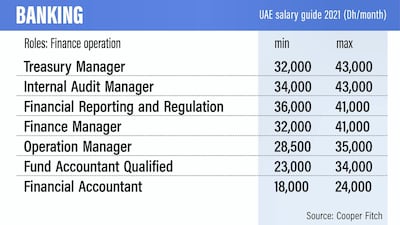
UAE Salary Guide 2021 -
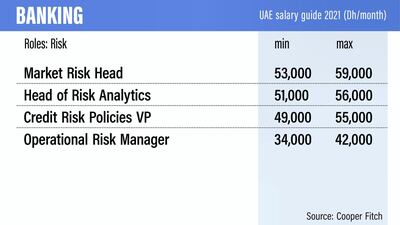
Banking -
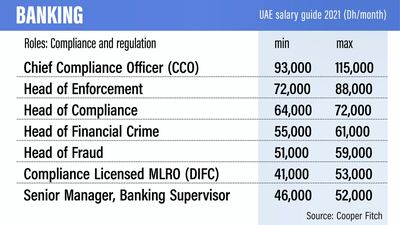
Banking -
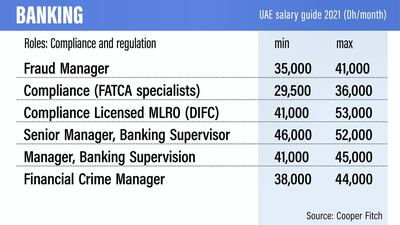
Banking -
Banking -
Banking -
Banking -
Banking -
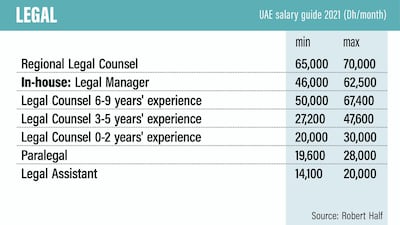
Legal -
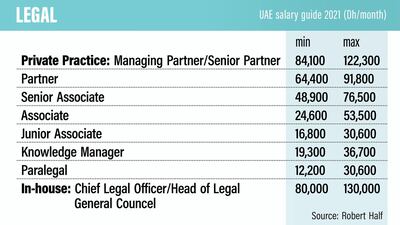
Legal -
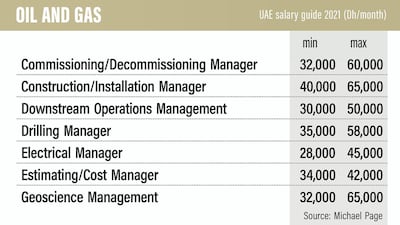
Oil and Gas -
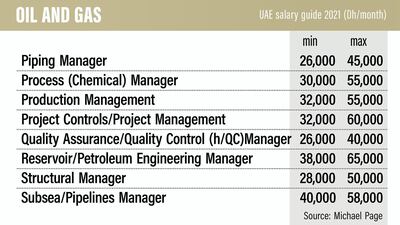
Oil and Gas -
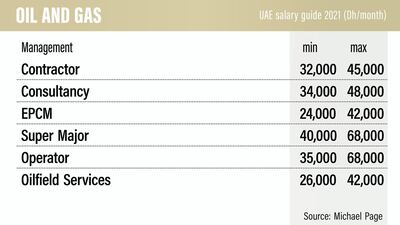
Oil and Gas -
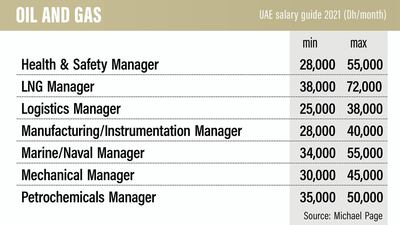
Oil and Gas -
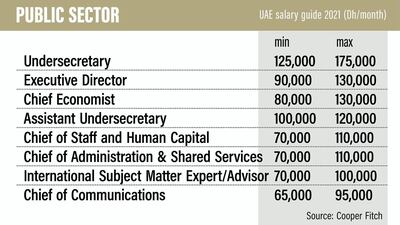
Public sector -
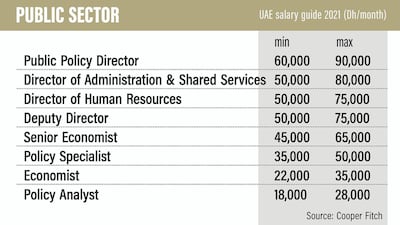
Public sector -
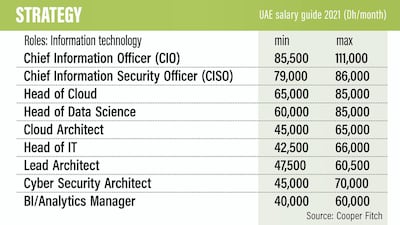
Strategy -

Strategy -
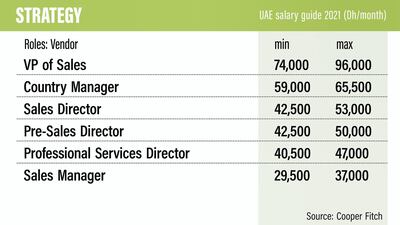
Strategy -
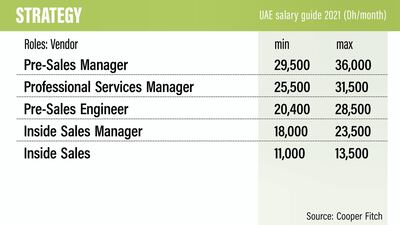
Strategy -
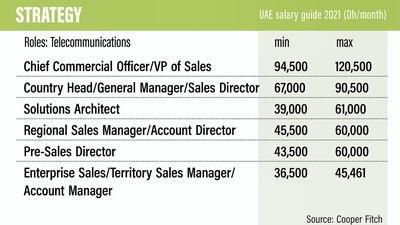
Strategy -
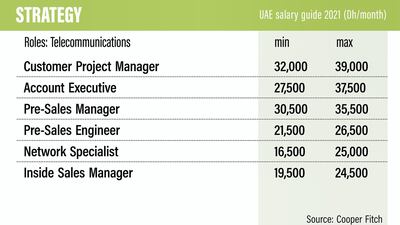
Strategy -
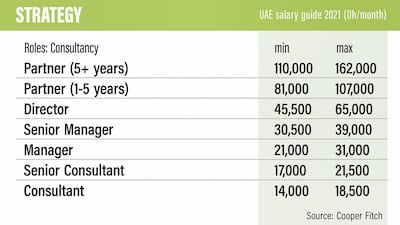
Strategy -
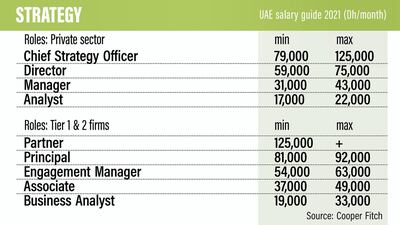
Strategy -
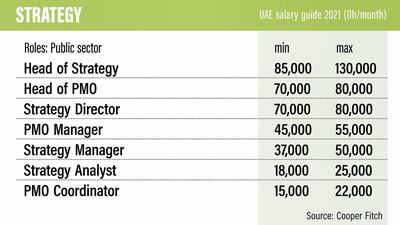
Strategy -
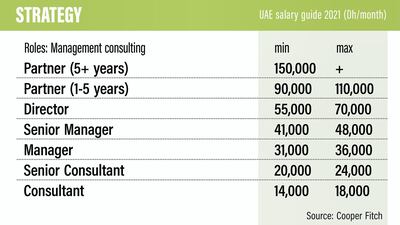
Strategy -
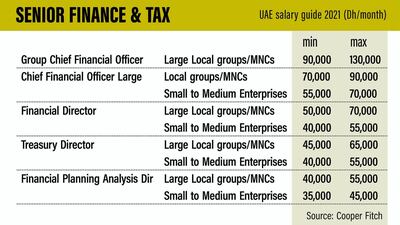
Senior finance and tax -

Senior finance and tax -

Senior finance and tax -
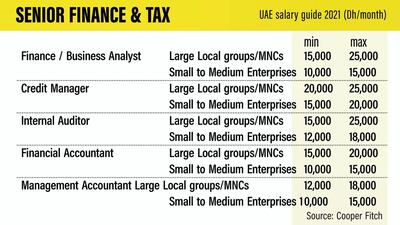
Senior finance and tax -
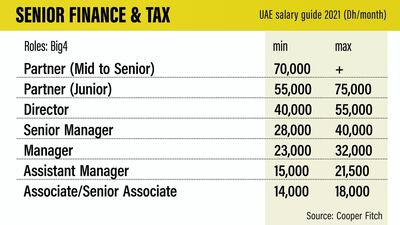
Senior finance and tax -

Senior finance and tax -
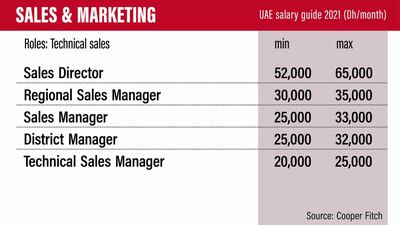
Sales and marketing -
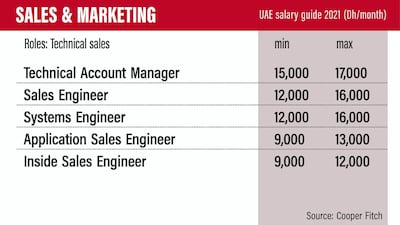
Sales and marketing -
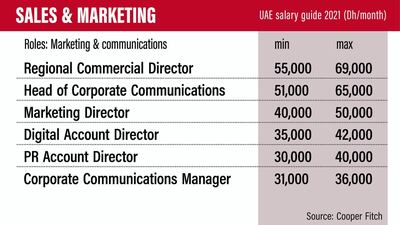
Sales and marketing -
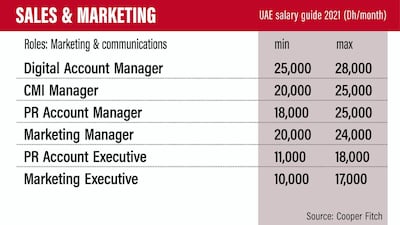
Sales and marketing -
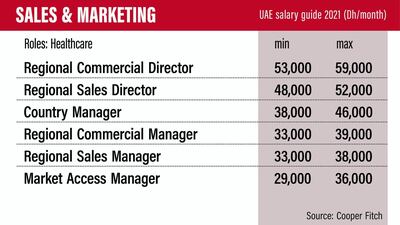
Sales and marketing -
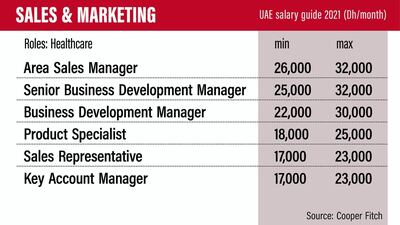
Sales and marketing -
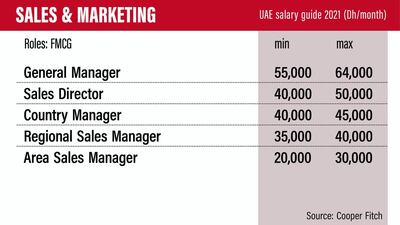
Sales and marketing -
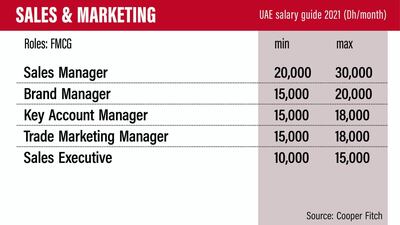
Sales and marketing -
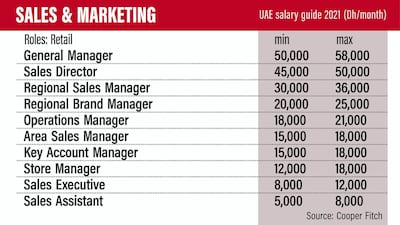
Sales and marketing -
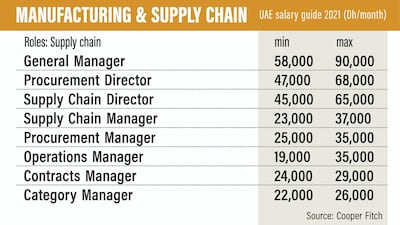
Manufacturing -
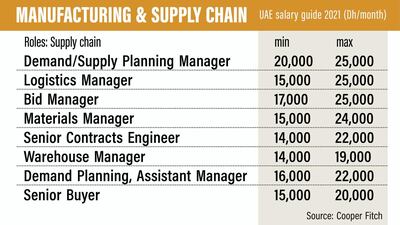
Manufacturing -
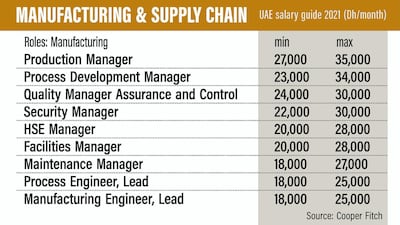
Manufacturing -
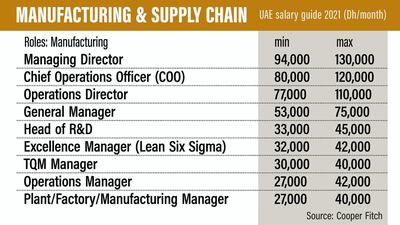
Manufacturing -
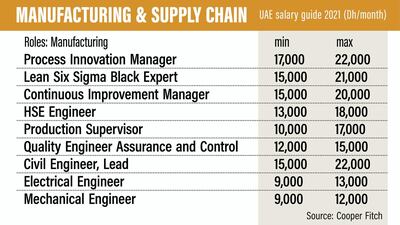
Manufacturing -
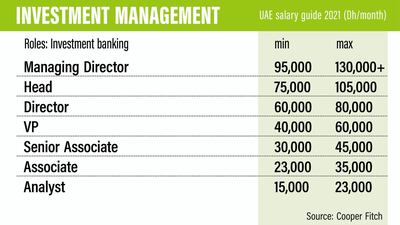
Investment management -
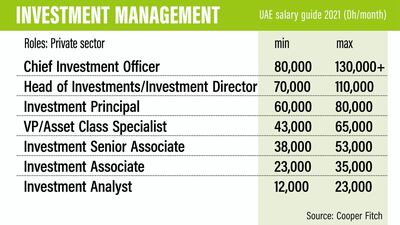
Investment management -

Investment management -
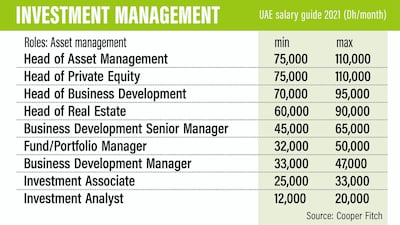
Investment management -
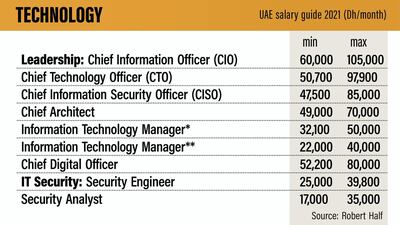
Technology -
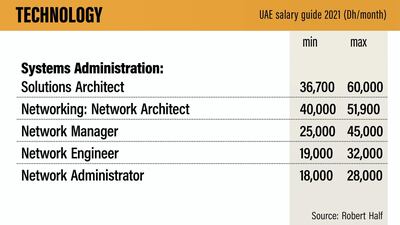
Technology -
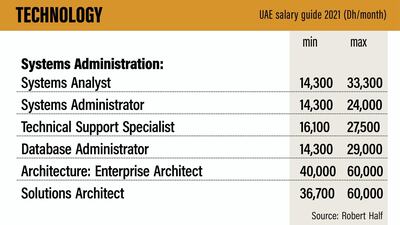
Technology -
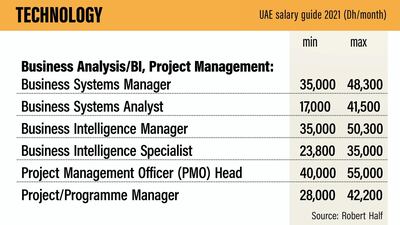
Technology -
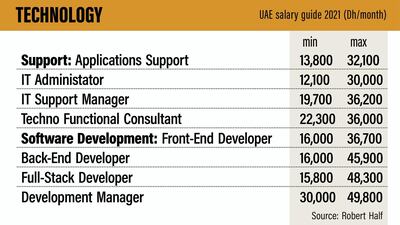
Technology -
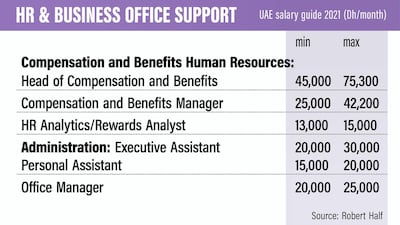
HR and office support -
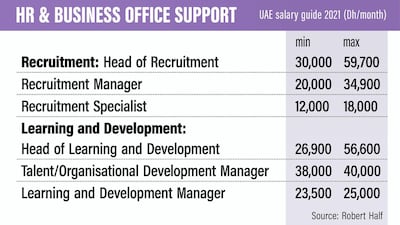
HR and office support -
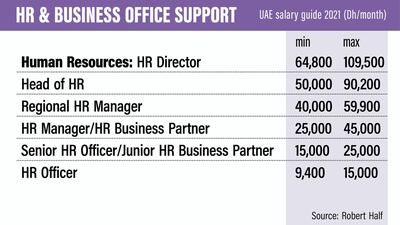
HR and office support -
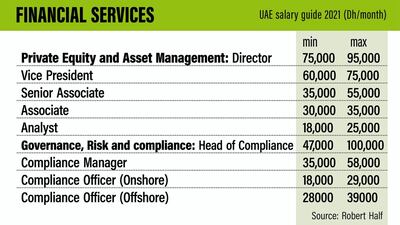
Financial services -
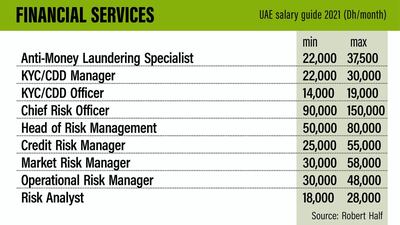
Financial services -
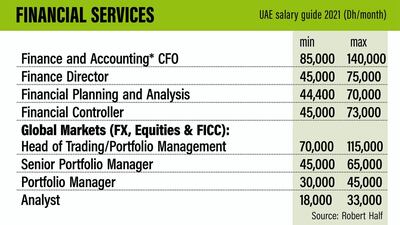
Financial services -
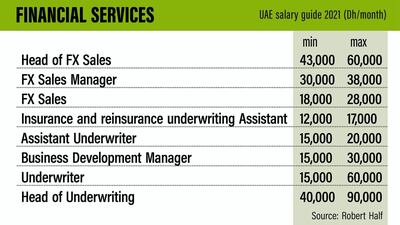
Financial services -
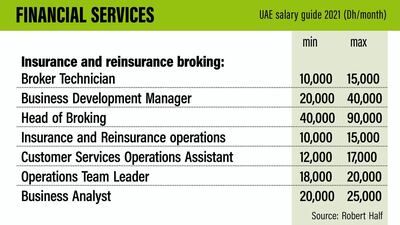
Financial services -
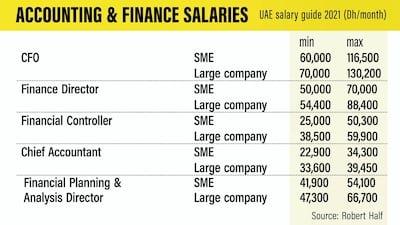
Accounting -
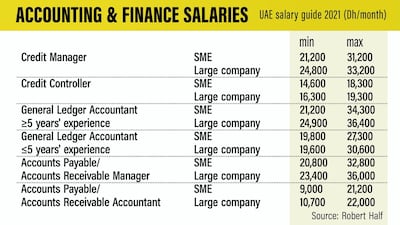
Accounting -
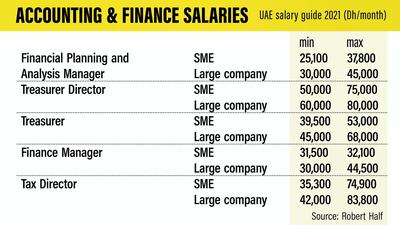
Accounting -
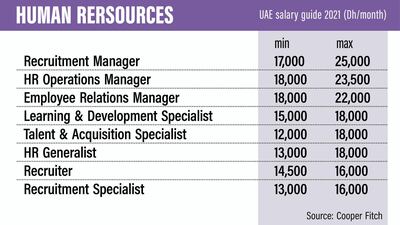
Human Resources -
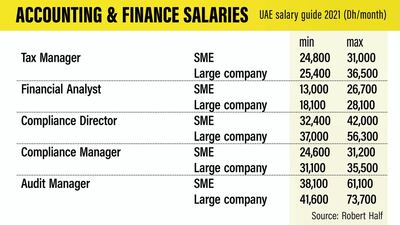
Accounting and finance salaries -
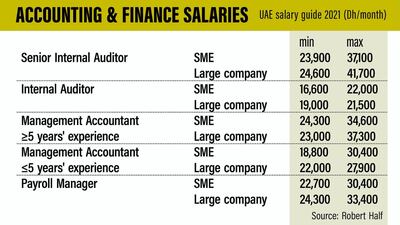
Accounting and finance salaries -

Property and construction -
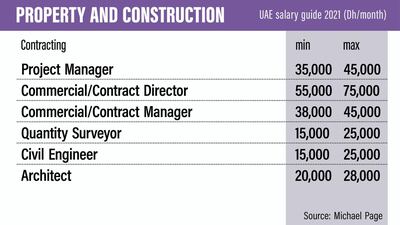
Property and construction -
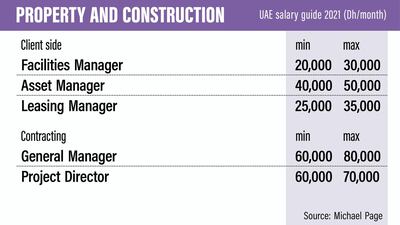
Property and construction -
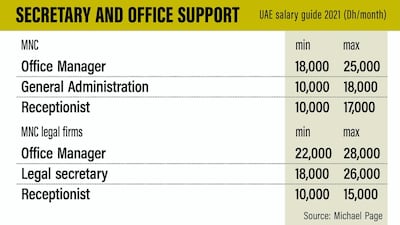
Secretary and office support -
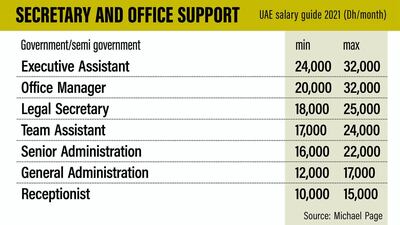
Secretary and office support -
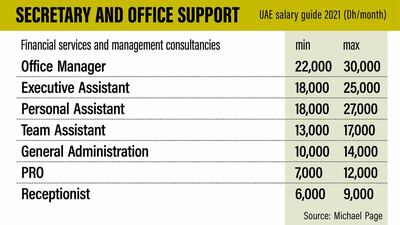
Secretary and office support -
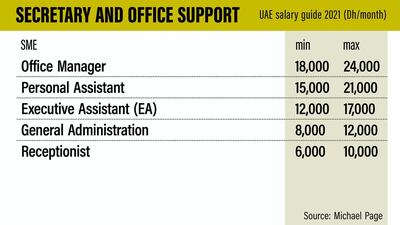
Secretary and office support -
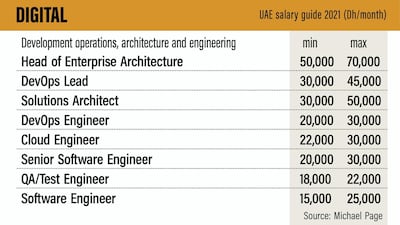
Digital -
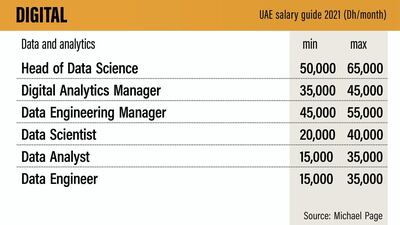
Digital -
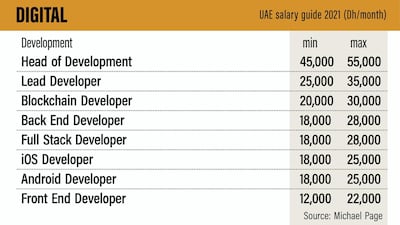
Digital -
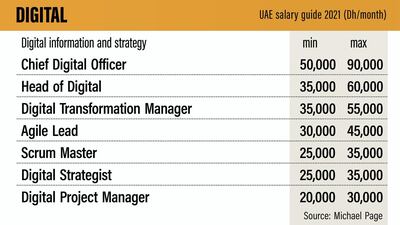
Digital -
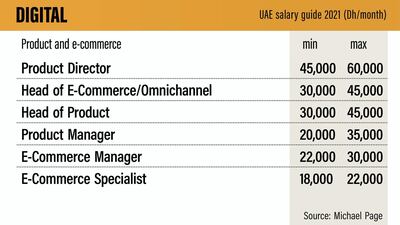
Digital -

Digital -
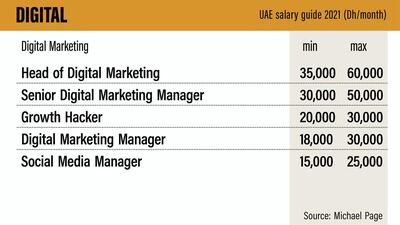
Digital -
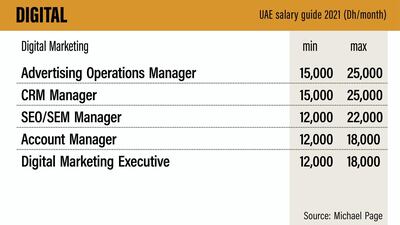
Digital


Border closures and movement restrictions during the Covid-19 pandemic affected the global jobs market in 2020, leading to salary cuts and redundancies, particularly in sectors such as aviation, events, hospitality and tourism.
However, respondents to the Bayt.com and YouGov survey remain positive about a steady income in 2021, with 63 per cent saying their salary would either increase or stay the same in their country of residence.
“Employers need to treat compensation as an integral part of an employee’s reward and monitor major factors driving the salary expectations,” Ola Haddad, director of human resources at Bayt.com, said.
In the UAE, 41 per cent of those surveyed said they received personal medical insurance as part of their salary package, while 34 per cent received air tickets, 30 per cent received a gratuity at the end of their employment and 22 per cent were given a housing allowance.

When asked about their career plans in the next 12 months, 55 per cent of UAE respondents said they will look for a better job in the same industry, and 36 per cent said they plan to look for a better job in a different industry.
In March, the latest salary report by global recruitment consultancy Hays found that about 60 per cent of employers in the UAE plan to recruit additional staff in 2021 as an economic recovery and relaxation of Covid-19-related movement restrictions improve the hiring market outlook.
This optimism is also reflected in the upbeat sentiment of the UAE workforce, with 62 per cent of UAE nationals and 56 per cent of expatriate workers feeling positive about their career prospects for the year ahead, the Hays 2021 Emiratisation Salary & Employment report said.
Meanwhile, 31 per cent of respondents to the Bayt.com and YouGov survey said their loyalty to their company is not linked to the salary they receive. However, 31 per cent said their loyalty is linked to their salary in a “large to full extent”.
Aside from pay, other important drivers of loyalty include daily responsibilities (32 per cent), opportunities for career advancement (30 per cent) and the company brand reputation (26 per cent).
“The salary survey illustrates the job market from employees’ perspective, helping candidates gauge their worth in the current job market and promoting employers’ understanding in a way that best serves the business and employees,” Zafar Shah, research director at YouGov, said.
“Smart employers will invest in opportunities for career advancement as well as training and development, which are the most important drivers of loyalty besides salary.”

