

I have resigned from my job and am working out my notice period. I have another job lined up and will start soon.
I don’t want my bank account to be frozen as I have bills to pay. Does my employer have to tell my bank that it is my last salary payment?
I also have a loan with the bank, although it is not big. Is there anything I can do to stop my account from being blocked? WS, Abu Dhabi
When someone receives their last salary payment before leaving a company, it is standard for it to be marked “final settlement”. The employer is obliged to do this, especially when they are aware someone may have outstanding liabilities such as a personal loan.
Once a bank is informed of a final salary payment, they are likely to freeze an account, especially when there are outstanding liabilities.
The reason for this is to prevent people from withdrawing their money and leaving the country without paying what they owe first.
The timescale for a bank to unfreeze an account varies. If the outstanding debt is small, some banks will unfreeze an account when presented with proof of a new job offer or a new employment visa.
In some cases, a bank will not unfreeze an account until the first salary payment is made.
In a situation where an individual expects an account to be frozen, it would be wise to withdraw some cash before the last salary payment is made so they can manage for a few weeks.
Having a good relationship with a bank and advising them of your circumstances may also be helpful as it shows there is every intention of continuing with the loan repayments. The bank may then be more amenable.
I have been working as a housemaid for a family for four months and the hours are long. I am only given one day off a month and am asked to work at all different hours.
Before I decide to leave and contact the agency that organised this job, I would like to know if I can be made to work these long hours as I am very tired. MV, Abu Dhabi
There are legal limits that relate to the hours all employees can work in the UAE. The rules for domestic workers are set out in Federal Law 10 of 2017 and supported by Cabinet Resolution 22 of 2019.
Article 12 of the law states: “1. The worker shall be entitled to one day of paid rest per week in accordance with the implementing bylaws. He/she may be required to work on a weekly rest day, in which case he/she shall be entitled to an alternative day of rest or payment of the equivalent of a day’s wage. 2. The implementing bylaws shall set the working and rest hours, subject to a minimum of twelve hours of daily rest, of which eight must be consecutive.”
Under the law, it is clear that all domestic staff are entitled to one full day off a week and cannot be asked to work for more than 12 hours during each 24-hour period.
Domestic workers now come under the protection of the Ministry of Human Resources and Emiratisation (MoHRE).
However, MV was employed through an agency and her first port of call should be to contact them to explain her situation as they should have clarified the law with the employer. The agency should explain the law again to the employer to ensure MV works no more than the legal maximum hours and has appropriate time off.
If the agency does not assist MV, she can lodge a formal complaint against them. A complaint about a domestic staffing agency can be made through any Tadbeer Centre, which is tasked with providing domestic worker services under the MoHRE.
Note that domestic workers are also entitled to annual leave under the law and this must be provided and taken.
Keren Bobker is an independent financial adviser and senior partner with Holborn Assets in Dubai, with more than 25 years’ experience. Contact her at keren@holbornassets.com. Follow her on Twitter at @FinancialUAE
The advice provided in our columns does not constitute legal advice and is provided for information only
_______________________________
UAE salary guide 2022
-
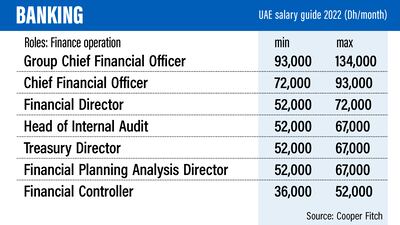
UAE salary guide 2022 -
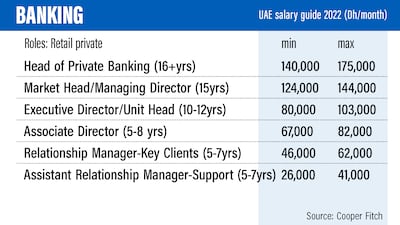
UAE salary guide 2022 -
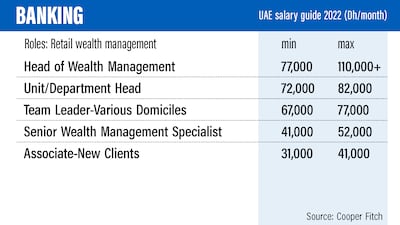
UAE salary guide 2022 -
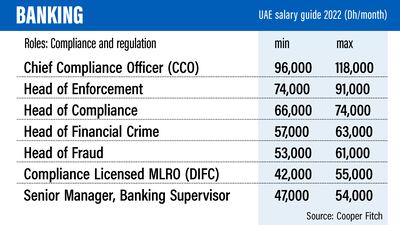
UAE salary guide 2022 -
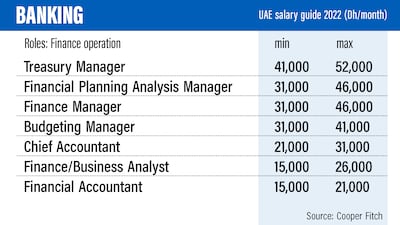
UAE salary guide 2022 -
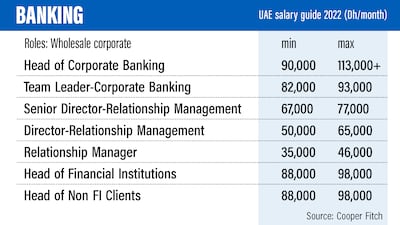
UAE salary guide 2022 -
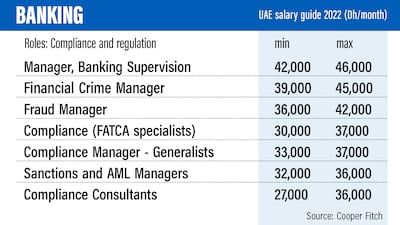
UAE salary guide 2022 -
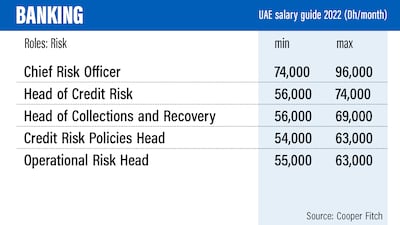
UAE salary guide 2022 -
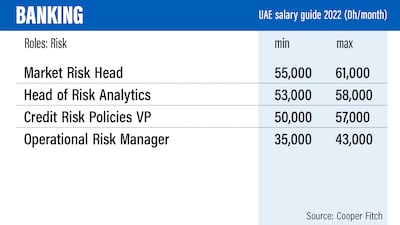
UAE salary guide 2022 -
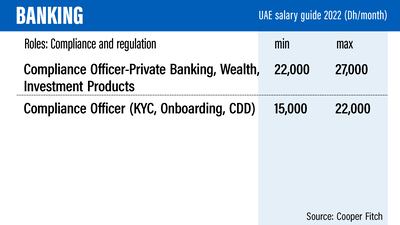
UAE salary guide 2022 -
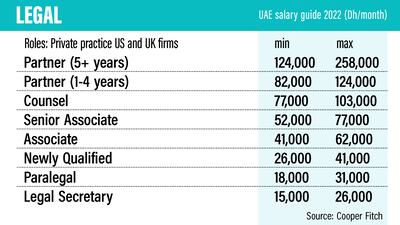
UAE salary guide 2022 -
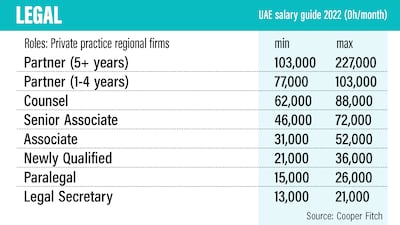
UAE salary guide 2022 -
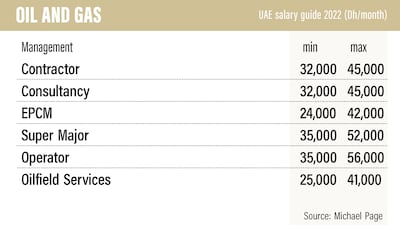
UAE Salary guide 2022 -
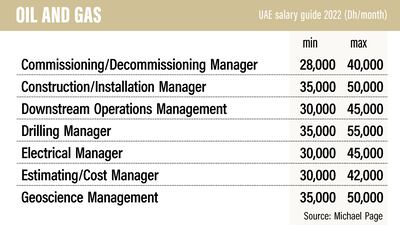
UAE Salary guide 2022 -
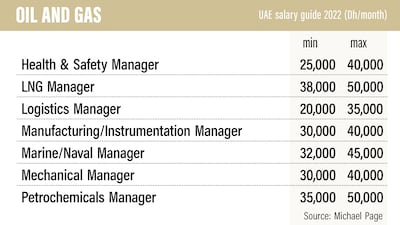
UAE Salary guide 2022 -
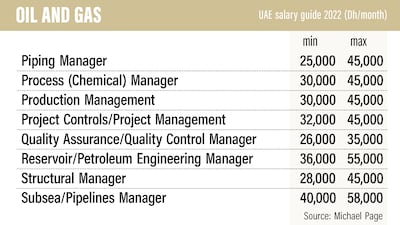
UAE Salary guide 2022 -
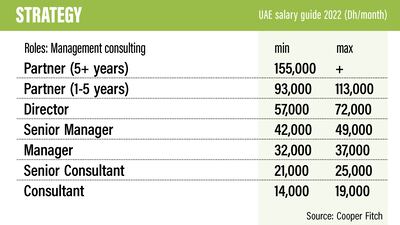
UAE salary guide 2022 -
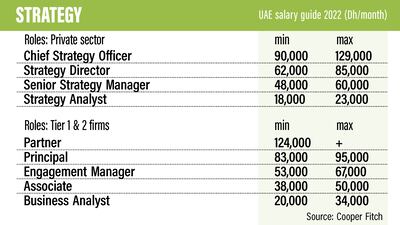
UAE salary guide 2022 -
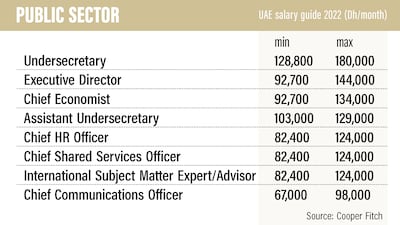
UAE salary guide 2022 -
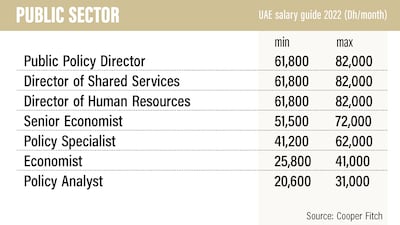
UAE salary guide 2022 -
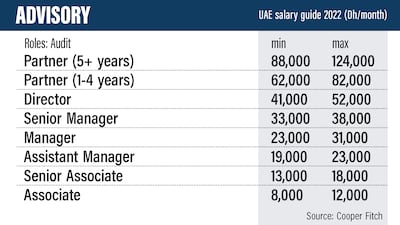
UAE salary guide 2022 -
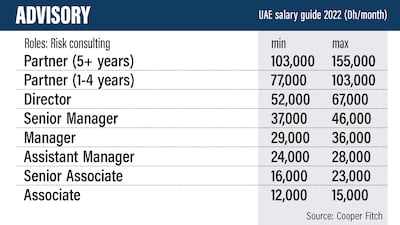
UAE salary guide 2022 -
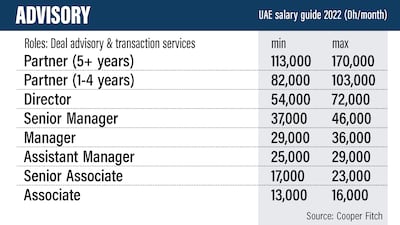
UAE salary guide 2022 -
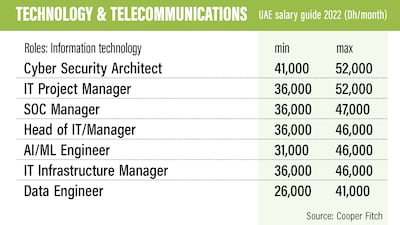
UAE salary guide 2022 -
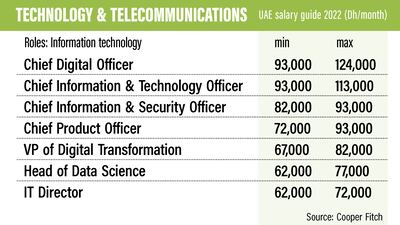
UAE salary guide 2022 -

UAE salary guide 2022 -
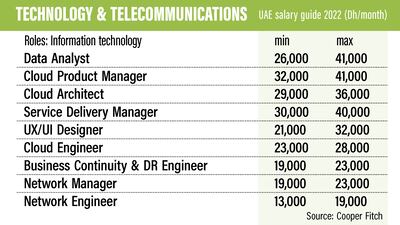
UAE salary guide 2022 -
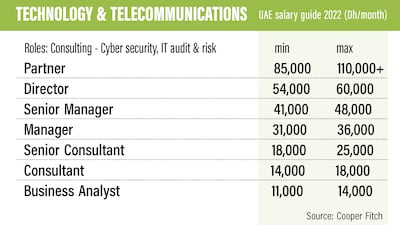
UAE salary guide 2022 -
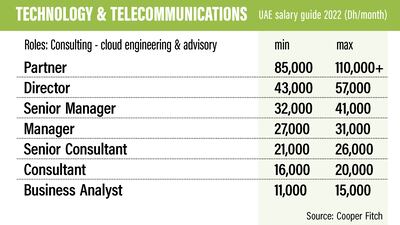
UAE salary guide 2022 -
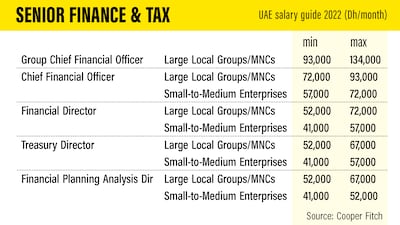
UAE salary guide 2022 -
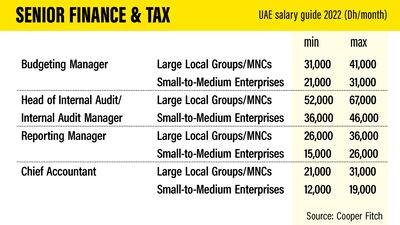
UAE salary guide 2022 -
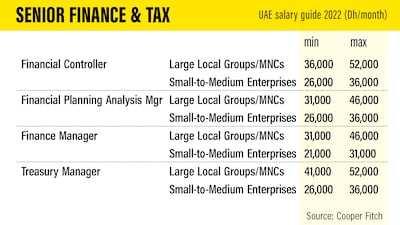
UAE salary guide 2022 -
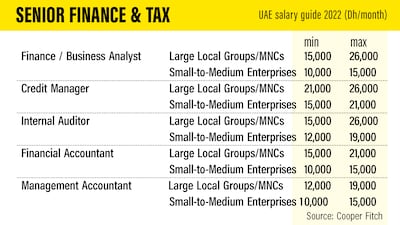
UAE salary guide 2022 -
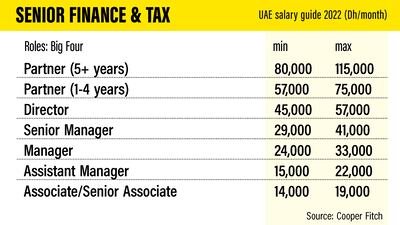
UAE salary guide 2022 -
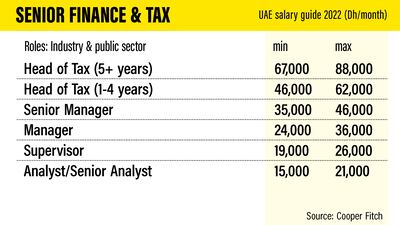
UAE salary guide 2022 -
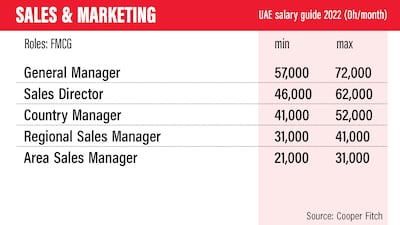
UAE salary guide 2022 -
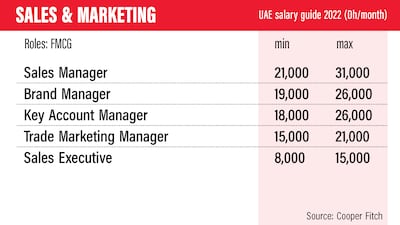
UAE salary guide 2022 -

UAE salary guide 2022 -

UAE salary guide 2022 -
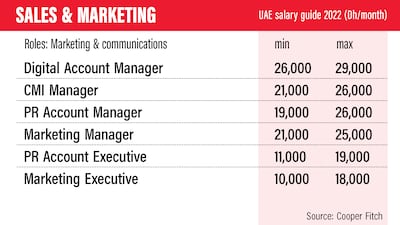
UAE salary guide 2022 -
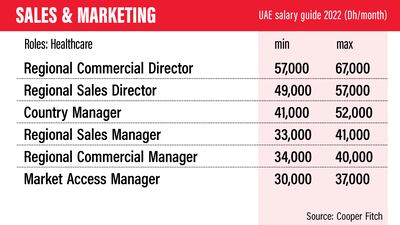
UAE salary guide 2022 -
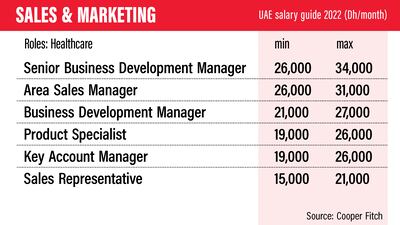
UAE salary guide 2022 -

UAE salary guide 2022 -

UAE salary guide 2022 -
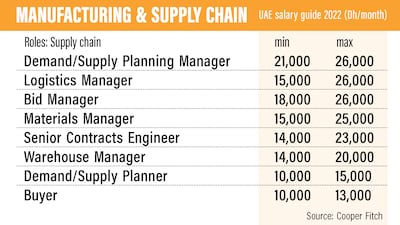
UAE salary guide 2022 -
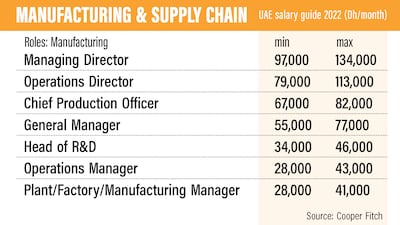
UAE salary guide 2022 -
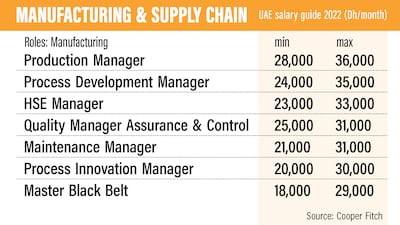
UAE salary guide 2022 -
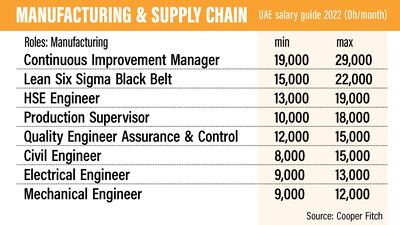
UAE salary guide 2022 -
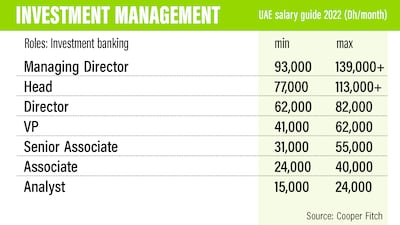
UAE salary guide 2022 -
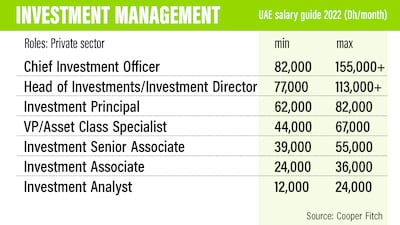
UAE salary guide 2022 -
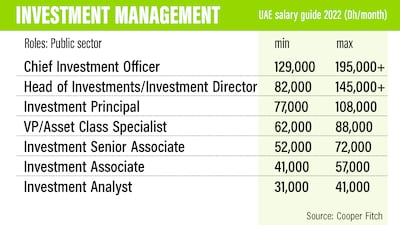
UAE salary guide 2022 -
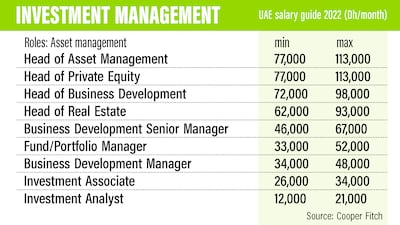
UAE salary guide 2022 -
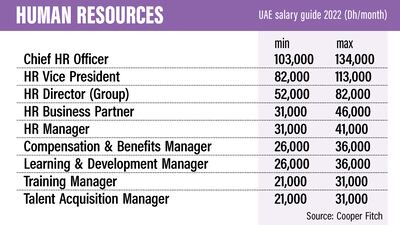
UAE salary guide 2022 -
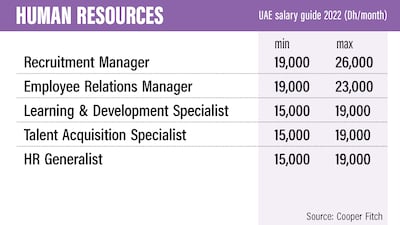
UAE salary guide 2022 -
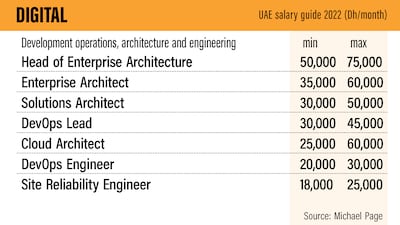
UAE Salary guide 2022 -
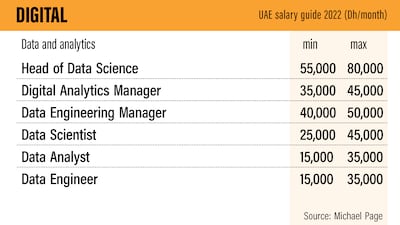
UAE Salary guide 2022 -
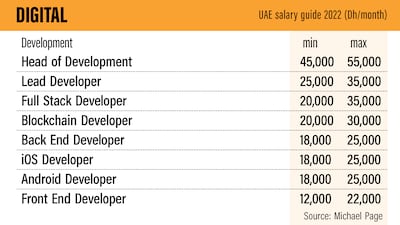
UAE Salary guide 2022 -

UAE Salary guide 2022 -
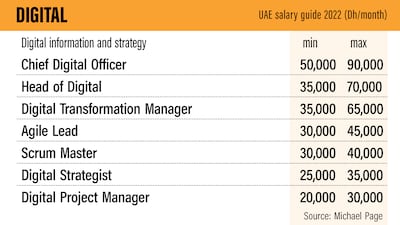
UAE Salary guide 2022 -
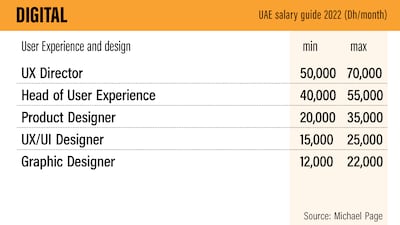
UAE Salary guide 2022 -
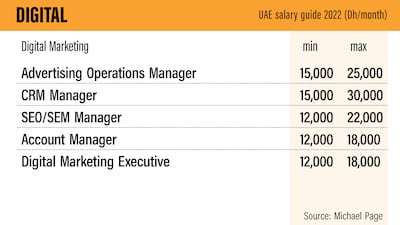
UAE Salary guide 2022 -
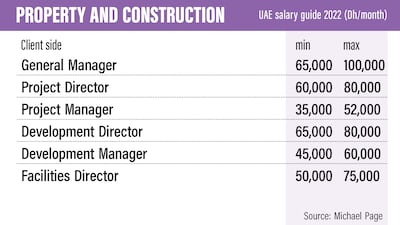
UAE Salary guide 2022 -
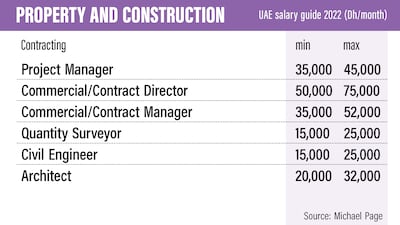
UAE Salary guide 2022 -
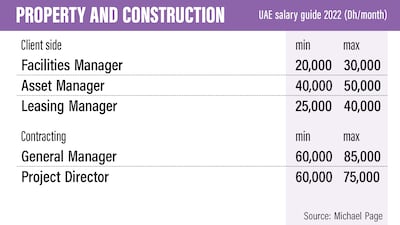
UAE Salary guide 2022 -

UAE Salary guide 2022 -
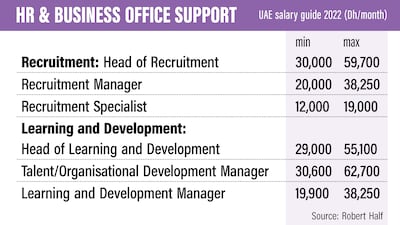
UAE Salary guide 2022 -
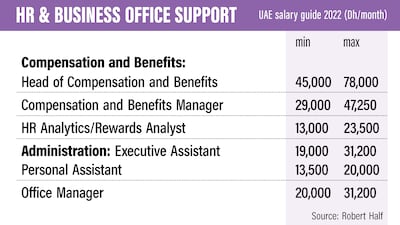
UAE Salary guide 2022 -
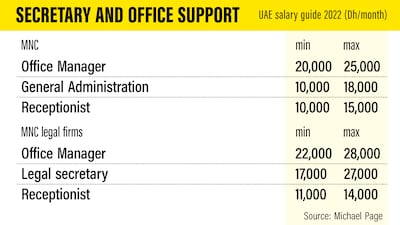
UAE Salary guide 2022 -
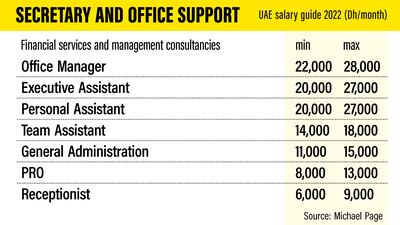
UAE Salary guide 2022 -
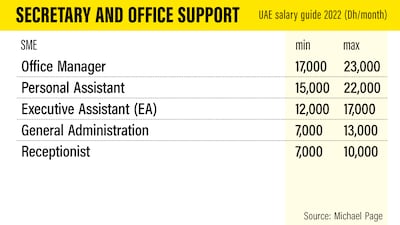
UAE Salary guide 2022 -
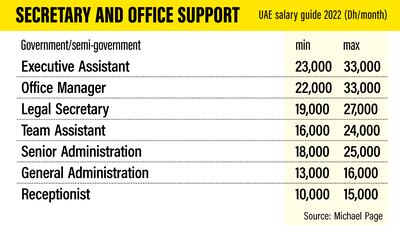
UAE Salary guide 2022 -
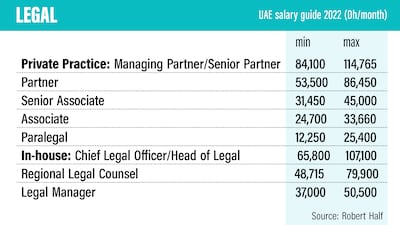
UAE Salary guide 2022 -
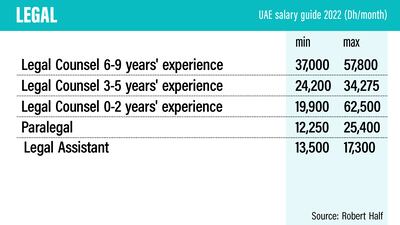
UAE Salary guide 2022 -
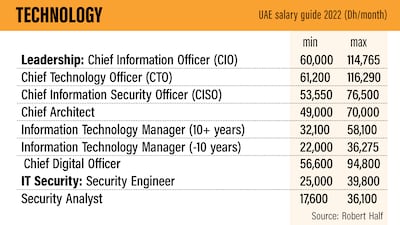
UAE Salary guide 2022 -
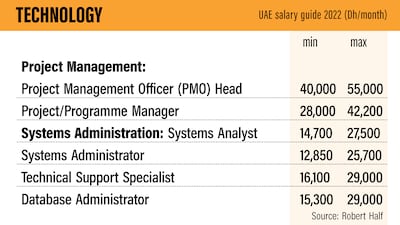
UAE Salary guide 2022 -
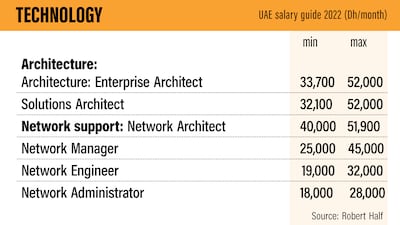
UAE Salary guide 2022 -
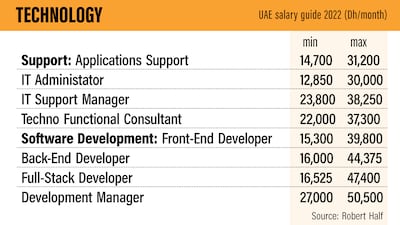
UAE Salary guide 2022 -
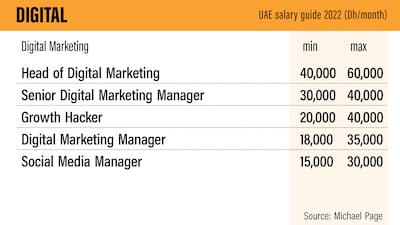
UAE Salary guide 2022 -
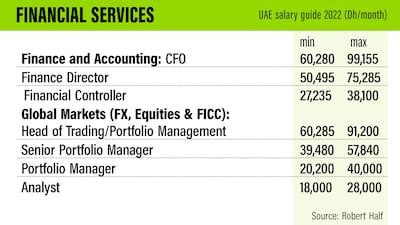
UAE Salary guide 2022 -
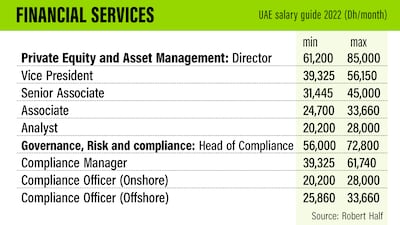
UAE Salary guide 2022 -
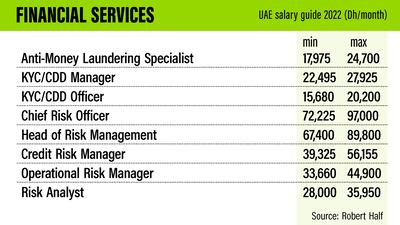
UAE Salary guide 2022 -
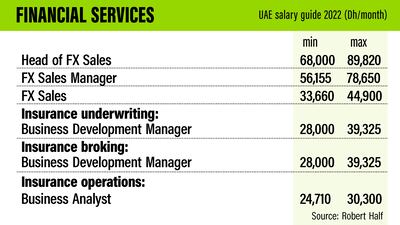
UAE Salary guide 2022 -
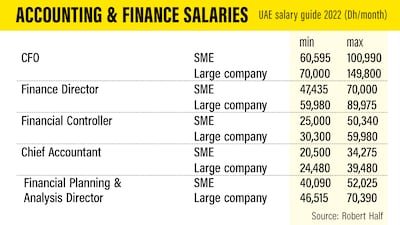
UAE Salary guide 2022 -
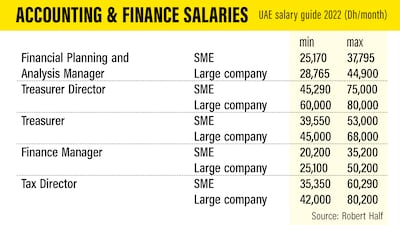
UAE Salary guide 2022 -
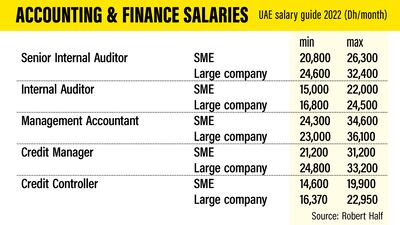
UAE Salary guide 2022 -
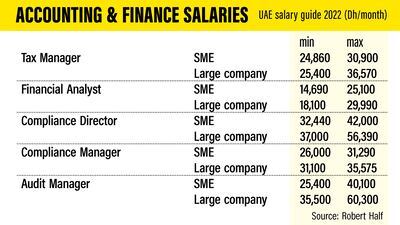
UAE Salary guide 2022 -

UAE Salary guide 2022



