Hydrogen, the primeval element forged in the Big Bang, is undergoing a renaissance. After periodic hype as an energy carrier, most recently under former US president George W Bush, it faded into the background. But now a rush of announcements has brought it back as the next big clean energy hope.
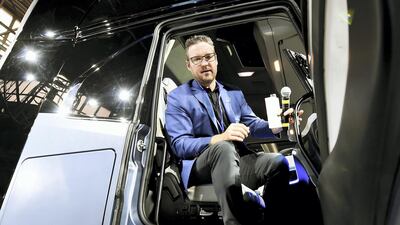
Nikola Motors, a US manufacturer of hydrogen fuel-cell vehicles, had its initial public offering on June 4. It has no revenue and has yet to make a sale but is valued at $17.6 billion (Dh64.6bn) – half as much as BMW.
On July 7, a consortium comprised of industrial gases company Air Products, Saudi-based private electricity developer Acwa Power and Neom, the new city planned in the kingdom’s north-west, agreed on a $5bn project to produce hydrogen using solar and wind power.
Shell and Dutch gas utility Gasunie unveiled plans to use offshore wind to produce hydrogen for distribution through existing gas pipelines.
Danish marine company Maersk, offshore wind leader Orsted and airline SAS joined forces to produce hydrogen for synthetic aviation and shipping fuels while BP is looking at a wind and solar-powered hydrogen facility in Australia.
Japan developed its hydrogen strategy as far back as 2017 and Germany unveiled its own approach last month.
On Friday, 11 European gas infrastructure companies presented a plan for a continent-wide hydrogen network consisting of 23,000 kilometres of pipelines.
These various initiatives have two common themes. Firstly, they focus on “green” hydrogen made by breaking down water through electrolysis, using low-carbon, renewable electricity.
This is used instead of making hydrogen from natural gas, the most common – and a much cheaper – method. Production from gas and the capture of the associated carbon dioxide gives low-carbon “blue” hydrogen.
Secondly, they follow the successful expansion of solar and wind power over the past two decades: to scale up and build large numbers of green hydrogen systems, bringing down their costs to parity with natural gas. Hydrogen from electrolysis currently costs about $2 per kilogram but has to fall to around $1 to make it viable – roughly comparable to long-term liquefied natural gas prices.
There are still other parts of the puzzle to crack. Electrolysers need cheap electricity but must run near-continuously to cover their capital costs.
Clever combinations of intermittent renewables are required to achieve this through night-time or less windy periods.
Hydrogen is tricky to transport because of its low density. Producers in North Africa could use existing gas pipelines to transport it to Europe.
Neom and the BP Australia project will produce ammonia, which can be used as a fuel or fertiliser directly or broken down to hydrogen at its destination. Still, this adds extra costs.
The element has several different uses: it is used mostly to make ammonia and methanol, the fuel and chemical feedstock, as well as being used in oil refining.
In the future, hydrogen could produce important industrial materials, such as steel, without carbon dioxide emissions. It can also be blended with natural gas for lower-carbon home heating and cooking, to help fuel trains, ships and aircraft or be used to store energy for later use.
The only product of burning hydrogen is water. This versatility and cleanliness explain the growing interest in hydrogen.
Indeed, we might wonder why hydrogen development went fallow before being revived so suddenly. Why were we not looking ahead a decade ago?
However, the current direction of hydrogen policy also poses a concern for the Middle East. Apart from Neom and a hydrogen distribution system in the kingdom’s industrial city of Yanbu that was built by French company Air Liquide, there are few large-scale projects in the region.
Adnoc and Masdar are launching a hydrogen-filling station while Dubai’s Expo 2020 site has a pilot solar hydrogen electrolyser.
The Neom site has some advantages: large scale, excellent sun and relative proximity to Europe through the Suez Canal. It has its challenges, too – such as not being near the kingdom’s existing industrial sites or other users of hydrogen.
If the region is to continue making use of its giant oil and gas resource, it needs to do so without contributing to climate change.
To meet the Paris Agreement’s target of no more than 1.5°C of warming above pre-industrial levels by 2100, humanity can emit a maximum of 464 billion tonnes of carbon dioxide.
The world’s current reserves of oil and gas would yield more than 1,100 billion tonnes, and that is without considering the much larger amounts of coal.
Converting oil and gas into hydrogen is one way to square this circle.
However, if large blue hydrogen projects do not go ahead soon, policy and supply will fixate on green hydrogen.
Countries such as Germany already have a natural inclination that way because of their surplus renewable generation and environmentalist mistrust of the fossil fuel industry.
As electrolyser costs fall, domestic production will seem more attractive than imports, which face the burden of transport costs anyway.
The Middle East was slow to the renewables revolution and only a few regional countries are truly taking advantage.
Saudi Arabia needs to push through the Neom project and other similar projects without delay.
However, the kingdom and other big petroleum producers in the region need a strategy for hydrogen – and some real blue and green hydrogen projects.
They should work with international partners such as Japan and Germany and encourage policies that would reward a decarbonised industry, transforming themselves into the clean workshop of the world.
The nascent competition to come up with the first hydrogen champions is already heating up. The region cannot afford to miss the hydrogen-fuelled bus.
Robin Mills is chief executive of Qamar Energy, and author of The Myth of the Oil Crisis

ASSASSIN'S%20CREED%20MIRAGE
%3Cp%3E%0DDeveloper%3A%20Ubisoft%20Bordeaux%0D%3Cbr%3EPublisher%3A%20Ubisoft%0D%3Cbr%3EConsoles%3A%20PlayStation%204%26amp%3B5%2C%20PC%20and%20Xbox%20Series%20S%26amp%3BX%0D%3Cbr%3ERating%3A%203.5%2F5%3C%2Fp%3E%0A
What vitamins do we know are beneficial for living in the UAE
Vitamin D: Highly relevant in the UAE due to limited sun exposure; supports bone health, immunity and mood.
Vitamin B12: Important for nerve health and energy production, especially for vegetarians, vegans and individuals with absorption issues.
Iron: Useful only when deficiency or anaemia is confirmed; helps reduce fatigue and support immunity.
Omega-3 (EPA/DHA): Supports heart health and reduces inflammation, especially for those who consume little fish.
COMPANY%20PROFILE
%3Cp%3E%3Cstrong%3ECompany%20name%3A%3C%2Fstrong%3E%203S%20Money%3Cbr%3E%3Cstrong%3EStarted%3A%3C%2Fstrong%3E%202018%3Cbr%3E%3Cstrong%3EBased%3A%3C%2Fstrong%3E%20London%3Cbr%3E%3Cstrong%3EFounders%3A%3C%2Fstrong%3E%20Ivan%20Zhiznevsky%2C%20Eugene%20Dugaev%20and%20Andrei%20Dikouchine%3Cbr%3E%3Cstrong%3ESector%3A%3C%2Fstrong%3E%20FinTech%3Cbr%3E%3Cstrong%3EInvestment%20stage%3A%3C%2Fstrong%3E%20%245.6%20million%20raised%20in%20total%3C%2Fp%3E%0A
HIJRA
Starring: Lamar Faden, Khairiah Nathmy, Nawaf Al-Dhufairy
Director: Shahad Ameen
Rating: 3/5
So what is Spicy Chickenjoy?
Just as McDonald’s has the Big Mac, Jollibee has Spicy Chickenjoy – a piece of fried chicken that’s crispy and spicy on the outside and comes with a side of spaghetti, all covered in tomato sauce and topped with sausage slices and ground beef. It sounds like a recipe that a child would come up with, but perhaps that’s the point – a flavourbomb combination of cheap comfort foods. Chickenjoy is Jollibee’s best-selling product in every country in which it has a presence.
How it works
Each player begins with one of the great empires of history, from Julius Caesar's Rome to Ramses of Egypt, spread over Europe and the Middle East.
Round by round, the player expands their empire. The more land they have, the more money they can take from their coffers for each go.
As unruled land and soldiers are acquired, players must feed them. When a player comes up against land held by another army, they can choose to battle for supremacy.
A dice-based battle system is used and players can get the edge on their enemy with by deploying a renowned hero on the battlefield.
Players that lose battles and land will find their coffers dwindle and troops go hungry. The end goal? Global domination of course.
Company%20Profile
%3Cp%3E%3Cstrong%3ECompany%20name%3A%20%3C%2Fstrong%3ENamara%0D%3Cbr%3E%3Cstrong%3EStarted%3A%20%3C%2Fstrong%3EJune%202022%0D%3Cbr%3E%3Cstrong%3EFounder%3A%20%3C%2Fstrong%3EMohammed%20Alnamara%0D%3Cbr%3E%3Cstrong%3EBased%3A%20%3C%2Fstrong%3EDubai%20%0D%3Cbr%3E%3Cstrong%3ESector%3A%20%3C%2Fstrong%3EMicrofinance%0D%3Cbr%3E%3Cstrong%3ECurrent%20number%20of%20staff%3A%20%3C%2Fstrong%3E16%0D%3Cbr%3E%3Cstrong%3EInvestment%20stage%3A%20%3C%2Fstrong%3ESeries%20A%0D%3Cbr%3E%3Cstrong%3EInvestors%3A%20%3C%2Fstrong%3EFamily%20offices%0D%3Cbr%3E%3C%2Fp%3E%0A
The specs
Engine: 3.6 V6
Transmission: 8-speed auto
Power: 295bhp
Torque: 353Nm
Price: Dh155,000
On sale: now
Top 5 concerns globally:
1. Unemployment
2. Spread of infectious diseases
3. Fiscal crises
4. Cyber attacks
5. Profound social instability
Top 5 concerns in the Mena region
1. Energy price shock
2. Fiscal crises
3. Spread of infectious diseases
4. Unmanageable inflation
5. Cyber attacks
Source: World Economic Foundation
Read more from Kareem Shaheen
Major matches on Manic Monday
Andy Murray (GBR) v Benoit Paire (FRA)
Grigor Dimitrov (BGR) v Roger Federer (SUI)
Rafael Nadal (ESP) v Gilles Muller (LUX)
Adrian Mannarino (FRA) Novak Djokovic (SRB)
COMPANY%20PROFILE
%3Cp%3E%3Cstrong%3EName%3A%20%3C%2Fstrong%3EKinetic%207%3Cbr%3E%3Cstrong%3EStarted%3A%3C%2Fstrong%3E%202018%3Cbr%3E%3Cstrong%3EFounder%3A%3C%2Fstrong%3E%20Rick%20Parish%3Cbr%3E%3Cstrong%3EBased%3A%3C%2Fstrong%3E%20Abu%20Dhabi%2C%20UAE%3Cbr%3E%3Cstrong%3EIndustry%3A%3C%2Fstrong%3E%20Clean%20cooking%3Cbr%3E%3Cstrong%3EFunding%3A%3C%2Fstrong%3E%20%2410%20million%3Cbr%3E%3Cstrong%3EInvestors%3A%3C%2Fstrong%3E%20Self-funded%3C%2Fp%3E%0A
TALE OF THE TAPE
Manny Pacquiao
Record: 59-6-2 (38 KOs)
Age: 38
Weight: 146lbs
Height: 166cm
Reach: 170cm
Jeff Horn
Record: 16-0-1 (11 KOs)
Age: 29
Weight: 146.2lbs
Height: 175cm
Reach: 173cm
Suggested picnic spots
Abu Dhabi
Umm Al Emarat Park
Yas Gateway Park
Delma Park
Al Bateen beach
Saadiyaat beach
The Corniche
Zayed Sports City
Dubai
Kite Beach
Zabeel Park
Al Nahda Pond Park
Mushrif Park
Safa Park
Al Mamzar Beach Park
Al Qudrah Lakes
Benefits of first-time home buyers' scheme
- Priority access to new homes from participating developers
- Discounts on sales price of off-plan units
- Flexible payment plans from developers
- Mortgages with better interest rates, faster approval times and reduced fees
- DLD registration fee can be paid through banks or credit cards at zero interest rates
Scores
New Zealand 266 for 9 in 50 overs
Pakistan 219 all out in 47.2 overs
New Zealand win by 47 runs
TECH%20SPECS%3A%20APPLE%20WATCH%20SE%20(second%20generation)
%3Cp%3EDisplay%3A%2040mm%2C%20324%20x%20394%3B%2044mm%2C%20368%20x%20448%3B%20Retina%20LTPO%20OLED%2C%20up%20to%201000%20nits%3B%20Ion-X%20glass%3C%2Fp%3E%0A%3Cp%3EProcessor%3A%20Apple%20S8%2C%20W3%20wireless%3C%2Fp%3E%0A%3Cp%3ECapacity%3A%2032GB%3C%2Fp%3E%0A%3Cp%3EMemory%3A%201GB%3C%2Fp%3E%0A%3Cp%3EPlatform%3A%20watchOS%209%3C%2Fp%3E%0A%3Cp%3EHealth%20metrics%3A%202nd-gen%20heart%20rate%20sensor%2C%20workouts%2C%20fall%2Fcrash%20detection%3B%20emergency%20SOS%2C%20international%20emergency%20calling%3C%2Fp%3E%0A%3Cp%3EConnectivity%3A%20GPS%2FGPS%20%2B%20cellular%3B%20Wi-Fi%2C%20LTE%2C%20Bluetooth%205.3%2C%20NFC%20(Apple%20Pay)%3C%2Fp%3E%0A%3Cp%3EDurability%3A%20Water%20resistant%20up%20to%2050m%3C%2Fp%3E%0A%3Cp%3EBattery%3A%20269mAh%20Li-ion%2C%20up%20to%2018h%2C%20wireless%20charging%3C%2Fp%3E%0A%3Cp%3ECards%3A%20eSIM%3C%2Fp%3E%0A%3Cp%3EFinishes%3A%20Aluminium%3B%20midnight%2C%20silver%2C%20starlight%3C%2Fp%3E%0A%3Cp%3EIn%20the%20box%3A%20Watch%20SE%2C%20magnetic-to-USB-C%20charging%20cable%2C%20band%2Floop%3C%2Fp%3E%0A%3Cp%3EPrice%3A%20Starts%20at%20Dh999%20(40mm)%20%2F%201%2C119%20(44mm)%3C%2Fp%3E%0A
