
Inaction on climate change could cost G7 nations 8.5 per cent in lost gross domestic product annually by 2050 and include heavy job losses, Oxfam said on Monday.
The charities group said more ambitious action is needed to tackle climate change if its worst effects are to be avoided by the world's biggest economies.
Analysis of research by the Swiss Re Institute showed the world needs to cut carbon emissions more quickly and steeply, Oxfam said.
"The climate crisis is already devastating lives in poorer countries but the world's most developed economies are not immune," said Danny Sriskandarajah, chief executive of Oxfam GB.
"The UK government has a once-in-a-generation opportunity to lead the world towards a safer, more liveable planet for all of us.
"It should strain every diplomatic sinew to secure the strongest possible outcome at the G7 and Cop26 summits, and lead by example by turning promises into action and reversing self-defeating decisions like the proposed coal-mine in Cumbria and cuts to overseas aid."
Swiss Re looked at how climate change is likely to affect economies through gradual, chronic climate risks such as heat stress, higher sea levels, health problems and the effects on agricultural productivity.
Oxfam's analysis found the loss in GDP, assuming 2.6°C of warming, would be double that of the coronavirus pandemic, which has caused G7 economies to shrink by an average of 4.2 per cent.
The UK economy is projected to lose up to 6.5 per cent of its value by mid-century, compared with 2.4 per cent if it succeeds in pushing other nations to reduce emissions fast enough to meet the goals of the Paris Agreement.
-

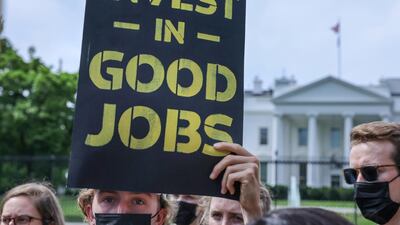
Around $3.5 trillion is required between now and 2050 to meet targets for a 'sustainable path', according to the International Energy Agency. AP Photo -
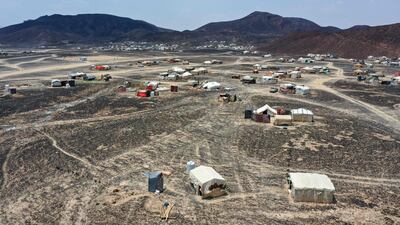
The makeshift Suweida camp for internally displaced people in Yemen’s Marib province. The effects of climate change have exacerbated the displacement of local populations during the country’s war. AFP -
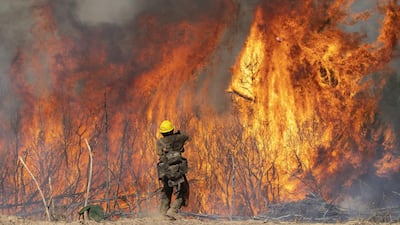
A firefighter monitors a controlled burn, near Jolon, California.Frequent wildfires are an indication of climate change further getting out of control, say environmentalists. Bloomberg -
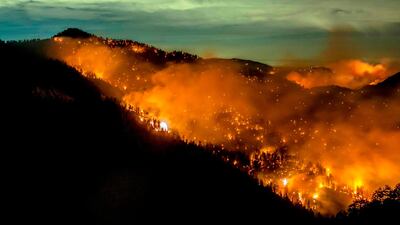
Wildfire burns through the Angeles National Forest in Los Angeles County, north of Azusa, California. AFP -
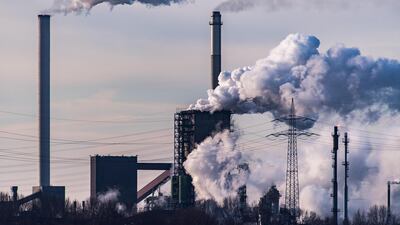
Steam rises from a steel mill in Duisburg, Germany. Some countries are using the coronavirus pandemic to wind back climate change commitments, say environmentalists. Getty Images -
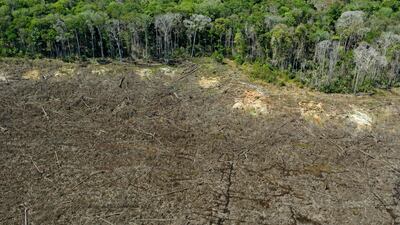
A deforested area close to Sinop, Mato Grosso State, Brazil. Deforestation in Brazil's Amazon rainforest rose by almost 22 percent from August 2020 to July 2021, compared with the same period the year before, reaching a 15-year high. AFP


The US would be hit with a 7.2 per cent loss by 2050, Japan 9.1 per cent, Italy 11.4 per cent, Germany 8.3 per cent, France 10 per cent and Canada 6.9 per cent
The economies of all 48 nations in the Swiss Re study are expected to contract, with many of them predicted to be hit far worse than the G7 countries.
For example, by 2050, India is forecast to lose 27 per cent from its economy, Australia 12.5 per cent and the Philippines 35 per cent.
Oxfam said the G7 nations have all set new climate targets but most are still below targets that would keep global warming below 1.5°C.
They said the G7 was also collectively failing to deliver on a longstanding pledge by developed countries to provide $100 billion each year to help poor countries respond to climate change.

