
Following a few false starts, the hype train for the next generation of consoles has just hit full steam.
Microsoft twice attempted to take the lead with a pair of Xbox Series X presentations that barely showed any actual gameplay footage of its new titles. And Sony misread the room completely when it packaged up a boring tech talk as it's first official PS5 announcement back in March. But the Thursday, June 11 showcase has put the Japanese console maker out in front.
The PlayStation 5 event was a breathless, rapid-fire hit of games from studios around the world. Kicking off with an announcement from Rockstar Games – the most successful developer on the planet – was a statement of intent. Sure, it was to announce that GTAV, a seven-year-old game that’s graced the PS3 and PS4, would arrive on Sony’s new machine with an “enhanced” version, but it was big moment.
One of the biggest criticisms of both Sony and Microsoft before this show was the lack of real in-game action. And this showreel duly delivered. Instead of target footage, which shows what the games might look like, 99 per cent of the games shown had at least a few seconds of genuine gameplay.
In total, 25 games were squeezed into the PlayStation 5 presentation. It was a generous mix of titles from smaller indie game studios and world-renowned developers. What was most surprising, and satisfying, was that this was the first time most people – gamers and specialist press alike – had even heard that these games were in development. Usually we’re drip-fed information from studios, and you can probably guess what’s coming up, but most of this line-up genuinely caught gamers off-guard.
There were triple-A franchise surprises such as Spider-Man: Miles Morales, Resident Evil 8 and family-favourite Ratchet & Clank: Rift Apart. And curious oddities such as Stray, where you play as a cat in a world where humans are extinct. There was even a glimpse of the upcoming Hitman 3, which was introduced with a level set in Dubai.
As each title rattled by it became more obvious that Sony did its homework on how the world was feeling towards the next-gen. This was a meticulously planned, fan-pleasing affair that was built to capitalise on the well-intentioned, yet disappointing Xbox Series X presentation from Microsoft on May 7. This isn’t a new ploy either. Sony is well versed in the fight for gamer’s hearts… and cash.
-
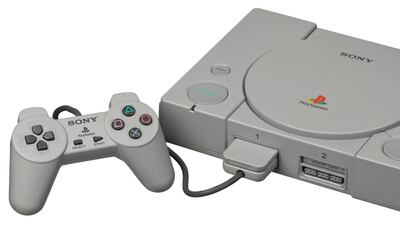
The Sony PlayStation video game console was first released in 1994. This is a Japanese SCPH-1000, which was the very first model of PlayStation commercially released. Wikipedia Commons -
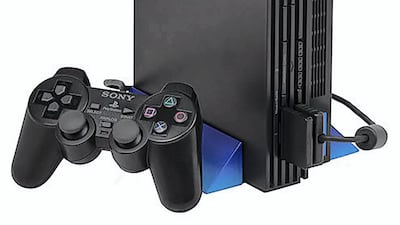
A Sony PlayStation 2, released in the year 2000. It is here shown with 8MB memory card and DualShock 2 controller. Wikipedia Commons -
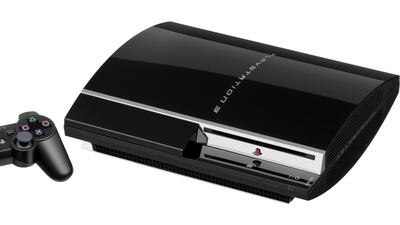
The Sony PlayStation 3 (PS3) video game console, first released in 2006 as the successor to the PlayStation 2. This model is the CECHA01, one of the first two models released. It features a 60GB hard drive, hardware-based backwards compatibility with PS2 games and flash memory card readers. Wikipedia Commons -
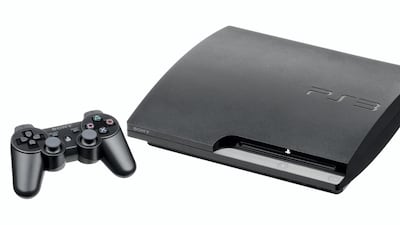
The Sony PlayStation 3 (PS3) video game console, shown with DualShock 3 controller. This is a seventh generation console first released in 2006 as the successor to the PlayStation 2. This model is the 'Slim', model 2001A, the first revision of the PlayStation 3 hardware that was made much lighter and smaller than the previous version. Wikipedia Commons -
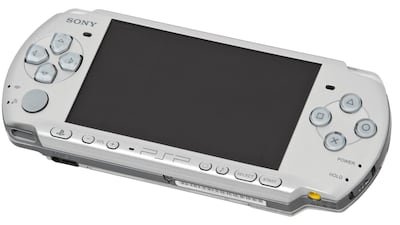
A silver PSP-3000, the third-generation model of the PlayStation Portable portable game console, released in 2008. Wikipedia Commons -

The PSP Go, an alternate model of the PlayStation Portable system from Sony. Released in 2009, it was a UMD-less version of the PSP, relying on digital-only versions of games. It has 16GB of internal storage and can be expanded with a proprietary memory card. Wikipedia Commons -
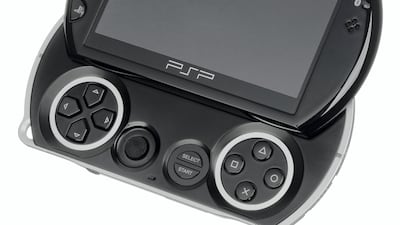
The PSP Go, an alternate model of the PlayStation Portable system from Sony. Released in 2009, it was a UMD-less version of the PSP, relying on digital-only versions of games. It has 16GB of internal storage and can be expanded with a proprietary memory card. Wikipedia Commons -
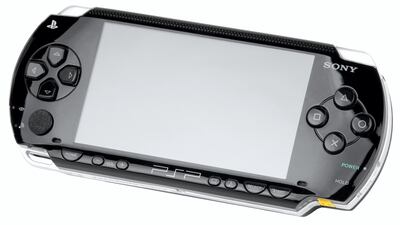
A North American Sony PSP-1000 handheld video game console. This was released in 2009. -
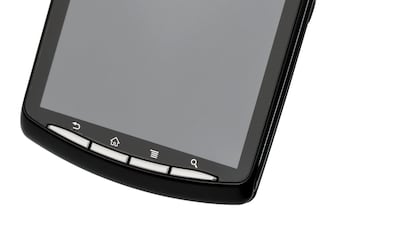
The Sony Xperia Play phone, shown close. Released in 2011, this Android phone featured a slide-out section with traditional game controls, similar to a Sony PSP Go. It was able to play PlayStation Mobile games, which includes ports of original PlayStation games, PSP games and some original titles. Wikipedia Commons -
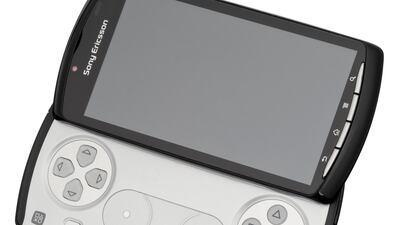
The Sony Xperia Play phone, shown opened. Released in 2011, this Android phone featured a slide-out section with traditional game controls, similar to a Sony PSP Go. It was able to play PlayStation Mobile games, which includes ports of original PlayStation games, PSP games and some original titles. Wikipedia Commons -
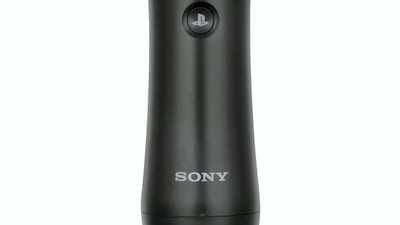
The PlayStation Move controller. A motion-sensing controller for the PlayStation 3 and PlayStation 4, needs to be used in conjunction with the PS Eye or PS4 Camera. Wikipedia Commons -
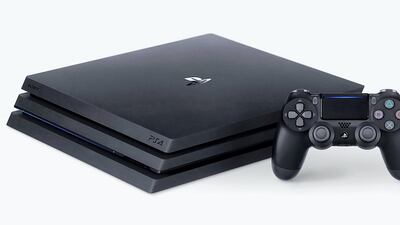
The PlayStation 4 Pro video game console. Produced by Sony and launched worldwide in November 2016, the Pro is an enhanced model of the original PlayStation 4 that offers extra capabilities through an upgraded GPU, faster RAM and a CPU with a higher clock speed. Wikipedia Commons -
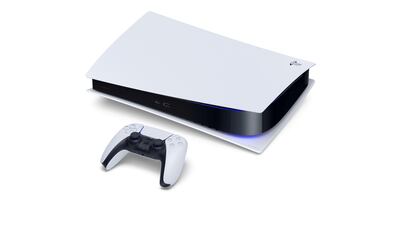
The Sony PlayStation 5 Digital Edition console and DualSense controller. The PS5 came out in November 2020. Photo: Sony Interactive Entertainment


Back in 2013, when PS4 and Xbox One were about to launch, Sony jumped on a fumble from Microsoft and has been running with the ball ever since. Xbox One was the first machine to need an “always on” internet connection to play games. When fans voiced their concerns about not having reliable internet, former Xbox head, Don Mattrick responded, “Fortunately we have a product for people who aren't able to get some form of connectivity: it's called Xbox 360." He alienated a fanbase with one comment by suggesting they stick to the previous generation console. And while that soundbite will likely haunt Xbox forever, Sony built a whole campaign around it. It poked fun at the quote with every press conference and coined its “For The Gamers” tagline for PS4, which – with sledgehammer subtlety – reminded people that the console it had made was for everyone. At the last count PS4 had sold 106 million consoles worldwide compared to Xbox One’s 46 million.
While it’s still early days in the battle for supremacy in the next-gen console wars, the PlayStation 5 presentation will be a hard act to follow. The slickness of the show was well measured, and the mix of games demonstrated that there’s something for the whole family. And the hardware reveal right at the end was the icing on the cake. Two different versions – one with a disc tray and one completely digital – were shown in their eye-catching ice white colour. It really was a superb show, and one that’s likely got even the most ardent Xbox fans tempted to jump ship.
So, what now? Well, Microsoft has already shown its hand with its games and the early reveal of what the Xbox Series X looks like. It’s going to need some showstopping games or tech to be revealed if it’s going to win the next round. Whatever happens, Microsoft cannot afford to wait around. Especially considering it’s already playing catch-up with the current generation of machines.
Time will tell who comes out on top, but in the early stages of the next-gen console war between PlayStation 5 and Xbox Series X, Sony has just commandeered the hype train. Your move, Microsoft.

