
The World Health Organisation said on Monday that it will begin coronavirus testing in north-west Syria this week as concerns mount over the spread of the pandemic in a region torn apart by war.
The health system in Idlib and surrounding areas has been devastated by conflict, which has intensified this year during a government offensive to retake the last rebel-held territory in Syria. Only about half of the hospitals and clinics in this area are useable and up to a million people have been displaced by the violence and now live in temporary housing or crowded camps.
“We are hoping … to have the machinery and the tests sometime this week so we can start testing,” Dr Rick Brennan, emergency director for the region, told Reuters. “And we are very concerned. All of the surrounding countries have documented cases.”
Testing has already begun in some parts of the country that are under regime control. No cases have yet been reported in Syria, but neighbouring Iraq has reported at least 93 cases while Turkey to the north confirmed 29 cases on Monday.
Aid groups have warned the coronavirus pandemic is causing a squeeze on vital supplies and hampering their ability to help some of the world’s most vulnerable people.
Relief organisations said the outbreak was likely to pose an increasing challenge to their work as nations close borders and impose lockdowns.
“We are concerned about our staff being able to deliver programmes safely and having to limit our life-saving work if things get really bad,” said Simona French, a spokeswoman for Islamic Relief Worldwide.
“But Islamic Relief works in some of the world’s most difficult climates, such as Yemen and Syria, and we are well versed in adapting our operations to protect those most in need.”
Jane Howard, a spokeswoman for the World Food Programme, said: “The greatest challenge would be a major disruption of supply chains through border closures. WHO continues to advocate for no restrictions to travel and trade, however, countries will act based on their own risk assessments and some supply chains may be affected.”
-
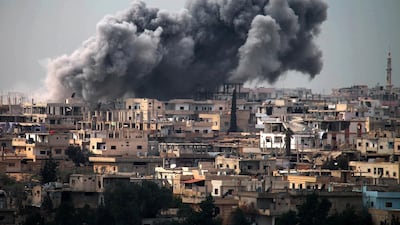
Smoke billows following air strikes on a rebel-held area in the southern city of Daraa on March 16, 2017. AFP -
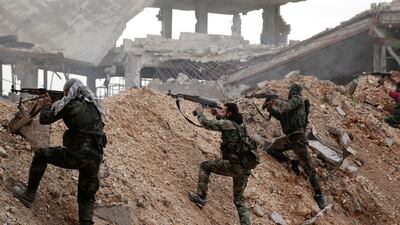
Syrian army soldiers fire their weapons during a battle with rebel fighters at the Ramouseh front line, east of Aleppo, on December 5, 2016. AP Photo -

Russians, Syrians and others gather next to an American military convoy stuck in the village of Khirbet Ammu, east of Qamishli city, on February 12, 2020. AP Photo -
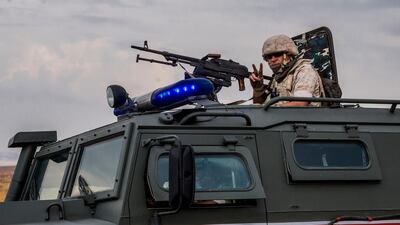
A Russian soldier mans a machine gun during a patrol near the Syrian and Turkish border in north Syria on October 25, 2019. AP Photo -
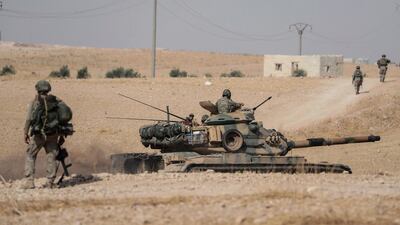
Turkish tanks and troops stationed near Syrian town of Manbij. AP -
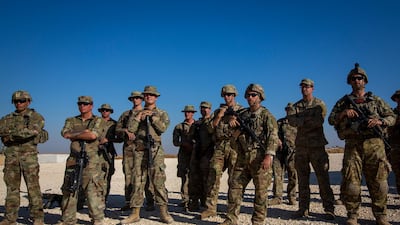
Crew of Bradley fighting vehicles stand at a US military base in north-eastern Syria on November 11, 2019. AP Photo -
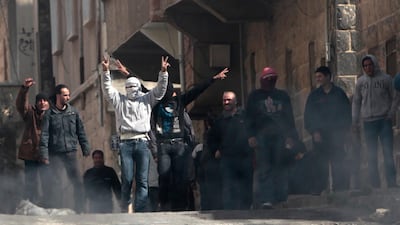
Anti-government protesters flash victory signs as they protest in the southern Syrian city of Daraa on March 23, 2011. AP Photo -
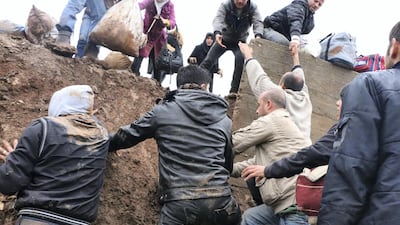
Syrians climb up a mud bank as they flee across fields to reach the Syrian-Turkish border on March 10, 2014. AFP -
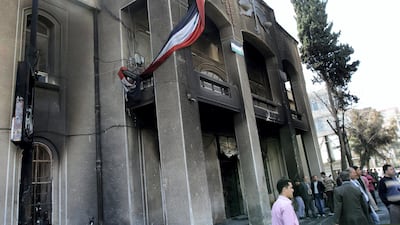
Syrian men gather outside the courthouse in Daraa that was torched a day earlier by angry protesters on March 21, 2011. AFP -
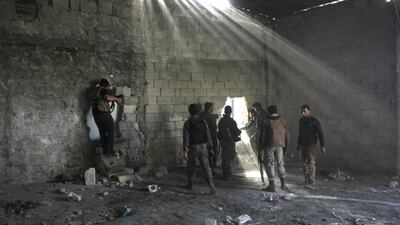
Rebel fighters inside a building during clashes with pro-government forces in the Sheikh Al Said neighbourhood of Aleppo city on November 28, 2013. AFP -
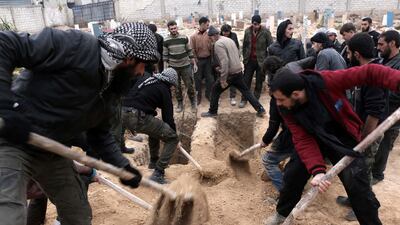
Syrians bury victims in a group funeral following air strikes in the rebel-held city of Douma on January 7, 2016. AFP -
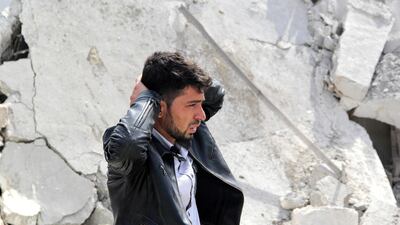
A man reacts to the destruction of his home in an air strike by government forces on the northern Syrian city of Aleppo on February 22, 2014. AFP -
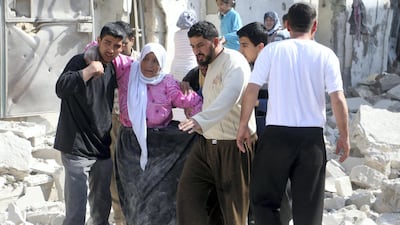
A woman is helped through the rubble of buildings hit by a reported Syrian government air strike in Al Sakhour district of Aleppo city on April 4, 2014. AFP -
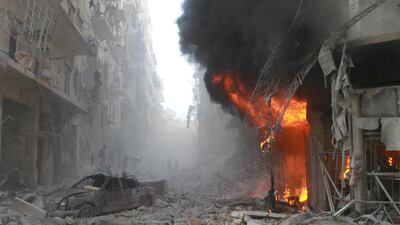
Debris fills a street and flames rise from a building following an air strike by Syrian government forces in the Sukkari neighborhood of Aleppo on March 7, 2014. AFP -
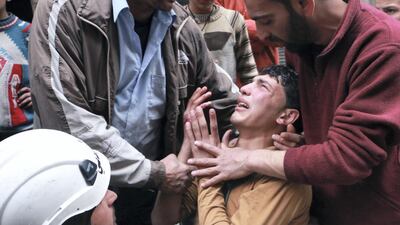
A man is comforted following an air strike by government forces that killed a rescue worker in Aleppo city on March 9, 2014. AFP -
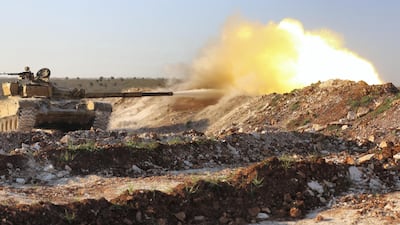
A tank seized by rebel fighters fires at a pro-government position near the Syrian city of Hama on February 19, 2014. AFP -
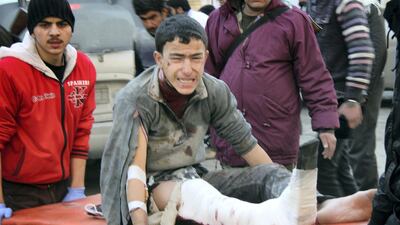
An injured Syrian youth cries as he is carried on a gurney following an air strike in the Maadi neighbourhood of Aleppo city on December 17, 2013. AFP -
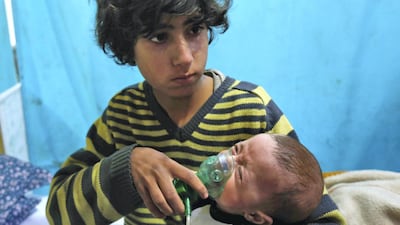
A Syrian boy holds an oxygen mask to an infant's face following a reported gas attack in Douma on January 22, 2018, when the town near Damascus was held by rebels. AFP -
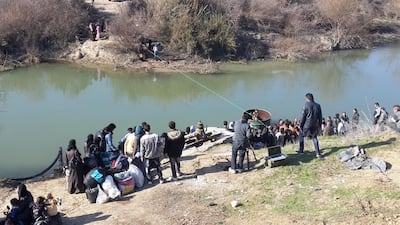
Displaced Syrians wait to enter Turkey from Idlib province across the Orontes river on February 5, 2014. AFP


Iran has the biggest caseload in the region, with almost 13,000 confirmed cases, WHO data suggest. But Brennan, who returned from a mission to Iran only last week, said the cases reported could represent only about a fifth of the real figure. The reason was that testing, as is the case even in some wealthy European countries, was restricted to people showing severe symptoms.
“We’ve said the weakest link in their chain is the data,” he said. “They are rapidly increasing their ability to test, and so the numbers will go up.”

