
An angry red gash down her chest one day, a dark mottled bruise on her arm the next.
The pictures, sent to a mobile application that supports domestic violence survivors in Iran, show the injuries sustained by a woman after being beaten by her husband at home.
Cases such as this have increased dramatically worldwide as coronavirus lockdowns force victims of violence to stay closed in with their abusers.
In some countries, the number of women calling support services has doubled, at a time when healthcare providers and police are already under enormous strain, UN Secretary General Antonio Guterres said this month.
Toranj is a mobile app with services include emergency calling, legal support advice, educational resources and a database of pro-bono counselling clinics in Iran.
It has added 847 new users in the past month, more than four times the 210 added in January and February combined.
Requests for help over social media and the phone have also increased since the pandemic took hold.
Many say that lockdown measures in Iran have exacerbated abusive situations.
"They are complaining that spending more time with their abuser makes the situation harder for them," Toranj's project manager, Shadi Sharifi. told The National.
-

A man walks next to buildings where people stay home in Tehran, Iran on March 26, 2020. WANA / Reuters -
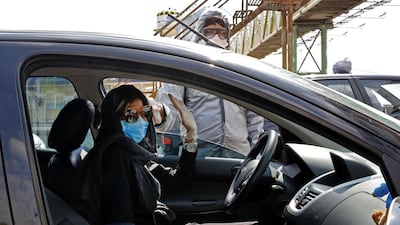
A member of Iranian Red Crescent tests people with possible coronavirus Covid-19 symptoms, as police blocked Tehran to Alborz highway. AFP -
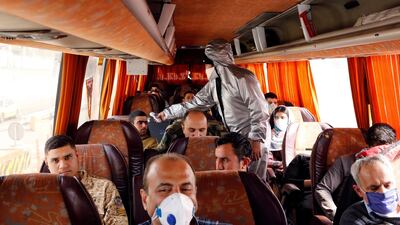
A member of Iranian Red Crescent tests passengers of a bus for possible coronavirus Covid-19 symptoms, as police blocked Tehran to Alborz highway. EPA -
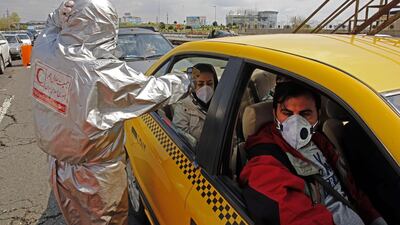
A member of Iranian Red Crescent tests people with possible coronavirus Covid-19 symptoms, as police blocked Tehran to Alborz highway. AFP -

Iranian Red Crescents personnel rest in a tent. EPA -
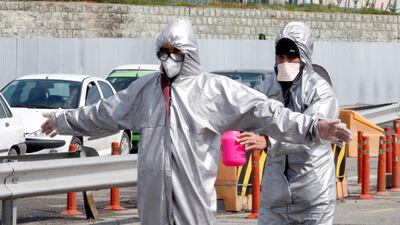
Members of Iranian Red Crescent get themselves disinfected after testing people for possible coronavirus Covid-19 symptoms. EPA -
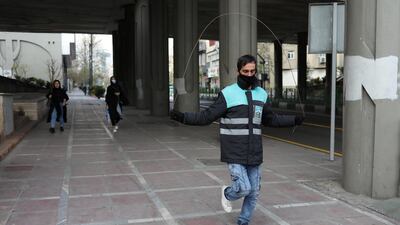
A man jumps rope at Valiasr street in Tehran. WANA / Reuters -

An Iranian army soldier walks past rows of beds at a temporary 2,000-bed hospital for COVID-19 coronavirus patients set up by the army at the international exhibition center in northern Tehran. AP Photo -
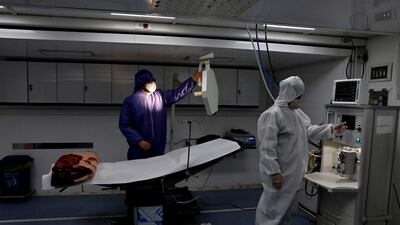
People in protective clothing work in a temporary 2,000-bed hospital for COVID-19 coronavirus patients set up by the Iranian army. AP Photo -
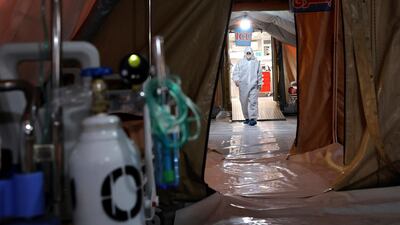
A person in protective clothing walks through a temporary 2,000-bed hospital for COVID-19 coronavirus patients. AP Photo -
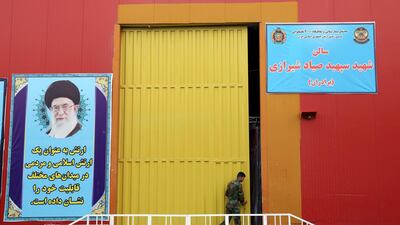
A member of the Iranian Army works at a temporary hospital in Tehran. AP Photo -
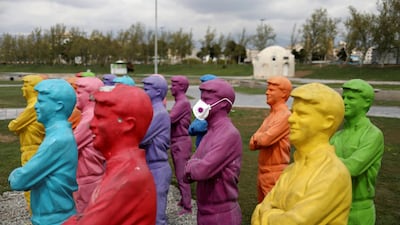
A statue wearing a protective face mask is pictured at Azadi square, in Tehran. WANA / Reuters -
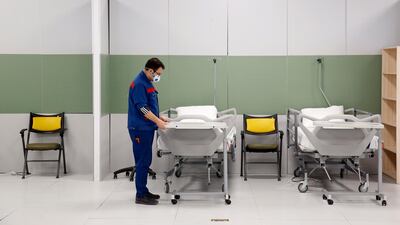
Iranian workers set a temporary emergency hospital in a part of the world's largest shopping mall complex called 'Iran Mall'. EPA -
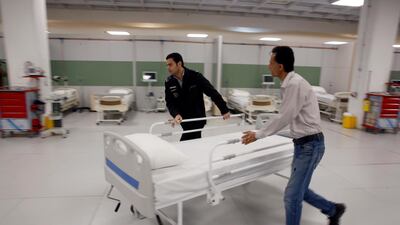
The facility is to treat patients infected with the COVID-19 disease, caused by the SARS-CoV-2 coronavirus, in north-west of the capital of Tehran. EPA -
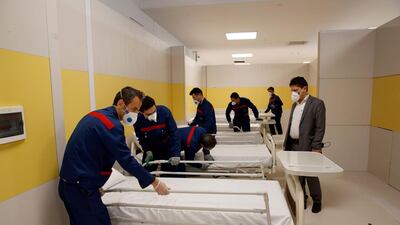
According to the latest report by the Ministry of Health, there are at least 21,638 confirmed cases of coronavirus infections and 1,685 people have died from the virus throughout Iran. EPA -
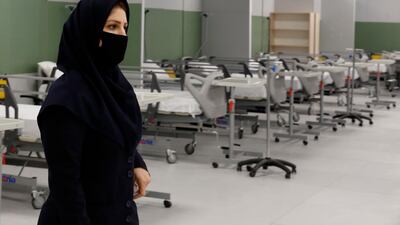
An Iranian woman health inspector checks a temporary emergency hospital in 'Iran Mall'. EPA -
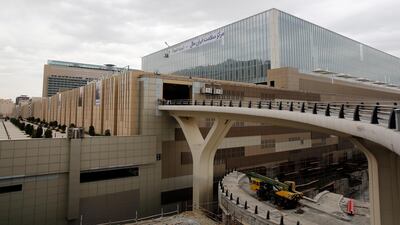
A general view of a temporary emergency hospital in a part of the world's largest shopping mall complex called 'Iran Mall'. EPA -
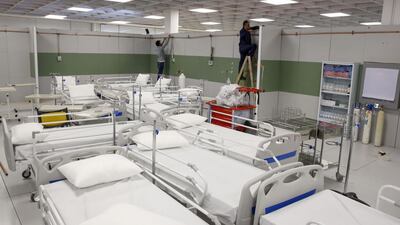
Iranian workers set up a makeshift hospital inside the Iran Mall, northwest of Tehran. AFP -
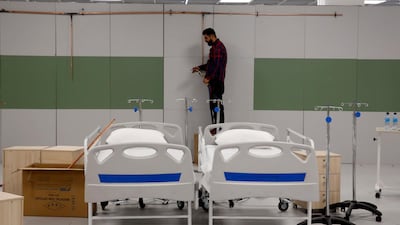
Iran is one of the countries most affected by the devastating pandemic of the coronavirus. EPA -

Iran said that 123 more people had died from coronavirus, raising the official death toll to 1,556 in the Islamic Republic, one of the world's worst affected countries. AFP -
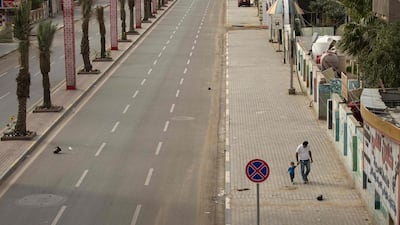
Altogether, more than half of the 18 Iraqi provinces announced curfews for several days in the hopes it could contain the new coronavirus outbreak. AFP


Job losses caused by the pandemic are another reason many are spending more time with abusive partners or family members.
“They are becoming more financially dependent,” Ms Sharifi said.
Toran enables users to send alerts to selected contacts when they feel under threat. It has been downloaded more than 65,000 times.
But providing support in the current environment is challenging, Ms Sharifi said.
“Reaching victims is harder than before for shelters and our network team in Iran," she said.
"We stopped our workshop sessions and household visits, which were very practical ways for us to help victims.”
There has been a surge in domestic violence reports across the region since the coronavirus lockdowns began.
Rights groups have warned that the nature of the violence has also become more severe, pushing back hard-won gains in protection for victims.
“With the cases that are turning up at the shelters right now, we’re seeing a violence more severe than before the financial crisis and even during the revolution,” Ghida Anani, founder and director of women's shelter operator Abaad in Lebanon, told Reuters
This includes more death threats.
Calls to helplines in Lebanon have doubled compared to the same month last year, with domestic violence cases up by about 20 per cent.
In Jordan, the video of a victim describing her abuse under lockdown went viral and footage of a woman screaming in pain after being set on fire, allegedly by her husband, in Iraq has caused uproar.
The UN has appealed to governments to make women's safety a priority in their pandemic response plans, and push back against the "horrifying surge" in violence worldwide.

