
The UK will see a surge in coronavirus cases later this year, even if most of the population is vaccinated, Boris Johnson’s top scientific advisers warned on Tuesday.
Prof Chris Whitty, chief medical officer for England, also said that “things can quickly get bad” and “a lot more people will die” if restrictions are eased too quickly.
He said there was minimal scope to speed up the UK’s roadmap out of lockdown, with five weeks required between each step to analyse the effect of lifting restrictions on case numbers.
Most Covid-19 measures are due to be dropped by June 21, but some MPs are pushing for that date to be brought forward due to the success of the UK’s vaccination programme.
-
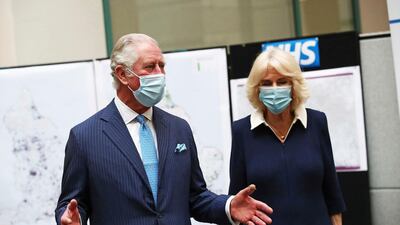
Prince Charles and Camilla visit Skipton House, London, where they are meeting NHS England and Ministry of Defence staff involved in the vaccine rollout. AP Photo -

Prince Charles speaks with Chief Executive of the National Health Service in England Sir Simon Stevens during the visit to Skipton House. AP Photo -

Prince Charles and Camilla speak to Chief Nursing Officer for England Ruth May at Skipton House. AP Photo -

Prince Charles visits Jesus House church to see an NHS vaccine pop-up clinic in action in London. Getty Images -
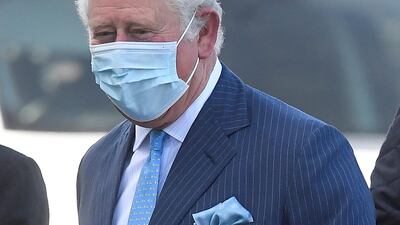
Prince Charles arrives at Jesus House church. Reuters -
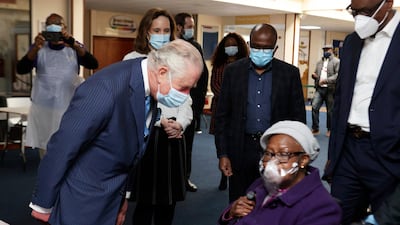
Prince Charles speaks with a member of the public during the visit. AP Photo -
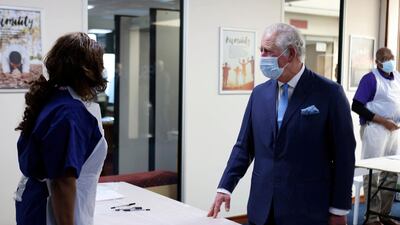
Prince Charles was shown round by Pastor Agu Irukwu and learnt about community work to combat vaccine hesitancy and support for the community during the coronavirus pandemic. Getty Images -
Prince Charles speaks with a member of staff. AP Photo -

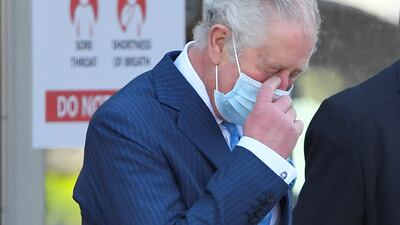
Prince Charles adjusts his maks as he leaves Jesus House church. Reuters


More than 22.3 million people have received the first dose of the Covid-19 vaccine in the UK, according to government figures.
But Prof Whitty said vaccines are “not 100 per cent effective” and some people will not be inoculated against Covid-19.
He said young people in particular would remain major spreaders of the virus.
"At some point we will get a surge in the virus," he said, adding that the disease will find a way to spread to unvaccinated people.
"It may happen later in the summer if we open up gradually, or there is the seasonal effect and it might happen over the autumn and winter."
He said the UK was taking “big blocks of risk” with the current easing measures, advising MPs against speeding up the programme.
"If you open up too fast, a lot more people die,” he said.
"If we unlock too quickly we would get a substantial surge while a lot of people are not protected.”
In a further warning, Prof Whitty said moves to tighten measures in Europe following another surge demonstrated why “this is not all over”.
“I think it's very easy to forget quite how quickly things can turn bad if you don't keep a very very close eye on it,” he said.
"If you start shunting things forward you will get these higher peaks."
England’s chief scientific adviser Sir Patrick Vallance said it would take a long time for the UK to eradicate Covid-19.
He said further mutations of the virus might be in transmission outside the UK because some countries do not have the capacity to detect them.
"I do not think we will stop new variants emerging,” he said.
"Just as the flu virus changes every year – so I would expect this virus to change over time. I do not think zero-Covid is possible ... nothing suggests this virus is going to go away soon."
The UK reported another 65 deaths from Covid-19 on Monday – the lowest daily death toll since early October. A further 4,712 Covid-19 cases were recorded.

