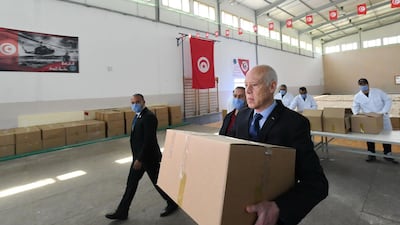
The Tunisian parliament voted confidence in the technocratic government proposed by Prime Minister Hichem Mechichi in the early hours of Wednesday.
The new government, which required 109 of the 217-member body to vote in favour, eventually passed with 134 votes.
This is the third government to oversee Tunisia since the legislative elections in October last year, continuing a legacy of political turmoil that has dogged the country through its recent history.
Opening the plenary session on Tuesday morning, Mr Mechichi told parliament that he intended to halt the “bleeding” of public finances, by relaunching oil and phosphate production in Tunisia’s south, both subject to regular interruptions by protests over employment. He also outlined plans to overhaul the country’s bureaucracy, maintaining the state’s spending power in order to protect the country’s most vulnerable.
Following the resignation of former Prime Minister Elias Fakhfakh in July after corruption allegations, Tunisian President Kais Saied – a political independent – stepped in to designate his own adviser and Interior Minister Hichem Mechichi to fill the void in an apparent bid to break with the country's party system.
Tasked with forming a technocratic government outside of the parties, Mr Mechichi’s efforts have proven controversial. Faced with opposition from the Democratic Current, which holds 38 seats and, initially, the self-styled Muslim Democrats, Ennahda, who hold a plurality within parliament and claimed the proposals ran counter to the nature of parliamentary democracy.
However, following an eleventh hour and heavily caseated U-Turn by Ennahda during the early hours of Monday morning, as well the support of the second largest party, Qalb Tounes, the vote’s passage was largely assured.
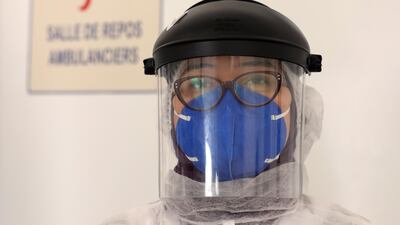
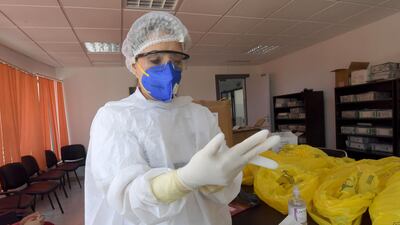
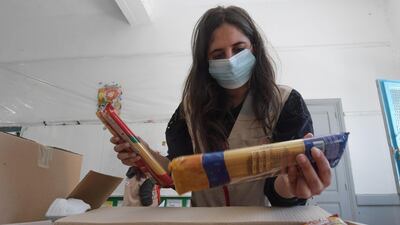
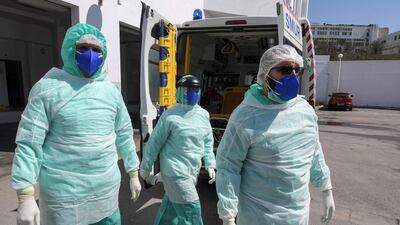
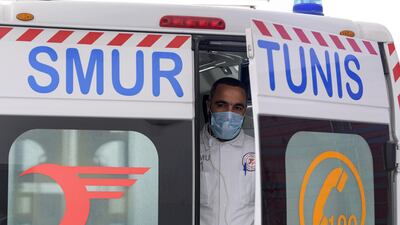
The task ahead of the government is significant. The threat posed by the global coronavirus pandemic, which appeared to be abating following an early lockdown is again on the rise, though numbers remain comparatively small in global terms.
However, its economic impact may yet prove a greater hurdle. In June, as the loss in general trade, as well as the absence of the year’s vital tourism revenue became apparent, the country’s investment minister forecast the economy could contract by as much as 7 per cent, the steepest drop since the country won independence from France in 1956.
Unemployment, which averages around 18 per cent nationwide, reaches as high as 30 per cent in parts of Tunisia’s marginalised interior. By the end of this year, according to a joint study carried out by the Tunisian government and the United Nations, that figure is expected to increase to 21.1 per cent.
Youth unemployment is especially high, with the World Bank citing joblessness between 15 and 24 year olds running to 36 per cent last year.
"PM Mechichi has a Herculean task ahead of him," Sharan Grewal, a visiting fellow at the Brookings Institution in the US, told The National. "He has to rescue Tunisia from what is expected to be its worst economic crisis, address a re-emergence in coronavirus cases, and restore confidence in a government whose last occupant was brought down on corruption allegations.
“In theory, having a technocratic government should help: it will not be internally divided along partisan lines like the previous government, and should be more willing to take the risks the country needs without fear of punishment at the polls.”
However, divisions caused by the sidelining of Tunisia’s parties may come at a cost, Dr Grewal explained.
“PM Mechichi is also caught between the escalating institutional rivalry between the president and the parliament, a rivalry that nearly derailed his confidence vote already. Without a constitutional court, (which has yet to be established) to adjudicate the powers of each institution, much will depend on Mechichi and his personality. A smooth and successful tenure will require Mechichi to satisfy all sides,” Dr Grewal concluded.
Exacerbating the newly installed Prime Minister’s difficulties will be negotiations with Tunisia's key donors who are seeking reform in return for continued aid. Outside of an emergency loan of $743 million granted to the country by the International Monetary Fund, (IMF) to help counter the pandemic in April, are the series of loans worth $2.8 billion agreed with the body in 2016. Negotiations over a further payment were suspended in July following the resignation of Mr Fakhfakh.
Many of the reforms mandated by the IMF to secure that payment, such as liberalising Tunisia’s sclerotic economy, will likely encounter political resistance, both in parliament and in the street. Last year, reacting to many of the conditions laid out by the IMF, the country’s powerful general trade union, the UGTT led a general strike that all but paralysed the North African country.

Brahmastra%3A%20Part%20One%20-%20Shiva
%3Cp%3E%3Cstrong%3EDirector%3A%20%3C%2Fstrong%3EAyan%20Mukerji%3C%2Fp%3E%0A%3Cp%3E%3Cstrong%3EStars%3A%20%3C%2Fstrong%3ERanbir%20Kapoor%2C%20Alia%20Bhatt%20and%20Amitabh%20Bachchan%3C%2Fp%3E%0A%3Cp%3E%3Cstrong%3ERating%3A%3C%2Fstrong%3E%202%2F5%3C%2Fp%3E%0A
Milestones on the road to union
1970
October 26: Bahrain withdraws from a proposal to create a federation of nine with the seven Trucial States and Qatar.
December: Ahmed Al Suwaidi visits New York to discuss potential UN membership.
1971
March 1: Alex Douglas Hume, Conservative foreign secretary confirms that Britain will leave the Gulf and “strongly supports” the creation of a Union of Arab Emirates.
July 12: Historic meeting at which Sheikh Zayed and Sheikh Rashid make a binding agreement to create what will become the UAE.
July 18: It is announced that the UAE will be formed from six emirates, with a proposed constitution signed. RAK is not yet part of the agreement.
August 6: The fifth anniversary of Sheikh Zayed becoming Ruler of Abu Dhabi, with official celebrations deferred until later in the year.
August 15: Bahrain becomes independent.
September 3: Qatar becomes independent.
November 23-25: Meeting with Sheikh Zayed and Sheikh Rashid and senior British officials to fix December 2 as date of creation of the UAE.
November 29: At 5.30pm Iranian forces seize the Greater and Lesser Tunbs by force.
November 30: Despite a power sharing agreement, Tehran takes full control of Abu Musa.
November 31: UK officials visit all six participating Emirates to formally end the Trucial States treaties
December 2: 11am, Dubai. New Supreme Council formally elects Sheikh Zayed as President. Treaty of Friendship signed with the UK. 11.30am. Flag raising ceremony at Union House and Al Manhal Palace in Abu Dhabi witnessed by Sheikh Khalifa, then Crown Prince of Abu Dhabi.
December 6: Arab League formally admits the UAE. The first British Ambassador presents his credentials to Sheikh Zayed.
December 9: UAE joins the United Nations.
Company%20Profile
%3Cp%3E%3Cstrong%3EName%3A%3C%2Fstrong%3E%20Takestep%0D%3Cbr%3E%3Cstrong%3EStarted%3A%3C%2Fstrong%3E%20March%202018%0D%3Cbr%3E%3Cstrong%3EFounders%3A%3C%2Fstrong%3E%20Mohamed%20Khashaba%2C%20Mohamed%20Abdallah%2C%20Mohamed%20Adel%20Wafiq%20and%20Ayman%20Taha%0D%3Cbr%3E%3Cstrong%3EBased%3A%3C%2Fstrong%3E%20Cairo%2C%20Egypt%0D%3Cbr%3E%3Cstrong%3ESector%3A%3C%2Fstrong%3E%20health%20technology%0D%3Cbr%3E%3Cstrong%3EEmployees%3A%3C%2Fstrong%3E%20%2011%20full%20time%20and%2022%20part%20time%0D%3Cbr%3E%3Cstrong%3EInvestment%20stage%3A%3C%2Fstrong%3E%20pre-Series%20A%3C%2Fp%3E%0A
Padmaavat
Director: Sanjay Leela Bhansali
Starring: Ranveer Singh, Deepika Padukone, Shahid Kapoor, Jim Sarbh
3.5/5
The%20Roundup%20%3A%20No%20Way%20Out
%3Cp%3E%3Cstrong%3EDirector%3A%3C%2Fstrong%3E%20Lee%20Sang-yong%3Cbr%3E%3Cstrong%3EStars%3A%3C%2Fstrong%3E%20Don%20Lee%2C%20Lee%20Jun-hyuk%2C%20Munetaka%20Aoki%3Cbr%3E%3Cstrong%3ERating%3A%20%3C%2Fstrong%3E3%2F5%3Cbr%3E%3Cbr%3E%3C%2Fp%3E%0A
'The Ice Road'
Director: Jonathan Hensleigh
Stars: Liam Neeson, Amber Midthunder, Laurence Fishburne
2/5
UAE currency: the story behind the money in your pockets
Specs%20
%3Cp%3E%3Cstrong%3EPower%20train%3A%20%3C%2Fstrong%3E4.0-litre%20twin-turbo%20V8%20and%20synchronous%20electric%20motor%3Cbr%3E%3Cstrong%3EMax%20power%3A%20%3C%2Fstrong%3E800hp%3Cbr%3E%3Cstrong%3EMax%20torque%3A%20%3C%2Fstrong%3E950Nm%3Cbr%3E%3Cstrong%3ETransmission%3A%20%3C%2Fstrong%3EEight-speed%20auto%3Cbr%3E%3Cstrong%3EBattery%3A%20%3C%2Fstrong%3E25.7kWh%20lithium-ion%3Cbr%3E0-100km%2Fh%3A%203.4sec%3Cbr%3E0-200km%2Fh%3A%2011.4sec%3Cbr%3E%3Cstrong%3ETop%20speed%3A%20%3C%2Fstrong%3E312km%2Fh%3Cbr%3E%3Cstrong%3EMax%20electric-only%20range%3A%3C%2Fstrong%3E%2060km%20(claimed)%3Cbr%3E%3Cstrong%3EOn%20sale%3A%3C%2Fstrong%3E%20Q3%3Cbr%3E%3Cstrong%3EPrice%3A%20%3C%2Fstrong%3EFrom%20Dh1.2m%20(estimate)%3Cbr%3E%3Cbr%3E%3C%2Fp%3E%0A
Company%20Profile
%3Cp%3E%3Cstrong%3EName%3A%3C%2Fstrong%3E%20Ovasave%3Cbr%3E%3Cstrong%3EStarted%3A%3C%2Fstrong%3E%20November%202022%3Cbr%3E%3Cstrong%3EFounders%3A%3C%2Fstrong%3E%20Majd%20Abu%20Zant%20and%20Torkia%20Mahloul%3Cbr%3E%3Cstrong%3EBased%3A%3C%2Fstrong%3E%20Abu%20Dhabi%3Cbr%3E%3Cstrong%3ESector%3A%3C%2Fstrong%3E%20Healthtech%3Cbr%3E%3Cstrong%3ENumber%20of%20staff%3A%3C%2Fstrong%3E%20Three%20employees%3Cbr%3E%3Cstrong%3EInvestment%20stage%3A%3C%2Fstrong%3E%20Pre-seed%3Cbr%3E%3Cstrong%3EInvestment%3A%3C%2Fstrong%3E%20%24400%2C000%3C%2Fp%3E%0A
COMPANY PROFILE
Name: HyperSpace
Started: 2020
Founders: Alexander Heller, Rama Allen and Desi Gonzalez
Based: Dubai, UAE
Sector: Entertainment
Number of staff: 210
Investment raised: $75 million from investors including Galaxy Interactive, Riyadh Season, Sega Ventures and Apis Venture Partners
What the law says
Micro-retirement is not a recognised concept or employment status under Federal Decree Law No. 33 of 2021 on the Regulation of Labour Relations (as amended) (UAE Labour Law). As such, it reflects a voluntary work-life balance practice, rather than a recognised legal employment category, according to Dilini Loku, senior associate for law firm Gateley Middle East.
“Some companies may offer formal sabbatical policies or career break programmes; however, beyond such arrangements, there is no automatic right or statutory entitlement to extended breaks,” she explains.
“Any leave taken beyond statutory entitlements, such as annual leave, is typically regarded as unpaid leave in accordance with Article 33 of the UAE Labour Law. While employees may legally take unpaid leave, such requests are subject to the employer’s discretion and require approval.”
If an employee resigns to pursue micro-retirement, the employment contract is terminated, and the employer is under no legal obligation to rehire the employee in the future unless specific contractual agreements are in place (such as return-to-work arrangements), which are generally uncommon, Ms Loku adds.
MATCH INFO
Barcelona v Real Madrid, 11pm UAE
Match is on BeIN Sports
How it works
Booklava works on a subscription model. On signing up you receive a free book as part of a 30-day-trial period, after which you pay US$9.99 (Dh36.70) per month to gain access to a library of books and discounts of up to 30 per cent on selected titles. You can cancel your subscription at any time. For more details go to www.booklava.com
Our family matters legal consultant
Name: Dr Hassan Mohsen Elhais
Position: legal consultant with Al Rowaad Advocates and Legal Consultants.
Match statistics
Dubai Sports City Eagles 8 Dubai Exiles 85
Eagles
Try: Bailey
Pen: Carey
Exiles
Tries: Botes 3, Sackmann 2, Fourie 2, Penalty, Walsh, Gairn, Crossley, Stubbs
Cons: Gerber 7
Pens: Gerber 3
Man of the match: Tomas Sackmann (Exiles)
The years Ramadan fell in May
RESULTS
Bantamweight:
Zia Mashwani (PAK) bt Chris Corton (PHI)
Super lightweight:
Flavio Serafin (BRA) bt Mohammad Al Khatib (JOR)
Super lightweight:
Dwight Brooks (USA) bt Alex Nacfur (BRA)
Bantamweight:
Tariq Ismail (CAN) bt Jalal Al Daaja (JOR)
Featherweight:
Abdullatip Magomedov (RUS) bt Sulaiman Al Modhyan (KUW)
Middleweight:
Mohammad Fakhreddine (LEB) bt Christofer Silva (BRA)
Middleweight:
Rustam Chsiev (RUS) bt Tarek Suleiman (SYR)
Welterweight:
Khamzat Chimaev (SWE) bt Mzwandile Hlongwa (RSA)
Lightweight:
Alex Martinez (CAN) bt Anas Siraj Mounir (MAR)
Welterweight:
Jarrah Al Selawi (JOR) bt Abdoul Abdouraguimov (FRA)
Quick%20facts
%3Cul%3E%0A%3Cli%3EStorstockholms%20Lokaltrafik%20(SL)%20offers%20free%20guided%20tours%20of%20art%20in%20the%20metro%20and%20at%20the%20stations%3C%2Fli%3E%0A%3Cli%3EThe%20tours%20are%20free%20of%20charge%3B%20all%20you%20need%20is%20a%20valid%20SL%20ticket%2C%20for%20which%20a%20single%20journey%20(valid%20for%2075%20minutes)%20costs%2039%20Swedish%20krone%20(%243.75)%3C%2Fli%3E%0A%3Cli%3ETravel%20cards%20for%20unlimited%20journeys%20are%20priced%20at%20165%20Swedish%20krone%20for%2024%20hours%3C%2Fli%3E%0A%3Cli%3EAvoid%20rush%20hour%20%E2%80%93%20between%209.30%20am%20and%204.30%20pm%20%E2%80%93%20to%20explore%20the%20artwork%20at%20leisure%3C%2Fli%3E%0A%3C%2Ful%3E%0A
Mercer, the investment consulting arm of US services company Marsh & McLennan, expects its wealth division to at least double its assets under management (AUM) in the Middle East as wealth in the region continues to grow despite economic headwinds, a company official said.
Mercer Wealth, which globally has $160 billion in AUM, plans to boost its AUM in the region to $2-$3bn in the next 2-3 years from the present $1bn, said Yasir AbuShaban, a Dubai-based principal with Mercer Wealth.
“Within the next two to three years, we are looking at reaching $2 to $3 billion as a conservative estimate and we do see an opportunity to do so,” said Mr AbuShaban.
Mercer does not directly make investments, but allocates clients’ money they have discretion to, to professional asset managers. They also provide advice to clients.
“We have buying power. We can negotiate on their (client’s) behalf with asset managers to provide them lower fees than they otherwise would have to get on their own,” he added.
Mercer Wealth’s clients include sovereign wealth funds, family offices, and insurance companies among others.
From its office in Dubai, Mercer also looks after Africa, India and Turkey, where they also see opportunity for growth.
Wealth creation in Middle East and Africa (MEA) grew 8.5 per cent to $8.1 trillion last year from $7.5tn in 2015, higher than last year’s global average of 6 per cent and the second-highest growth in a region after Asia-Pacific which grew 9.9 per cent, according to consultancy Boston Consulting Group (BCG). In the region, where wealth grew just 1.9 per cent in 2015 compared with 2014, a pickup in oil prices has helped in wealth generation.
BCG is forecasting MEA wealth will rise to $12tn by 2021, growing at an annual average of 8 per cent.
Drivers of wealth generation in the region will be split evenly between new wealth creation and growth of performance of existing assets, according to BCG.
Another general trend in the region is clients’ looking for a comprehensive approach to investing, according to Mr AbuShaban.
“Institutional investors or some of the families are seeing a slowdown in the available capital they have to invest and in that sense they are looking at optimizing the way they manage their portfolios and making sure they are not investing haphazardly and different parts of their investment are working together,” said Mr AbuShaban.
Some clients also have a higher appetite for risk, given the low interest-rate environment that does not provide enough yield for some institutional investors. These clients are keen to invest in illiquid assets, such as private equity and infrastructure.
“What we have seen is a desire for higher returns in what has been a low-return environment specifically in various fixed income or bonds,” he said.
“In this environment, we have seen a de facto increase in the risk that clients are taking in things like illiquid investments, private equity investments, infrastructure and private debt, those kind of investments were higher illiquidity results in incrementally higher returns.”
The Abu Dhabi Investment Authority, one of the largest sovereign wealth funds, said in its 2016 report that has gradually increased its exposure in direct private equity and private credit transactions, mainly in Asian markets and especially in China and India. The authority’s private equity department focused on structured equities owing to “their defensive characteristics.”