

The old hoardings are coming down, roads reopening and an army of workers are putting the finishing touches to Abu Dhabi’s oldest stone building.
But when people cross into Qasr Al Hosn again at 4pm on Friday, it is more than an old fort reopening.
The small businesses, traders and residents who live and work in the birthplace of Abu Dhabi city are hoping that the redeveloped Qasr Al Hosn will boost trade and improve footfall.
The Muhairy Centre is an older style shopping mall fronting onto Qasr Al Hosn. It is similar to many of the centres that sprang up in the city during the 80s and 90s and is a world apart from lavish malls such as Yas.
The ceilings are low, two of the top floors are empty and on Wednesday afternoon, the mall is quiet.
One solitary guest sips a Turkish coffee on the ground floor cafe, while a few workers pass through to use the bank. Jenny Aceveda has worked at the centre’s Beenas clothing shop for the past ten years.
Business is down.
“We are waiting for Qasr Al Hosn to open,” said Ms Aceveda, who is from the Philippines and has worked here for the past 10 years.
“It will become a tourist attraction so maybe people will come here too. This is what we are hoping."

A short walk away is the Tikka Derbar restaurant, a Pakistani eatery serving up steaming plates of mutton and chicken with rice. The restaurant opened six months ago and here too business has been slow.
"We hope this will bring life back to the old town, especially in the evening," said Muhammed Qureshi, the 42 year old manager from Pakistan. "We are counting on it."
Early photos of the Hosn area show a simple stone fort surrounded by palm trees. This remained unchanged for centuries.
Even by 1962, when oil shipments had left Abu Dhabi for the first time, progress was frustratingly slow.
Many people still lived in palm frond barasti huts, drank brackish water from wells and poverty lingered.

But by the 1970s oil revenues had begun to make their mark.
An aerial photograph taken in 1974 by British resident, Ron McCulloch, showed new paved roads, roundabouts and the emergence of what we recognise today as Hamdan Street and the Corniche.
Small villas sprang up, then three and four-storey residential towers to cater for the influx of workers on the back of the oil boom.
By the 1980s, the Cultural Foundation building had been added. For generations who grew up in Abu Dhabi during the 80s and 90s, the foundation was a place to watch films and learn music.
"We feel nostalgia here," said Moza, an Emirati who was collecting flowers from a shop close to the fort.
"For 80s and 90s kids who grew up in Abu Dhabi, it will be amazing to see the Cultural Foundation open again," she said.

"It is the heart of everything here, more people could come and I think we will see more restaurants on these streets."
Many Emiratis left the old town over the past 20 years as the city expanded. A multi-national mix of bachelors, the name given to single men who work here alone, Arab families, Europeans and some Emiratis live in the Hosn area today.
The tallest skyscaper in Abu Dhabi, Burj Mohammed Bin Rashid, now towers over Qasr Al Hosn and in just one city block, the story of Abu Dhabi's transformation from a simple stone fort to modern city can be seen. Brewster Rodrigues, 32, has lived in a tower block overlooking the fort for the past 10 years. He has had a front row seat to the renovation. “The area has changed a lot over ten years,” he said. “We have had new buildings go up, older ones demolished and more street life developing,” said Mr Rodrigues, 32, who is from Goa in India.
“I’ve seen all the work. Qasr Al Hosn will capture the eyes of the people.”
As the sun sets, it casts a warm orange glow over the old fort’s restored walls. Workers start to return home, people sit on the curb sipping karak chai, while passersby snap photographs of the renovated fort.
An entire city block has been closed off for a decade. But from Friday, people will be able to walk around the new plaza, sit under the shade of new palm trees and relax in the site where it all started a few centuries ago.
New currents of life are returning to the old town and a city's historic heart beats again.
______________
Qasr Al Hosn
-

Sheikh Mohamed bin Zayed, Crown Prince of Abu Dhabi and Deputy Supreme Commander of the UAE Armed Forces, tours the Qasr Al Hosn Festival. All photos by Ministry of Presidential Affairs -
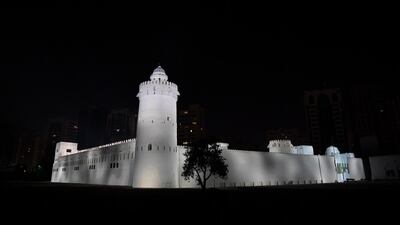
Performers participate in a show during the opening of Qasr Al Hosn. -

Performers participate in a show during the opening of Qasr Al Hosn. -

Performers participate in a show during the opening of Qasr Al Hosn. -

Performers participate in a show during the opening of Qasr Al Hosn. -
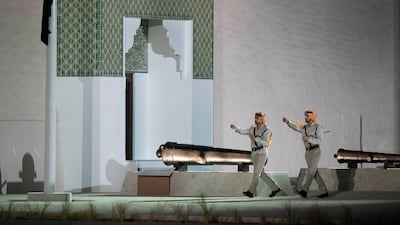
Performers participate in a show during the opening of Qasr Al Hosn. -
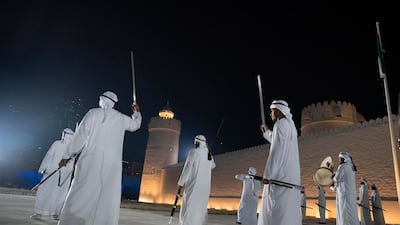
Performers participate in a show during the opening of Qasr Al Hosn. -
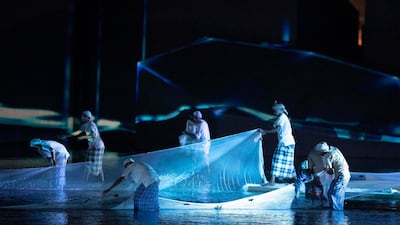
Performers participate in a show during the opening of Qasr Al Hosn. -
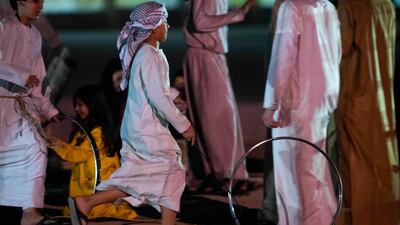
Performers participate in a show during the opening of Qasr Al Hosn. -
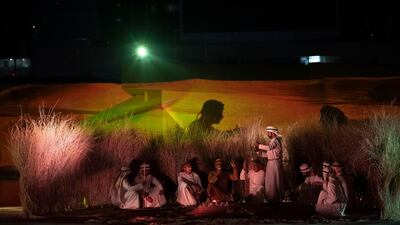
Performers participate in a show during the opening of Qasr Al Hosn. -
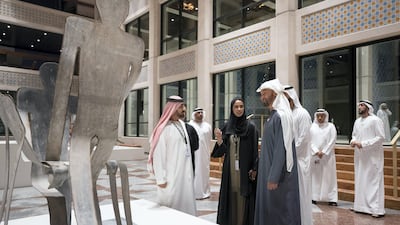
Sheikh Mohamed bin Zayed visits the cultural centre at the Qasr Al Hosn Festival. -
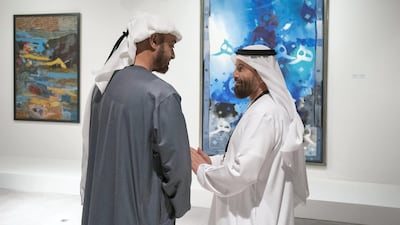
Sheikh Mohamed bin Zayed speaks with an artist while visiting the Qasr Al Hosn Festival. -
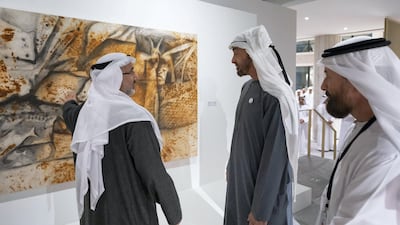
Sheikh Mohamed bin Zayed speaks with an artist while visiting the Qasr Al Hosn Festival. -

Sheikh Mohamed bin Zayed visits the House of Artisans at the Qasr Al Hosn Festival. -
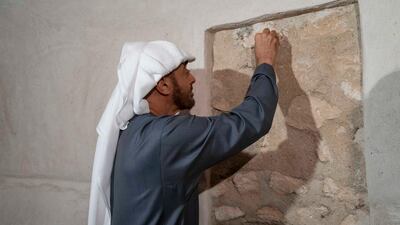
Sheikh Mohamed bin Zayed views restoration work during the opening of Qasr Al Hosn. -
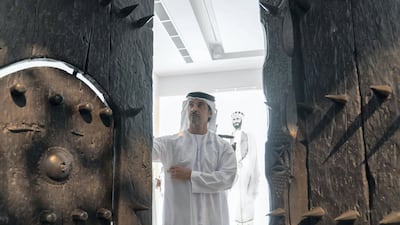
Sheikh Hazza bin Zayed Al Nahyan, Vice Chairman of the Abu Dhabi Executive Council, views restoration work during the opening of Qasr Al Hosn. -
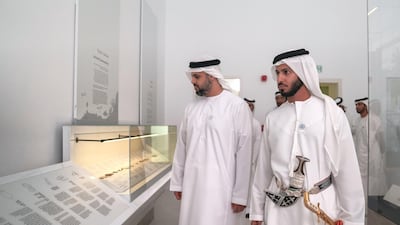
Sheikh Theyab bin Mohamed bin Zayed Al Nahyan, Chairman of the Department of Transport, and Abu Dhabi Executive Council Member, left; and Sheikh Zayed bin Hamad bin Hamdan Al Nahyan view a display in the Qasr Al Hosn exhibition and museum. -
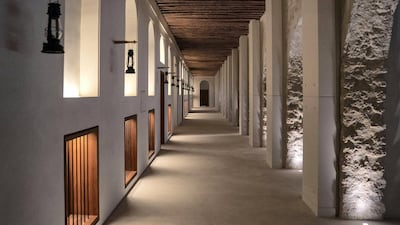
A general view of Qasr Al Hosn.


The first glimpse of the newly renovated Qasr Al Hosn, which tells the story of Abu Dhabi
The Good Old Days: Facebook group chronicles evolution of Abu Dhabi through its residents
A disappearing way of life: inside Abu Dhabi's old Tourist Club

