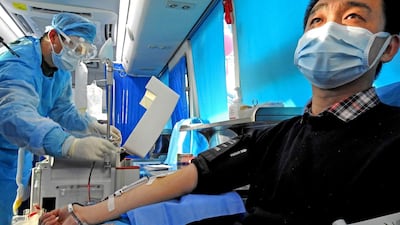
An Emirati man, 29, became one of the first recovered coronavirus patients to donate his plasma to treat others still battling the virus in Abu Dhabi, it was announced on Sunday.
Sheikh Khalifa Medical City said the plasma was given intravenously to an infected patient being treated at the hospital.
Dr Fatima Al Kaabi, head of haematology and oncology, said doctors were monitoring the patient, who has moderate to severe symptoms, to test the treatment’s effectiveness.
“We are still waiting for the results of this treatment and we are optimistic that it will be promising," Dr Al Kaabi said. "We expect the patient’s condition to improve soon."
On Saturday, Dr Farida Al Hosani, spokeswoman for the UAE's health sector, said plasma treatment was being used in hospitals across the country.
Dr Al Hosani said the UAE was leaving no stone unturned to identify the best treatments and research studies to assist medical work.
That included looking into the use of the anti-malaria drug, hydroxychloroquine.
The use of plasma to treat Covid-19 was approved by the US Food and Drug Administration and has been adopted in hospitals worldwide.
Doctors have found that between 40 and 50 per cent of patients who undergo the treatment show promising results.
It is also being used in Dubai, the emirate’s health authority said on Sunday.
"There are criteria for selecting blood plasma recipients,” Dr Al Kaabi said.
Recipients must be aged between 16 and 75, and their condition must be moderate to severe.
-
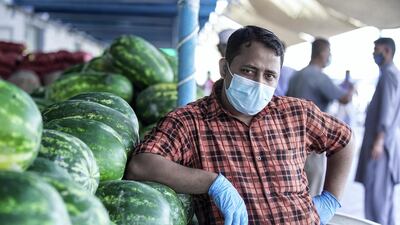
A fruit vendor with his watermelons at the Abu Dhabi Fruits and Vegetables Market during the Coronavirus epidemic. Victor Besa / The National -
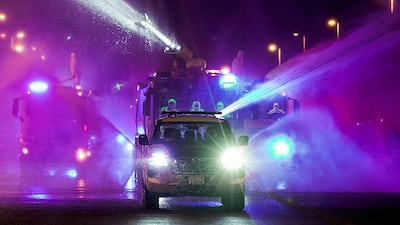
Abu Dhabi Civil Defence and Police sterilisation drive in Mussafah. Victor Besa / The National -
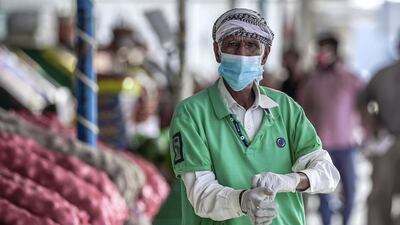
A vegetable vendor fixes his gloves at the Abu Dhabi Fruits and Vegetables Market during the Coronavirus epidemic. Victor Besa / The National -

A key worker wears a facemask as he walks passed a brightly coloured mural in Media City, Dubai. Chris Whiteoak / The National -
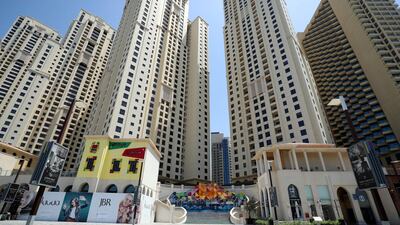
A deserted part of JBR, Dubai. Chris Whiteoak / The National -
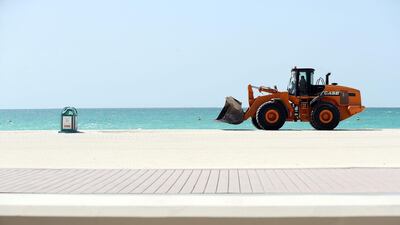
A digger does some work on an empty Jumeirah beach, this is normally a very popular spot for beach goers, Dubai. Chris Whiteoak / The National -
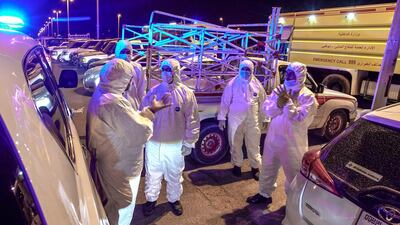
Abu Dhabi Civil Defence and Police sterilisation drive in Mussafah. Victor Besa / The National -
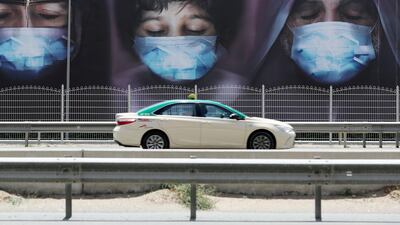
A poster on Sheikh Zayed Road shows a family wearing facemasks tell people to Stay at home, Dubai. Chris Whiteoak / The National -
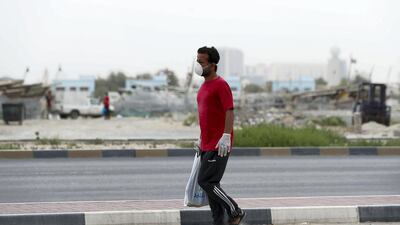
A man walks past fishing boats in Ajman wearing a mask amid the coronavirus crisis. Chris Whiteoak / The National -
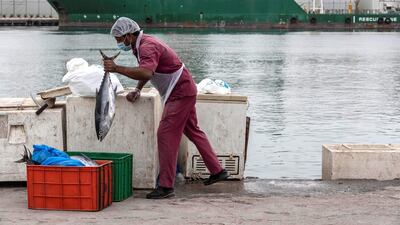
A market worker boxes up fish at Ras Al Khaimah's dock. Antonie Robertson / The National -
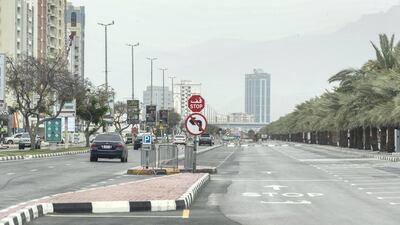
Empty streets in RAK as residents stay home for a third week. Antonie Robertson / The National -
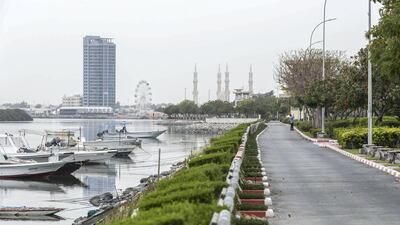
Residents of the Northern Emirates must stay home from 8pm to 6am, but can leave home to shop for essentials outside of those times. Antonie Robertson / The National -
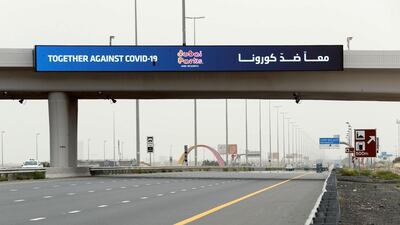
A sign outside Dubai Parks and Resorts offers support to frontline workers. Chris Whiteoak / The National -
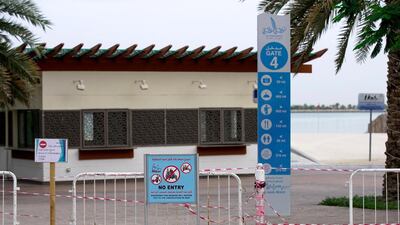
No entry signs at the closed Corniche in Abu Dhabi. Victor Besa / The National -
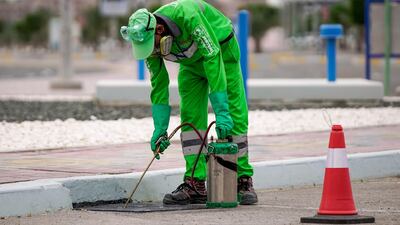
A street cleaner sanitises gutters at Marina Mall car park in Abu Dhabi. Victor Besa / The National -
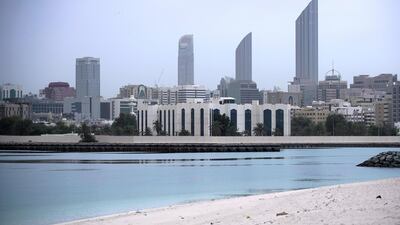
The normally busy beaches of Abu Dhabi have been deserted in recent weeks. Victor Besa / The National -
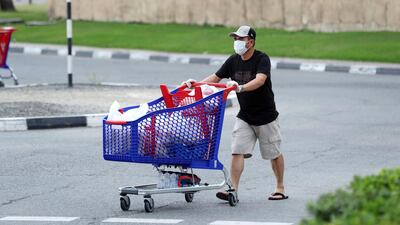
A shopper picks up essentials at Carrefour in Dubai's Ibn Battuta Mall. Dubai residents must apply for a permit to leave home. Chris Whiteoak / The National -
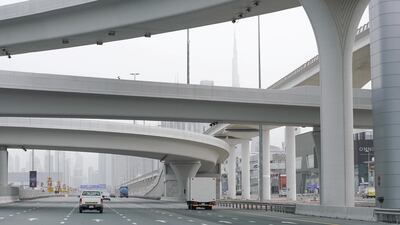
The only vehicles on Dubai's roads are delivery trucks, bike couriers and minibuses taking essential personnel to and from work. Victor Besa / The National -
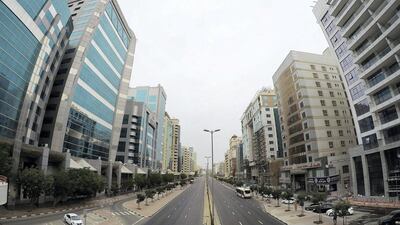
The empty Al Maktoum Road near Deira Clock Tower in Dubai. It would normally be one of the city's busiest streets. Pawan Singh / The National -

A 24-hour stay-home order and the disinfecting of streets has left Dubai streets mostly deserted. Pawan Singh / The National -
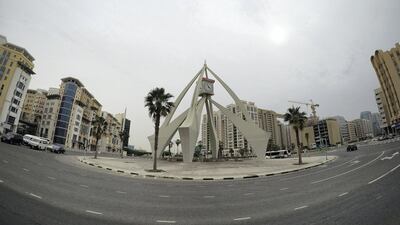
The famous Deira Clock Tower at the heart of the city's old town. Pawan Singh / The National -
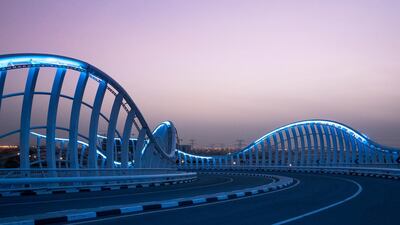
The bridge to Meydan hotel and racecourse stands empty on Saturday evening. Reem Mohammed / The National -
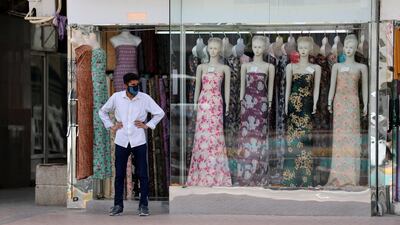
A shopkeeper waits outside his dress store in Al Ain. Chris Whiteoak / The National -
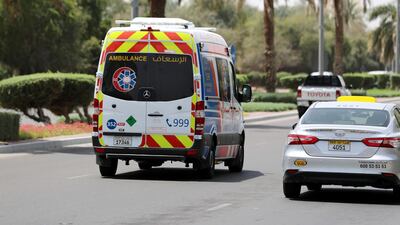
An ambulance on a street in Al Ain. Chris Whiteoak / The National -
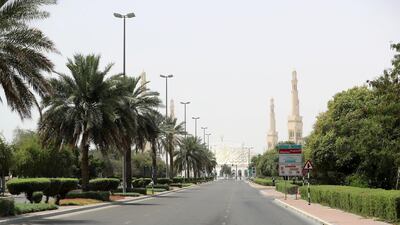
A quiet street leads to Sheikh Khalifa bin Zayed Grand mosque in Al Ain. Chris Whiteoak / The National -
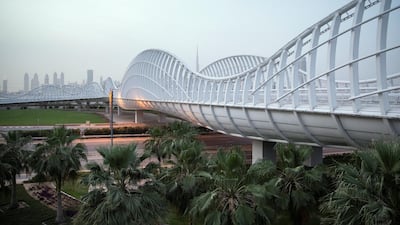
The empty bridge to Meydan during daytime. Reem Mohammed / The National -

Dubai residents must remain indoors at all times, unless they have a permit for essential shopping. Reem Mohammed / The National -
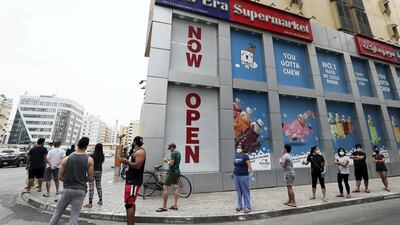
Residents queue outside a supermarket in the Muraqqabat area of Deira in Dubai. Pawan Singh / The National -
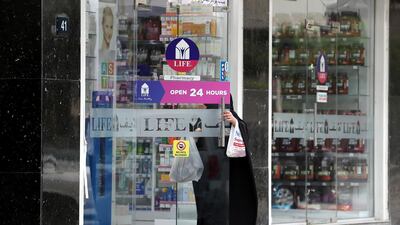
A customer enters a pharmacy in Dubai. Pharmacies and supermarkets are the only stores allowed to remain open to the public. Pawan Singh / The National -
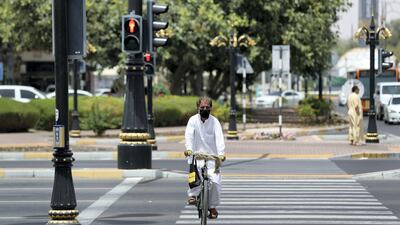
A man rides his bike across the street in Al Ain. Chris Whiteoak / The National -
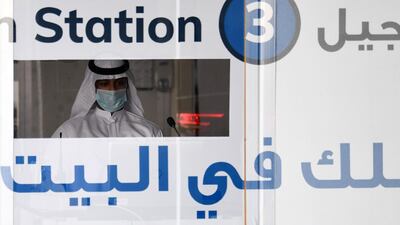
A medical worker in a booth prepares to swab residents at a drive-through test centre in the Dubai suburb of Khawaneej. AFP -
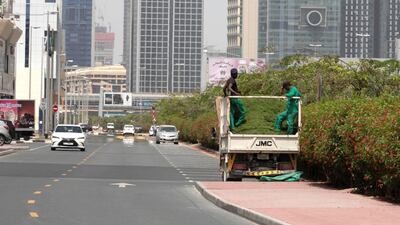
Dubai skyline during lockdown. Antonie Robertson / The National -
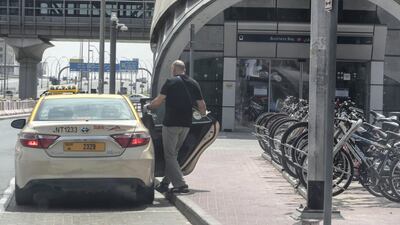
A man takes a taxi after leaving the Business Bay Metro station, Dubai. Antonie Robertson / The National -
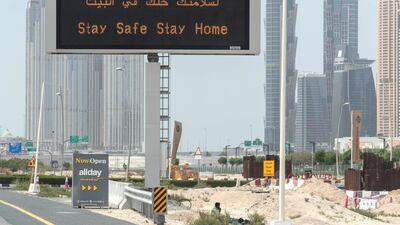
An awareness board on Meydan road, Dubai. Antonie Robertson / The National -
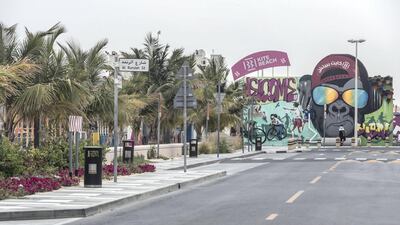
The empty Kite Beach area of Dubai. Antonie Robertson / The National -

A healthcare worker crosses an empty street in Bur Dubai while wearing a mask amid the coronavirus outbreak. Chris Whiteoak / The National -
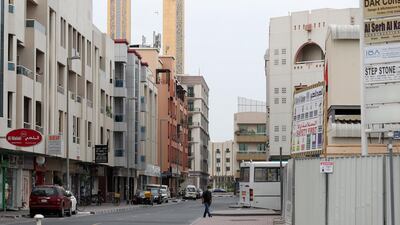
A gentleman crosses an empty street in Oud Metha in Dubai. Chris Whiteoak / The National -
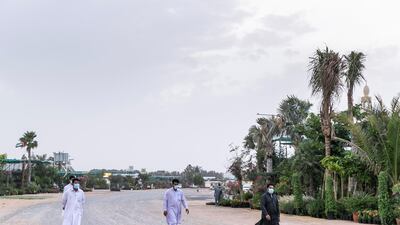
Men in face mask walking by nurseries in Warsan. Reem Mohammed / The National


“They must also not suffer from any health conditions that would prevent their body from accepting plasma," Dr Al Kaabi said.
"One of the most important criteria for choosing the recipient is that their blood group must match that of the donor."
Plasma can be donated at a blood bank. The blood is donated whole and the plasma is extracted.
The extracted plasma from one donation can typically be used to treat two patients.
“In the absence of a drug or vaccine against this rapidly spreading virus, we decided to expedite the use of blood plasma therapy to save those in critical situations,” said Dr Mariam Al Mazrouei, chief executive of the hospital.
The use of plasma in medical treatment dates to before the Spanish flu pandemic in 1918.
It involves using the plasma of people who have recovered from a viral infection, and therefore have antibodies in their blood that can rapidly detect and destroy the virus.
The plasma can boost their immune systems and potentially provide protection.
With only a relatively small number of patients so far treated with plasma and no formal trials under way, it is difficult to know how effective the treatment really is in this case.
But two medical teams working in separate hospitals in China gave donated plasma to 15 critically ill patients and recorded significant improvements in their symptoms.

