

Environmental scientists and conservationists will descend on Abu Dhabi this week for a high-level summit to confront the threats facing the world’s oceans.
Experts from around the globe will gather at the World Ocean Summit to debate key issues of the day, including overfishing, aquaculture and climate change.
The three-day event begins today and will feature more than 75 speakers and 400 guests from the worlds of business, technology and government.
Robert Swan, the first person to walk to both poles, will address delegates, as will the Minister for Climate Change and Environment, Dr Thani Al Zeyoudi.
“The world has common challenges, such as declining fisheries, but there is also a lot of opportunity,” said Mohamed Al Madfaei, of the Environment Agency Abu Dhabi.
“The event is being held in the Middle East because of the amount of trade that passes through these waters.
“We see ourselves in the EAD as leaders in the region for protecting the marine environment.”
Last year, the UN said that a third of the world’s oceans were overfished at a time when fish consumption was its highest level ever.
The Abu Dhabi summit will hear about continuing efforts to address the problem, including laboratory-grown fish aimed at relieving pressure on wild stocks.
A second topic under discussion will be increasing concern about the millions of tonnes of plastic waste being dumped at sea each year.
The UN has said that marine life faces “irreparable damage” and that businesses are vital to tackling the problem.
This week will be the first time the World Ocean Summit is being held in the Middle East, a region that is home to a great wealth of marine biology.
But like the rest of the world, the Arabian Gulf is facing its own challenges and several species in the UAE, including whales and dugongs, are threatened with extinction.
A recent study by New York University Abu Dhabi revealed record temperatures in 2017 left more than 90 per cent of the emirate’s coral struggling to survive.
And only last month, the capture of a bull shark off the coast of Fujairah during the closed season highlighted efforts to clamp down on illegal fishing.
Yet despite the obvious challenges facing the Middle East, the fightback has begun. Hotels are eschewing individual plastic bottles for water coolers and many businesses are organising beach clean-ups.
Efforts are also under way to curb the region’s desalination plants from pumping brine into the Gulf, a process known to reduce oxygen levels in the water and harm marine life.
____________
Marine giants: The big visitors to UAE waters
-
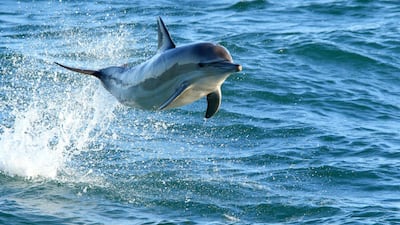
Long beaked common dolphin. -
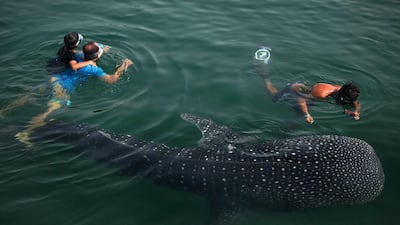
Whale sharks, like this one pictured in Al Bateen, Abu Dhabi, are regular marine giants that visit the UAE. Delores Johnson / The National -
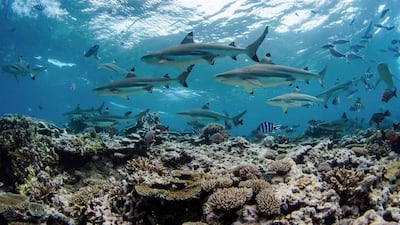
Blacktip reef sharks were seen off Fujairah in 2018. -
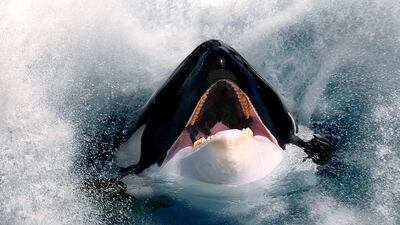
Orcas, commonly known as killer whales, were spotted in 2015. -
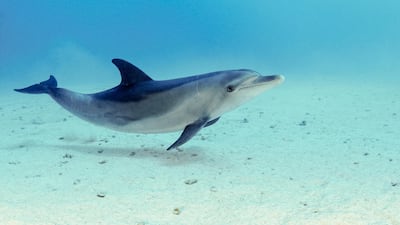
The Indo-Pacific bottlenose dolphin is a regular in UAE waters. -
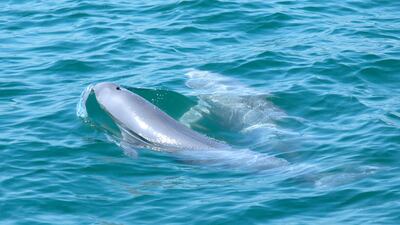
As is the Indo-Pacific Finless Porpoise. -
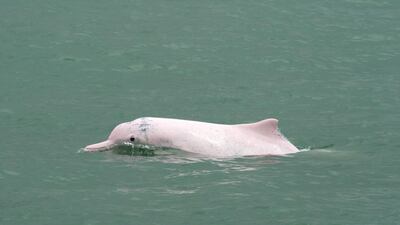
The Indo-Pacific Humpback Dolphin -
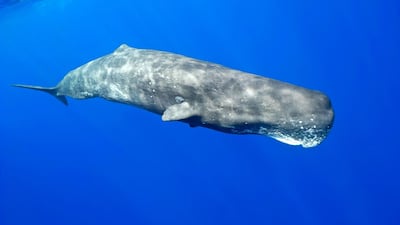
Sperm whale -
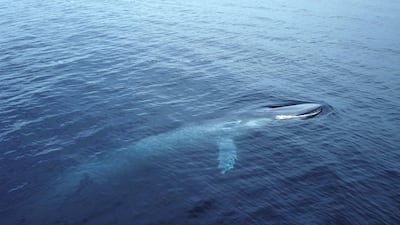
A Blue Whale carcass washed ashore off the Sharjah coast in 2015. -
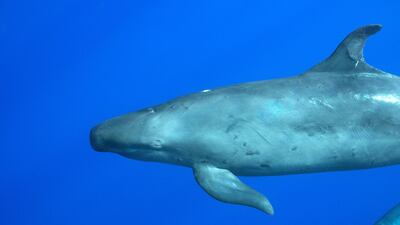
The false killer whale is actually a dolphin. They were spotted off Fujairah for the first time in 25 years in February 2019. -
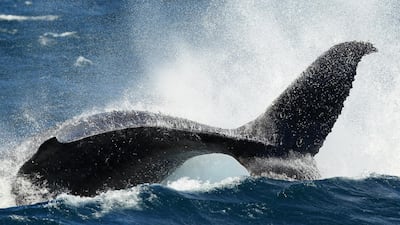
Engangered Arabian humpback whales can be seen in the Northern Emirates and Oman. -

The rare dugong.


____________
Yesterday, UAE authorities banned the use of gargoors, a type of traditional fishing cage used to catch hammour, a popular fish in the Emirates.
“We have salinity affecting the Arabian Gulf and [fishermen’s catches] are declining but we want to build a platform to collaborate, increase knowledge and boost innovation,” Mr Al Madfaei said.
“We also want the youth to get involved [to find solutions].”
Shaikha Al Dhaheri, acting secretary general of the EAD, said hosting the summit was a historic moment.
“It is a very proud occasion for Abu Dhabi to be hosting the prestigious World Ocean Summit in the Middle East for the first time,” she said.
The World Ocean Summit runs from March 5 to 7 on Saadiyat Island in Abu Dhabi.

