


The tourism industry was one of the first to take a massive hit earlier this year following the global lockdown and travel restrictions imposed in response to the Covid-19 pandemic.
In 2019, it accounted for a healthy 10 per cent of the global gross domestic product. In contrast, US management consultancy McKinsey & Company estimated this year that tourist arrival figures worldwide are expected to plummet between 60 to 80 per cent, with spending in the tourism sector unlikely to return to pre-pandemic levels until 2024.
According to the UN’s World Travel Organisation, the world witnessed a loss of 440 million international arrivals that wiped out $460 billion (Dh1.689 trillion) in export revenue in the first half of 2020. That is almost five times the loss in international travel revenues recorded during the 2008 global financial crisis.
Over the past month or so, restrictions have been eased in nearly 50 per cent of the world’s travel destinations. Although there are new safety measures in place that alter the travel experience considerably, we must see this as an opportunity to inject resources into the travel sector, in order to jumpstart economic activity and begin the slow process of recovering the massive losses.
While to an extent every nation benefits from travel and tourism, the GCC region has rapidly grown its travel sector in recent decades to diversify its economy and make it less reliant on oil.
The tourism offerings in the Arab region are a jewel in the crown of the global travel sector. We offer a variety of cultural experiences, a connection to nature, and a host of retail and leisure options for travellers seeking an enriching escape from their daily lives.
-
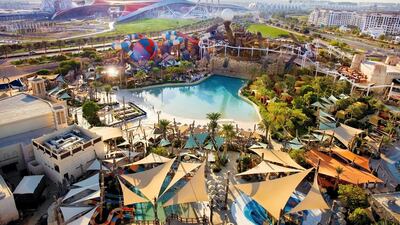
1. Cool down at Yas Waterworld - the waterpark has reopened with safety measures in place. Courtesy Yas Waterworld -
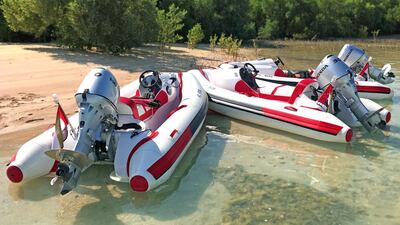
2. Sail a speedboat through the Abu Dhabi mangroves. Courtesy Rhino Rides Abu Dhabi -
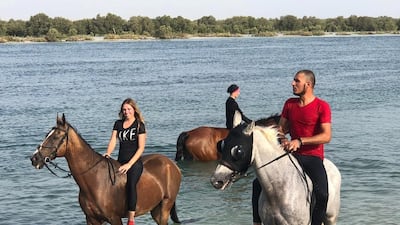
3. Take an early morning swim with horses. Courtesy Dhabian Equestrian Club -

4. Go shooting at Al Forsan International Sports Resort. -
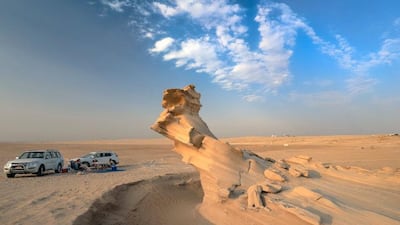
5. Connect with nature and take in the views at the Fossil Dunes. Courtesy Flickr/ Robert Haandrikman -

6. Take a night-time kayak tour of Louvre Abu Dhabi. -
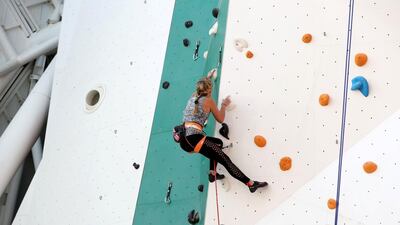
7. Scale the world's tallest indoor climbing wall at Clymb on Yas Island. -
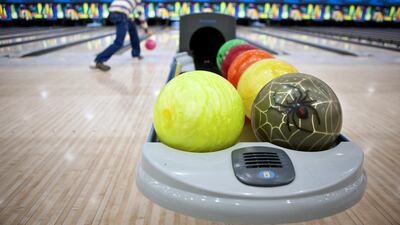
8. Spend an afternoon bowling at Zayed Sports City in Abu Dhabi. -

9. Take a day trip to Al Maya Island. Courtesy Al Maya Island -
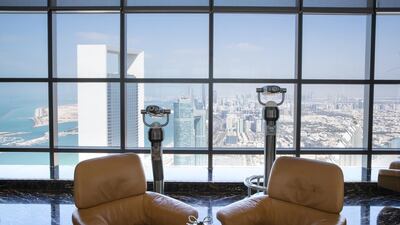
10. Watch the sun set over the city from Observation Deck at 300. Courtesy Jumeirah at Etihad Towers -

11. Drive to Al Quaa and picnic under a starlit sky, with no light pollution and possible Milky Way sightings. Courtesy Samy Al Olabi


Notably, now more than ever, in the aftermath of the Covid-19 outbreak and the ensuing global lockdowns and restrictions, people are keen to unwind and take much-needed respite from the unprecedented stress they continue to experience in their everyday lives.
Studies have indicated numerous benefits of travel: it boosts both physical and mental health, contributes to greater well-being, increases stamina and productivity, decreases burnout and, in the long run, even enhances sleep patterns.
Historically, some of the world’s most influential and profitable brands were born from the inclination to elevate society. One of the most remarkable success stories is that of Walt Disney, who was not deterred by the Great Depression when it began in 1929.
Instead, he found an opportunity to bring joy into people’s lives through sharing his craft. His perseverance, optimism and belief in the arts during those challenging years gave us beloved entertainment that continues to enchant consumers – be it through films, TV shows, merchandise or amusement parks.
Similarly, we need to look inwards and revisit our greatest strengths that could potentially restart our economies after the setbacks of this year.

Across sectors, smaller operators, family businesses and small and medium enterprises have all been hit hard. This is a good time to support them, as a positive step in rebuilding our economies to suit the needs and aspirations of potential guests.
Of course, in an era of social distancing and staying at home, we need to focus on tourists from our own countries, within the region, as well as globally.

Not unexpectedly, people are looking for short getaways close to home that do not require the added expense and stress of air travel. Staycations are a quick solution to the humdrum of everyday lives. Stakeholders in the travel industry everywhere would do well to offer customers a host of options within or close to their cities.

Businesses in the hospitality and leisure sectors in and around metropolises can tailor packages to suit the interests and needs of residents and encourage them to consider taking breaks.
Tourism boards across the region can co-ordinate their efforts to provide visitors from neighbouring countries access to attractive offerings.
By pooling resources, we can create bundle deals and incentives that encourage the safe movement and travel of residents who are keen to enjoy short breaks close to home.
In addition, the government agencies and businesses in the tourism sector need to work closely to ensure that offerings are tailored to suit the current climate and marketed to relevant audiences.
Although 2020 has brought with it a series of setbacks, we must not lose hope. We must remember that the GCC countries have come a long way in the past few decades. They have developed rapidly and built world-class cities and knowledge-based economies, elevating themselves among the world’s most developed nations.
This is not the first time we have faced challenges. In the past, we have emerged from economic crises more resilient than ever. This one is no exception.
Our region’s tourism sector has been an integral component of our success story. There is no doubt that with strategic planning and the right resources, we can bring our offerings back into the global spotlight and, most importantly, lead our economic recovery.
Mohammed Alardhi is executive chairman of Investcorp and chairman of Bank Sohar, and was the longest-serving Omani head of the Royal Air Force of Oman

