

Last week, Twitter launched a new pay-for-checkmark scheme. The identity-verifying blue checkmark, once reserved for notable individuals and institutions, is now available to all. Since the update was first announced, the price has changed, and details of the verification process are, at best, uncertain. The current state of play is captured in a tweet by Elon Musk, the company's new owner: "Please note that Twitter will do lots of dumb things in coming months. We will keep what works and change what doesn't."
As it stands, the new scheme is part of an update to "Twitter Blue", the social media platform's premium subscription service. Along with the blue checkmark, anyone willing to pay the fee – $7.99 per month – will also get early access to new functions, such as the ability to edit tweets. For the time being, this is rolled out only in certain geographies. Twitter claims the changes are part of a verification revamp motivated by a desire to reduce fake, untrustworthy accounts.
So far, so bad. Since the launch of the new scheme, the platform has been plagued by fake accounts, many sporting the blue checkmark that once signified account authenticity. For example, there was a fake George W Bush account, tweeting that "I miss killing Iraqis", to which a fake Tony Blair replied, "Same tbh". Similarly, a fraudulent Nintendo account posted a picture of the gaming character Mario making an obscene hand gesture.

Twitter makes most of its revenue from advertising. So if brands are being brought into disrepute, that is going to be bad for business. At the time of writing, Twitter has, at least temporarily, suspended the new blue checkmark scheme amid a wave of people impersonating notable brands and individuals.
Overlooking the chaos of Twitter's blue checkmark free-for-all, the fact that people will pay to verify their identity reflects our changing attitudes toward technology. In the early days of internet chat rooms, the forerunners to social media platforms, almost nobody used their real names. Service providers actively discouraged users from disclosing too much personal information. Anonymity and pseudonymity (fake names) were internet norms.
Today, many people strive for hyper-authenticity, real-time sharing of the most intimate and traditionally private details of their daily lives. And while most of us are not serial over-disclosers or online exhibitionists, we have become far more willing to share aspects of our identities. For example, many of us share our most recent accolades (LinkedIn) or our opinions (Twitter) or even what we are about to eat for lunch (Instagram).
Along with us being OK about projecting our true identities online, we are also increasingly required to verify that we are who we say we are. Web-based services actively and repetitively encourage us to share additional verifying information with them. For example, an email service might request our mobile phone number to help us regain access to accounts should we forget our password.
This need for online verification, and the protection of our digital identity, will only intensify as more of our daily tasks and social transactions move online. Apple, Microsoft, Google and other tech giants have already committed to greater use of biometrics – Face and Touch ID – to access online accounts. Ultimately this move is designed to do away with time-consuming passwords, which are hackable, sharable and forgettable.
The need for verifiable identities will increase as the internet expands. The next significant phase in the evolution of the internet is being called the metaverse. This term first appears in Neal Stephenson's 1992 novel, Snow Crash. The author uses the word to describe a persistent virtual world, a successor to the internet, populated by millions of people in digital avatar form. Stephenson's virtual reality world features places of work, rest and play where people purposefully interact with each other.
-
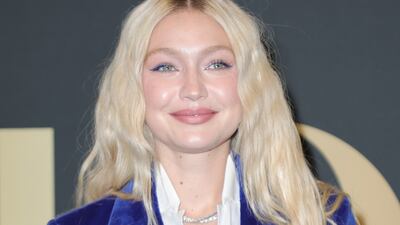
Gigi Hadid has deactivated her Twitter account following Elon Musk's takeover of the platform, saying 'it's becoming more and more of a cesspool of hate and bigotry with the new leadership'. AFP -
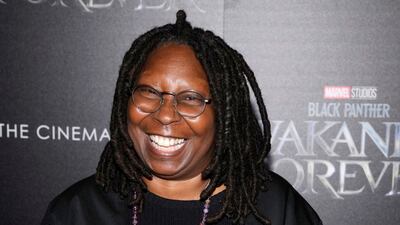
Whoopi Goldberg said she was getting off Twitter because 'it’s so messy'. AP -

Producer Shonda Rhimes quit the platform days after Elon Musk took over. Reuters -
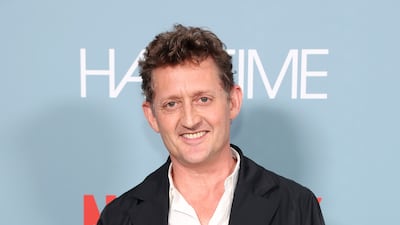
Actor and filmmaker Alex Winter's account has also been deactivated. AFP -
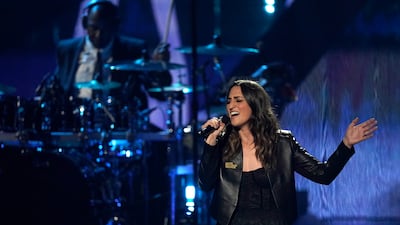
Grammy-winning singer Sara Bareilles said Twitter was no longer for her. AP -
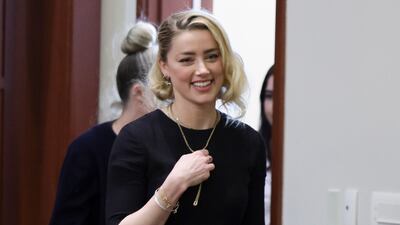
Actor Amber Heard, who once dated Elon Musk, has also deactivated her account. AP -
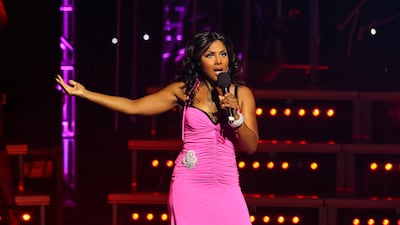
Singer Toni Braxton, who has also quit, said she was not comfortable with 'hate speech under the veil of free speech'. Alamy Stock Photo -
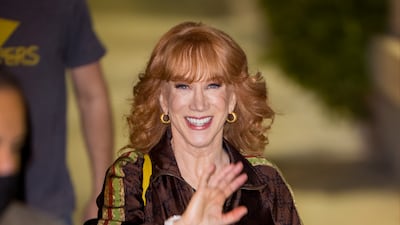
Comedian Kathy Griffin's Twitter account was suspended after she changed her name to 'Elon Musk'. GC Images -
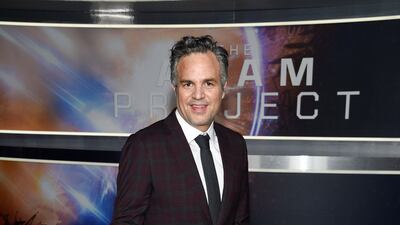
'Avengers' star Mark Ruffalo has pleaded with Elon Musk to 'get off Twitter and get on with running Tesla and SpaceX'. AP


While the details have yet to be fully agreed and ironed out, the emerging metaverse greatly resembles Stephenson's vision. This computerised universe is widely envisaged as an immersive 3D digital ecosystem, a network of unending and interconnected virtual worlds. In his book, The Metaverse: And How it Will Revolutionise Everything, Matthew Ball describes it as "a parallel plane of existence for millions, if not billions, of people, that sits atop our digital and physical economies".
Today, we are "on" the internet. Tomorrow, we will be "in" the metaverse. The need for verifiable identification in such a digital ecosystem will parallel the need for passports, social security numbers and national identity cards in the physical one.
Twitter's blue checkmark scheme looks like it is having some teething troubles. However, rigorous and robust identity verification will eventually become a prerequisite for participation in many walks of online life. I also suspect that many people want, or wanted, Twitter's blue checkmark as a status symbol, the digital equivalent of a branded T-shirt. The blue check, after all, implies that you are worthy of impersonation. The fact that we are prepared to spend money on our digital identities, enriching them with digital status symbols, also fits with future economic visions of the metaverse. As it is offline, so shall it be on the web.

