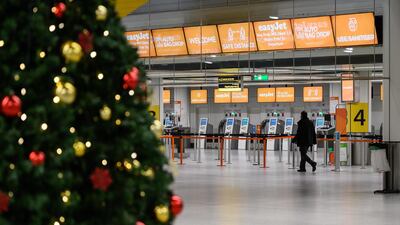

With the festive season just around the corner, it is set to be a busy few weeks at airports in the UAE. As tourists jet into Dubai for some winter sunshine, thousands of residents are also set to fly home for Christmas. Dubai Airports has said it is gearing up for a peak period of travel and Emirates is expecting 400,000 passengers over the next two weeks.
If you’re considering flying and are doing so for the first time since the pandemic began, you’re likely to notice a few changes. Air travel has transformed in the time of Covid-19, with new rules, restrictions and advice in place for travellers. Whether you have your bags already packed or are still weighing up the pros and cons of flying, this guide details everything you need to know before travelling this festive season.
1. The risk of flying
While airlines are adamant that it is safe to fly and have funded research to demonstrate this, there have also been reports of multiple passengers on a flight contracting Covid-19. Since the coronavirus outbreak grounded travel back in March, researchers and scientists have been trying to answer the question of whether or not it's safe to fly and the likelihood of contracting the virus on an aircraft.
While most experts agree that in-flight cabin air is likely cleaner and safer than air in your home or office thanks to highly effective HEPA filters, there are other risk factors that you need to consider when flying. There's no simple yes or no answer to this question, but The National's explainer has more advice.
2. Only some flights are operating
-

Emirates A380 superjumbo is once more flying from Dubai to New York, with daily double-decker flights from June 1. Unsplash -
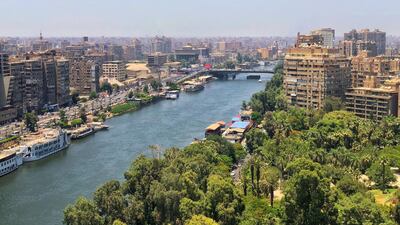
Passengers travelling to Cairo with Emirates can fly on the airline's superjumbo services. -

The airline is temporarily flying the A380 to Frankfurt, Germany. Unsplash -

Emirates flies to Hong Kong from Dubai via Thailand with the world's largest passenger aircraft. Unsplash -

Emirates operates a daily superjumbo service to Bangkok, Thailand. Unsplash -
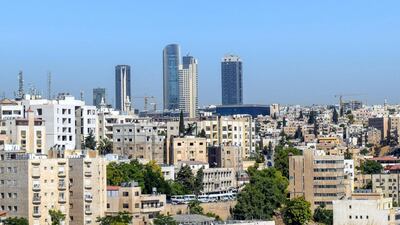
Emirates double-decker jet flies from Dubai to Amman, Jordan.. Pxfuel -

Emirates resumed A380 flights to Moscow on September 18 last year. Unsplash -

The Emirates A380 is flying daily to Paris. -
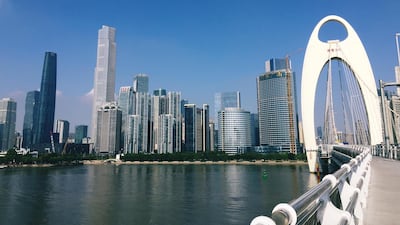
Emirates superjumbo is also operating to Guangzhou in China. -
The highly popular A380 aircraft was operating to London Heathrow from Dubai since July, but passengers are no longer allowed to fly from the UAE to the UK. -

Emirates has paused A380 flights to Manchester due to travel restrictions.


Many airlines have jets back in service after grounding fleets during the onset of the pandemic, but not all routes are currently operating.
This means that you might struggle to book direct flights to a destination that you previously could. Emirates is currently flying to 99 destinations across six continents, which is about 70 per cent of its pre-Covid network. Etihad is slowly resuming its network with 60 destinations listed on its winter schedule.
3. Cheap airfares are available

Despite fewer flights in the air, there are bargain fares to be found this Christmas, due a lack of demand. Fly to London from Dubai on Tuesday, December 22, for example, and you can get a return ticket with Gulf Air from Dh1,786.
With fewer travellers flying, festive airfares have dropped. If you shop around and are willing to consider flights with stopovers, there’s a good chance you can find a cheaper deal. However, make sure you meet transit passenger requirements in any destination you consider stopping in.
4. Arrive at the airport early, but not too early

If you decide to travel, make sure you get to the airport early. Additional security measures and checks mean it is taking most travellers longer to complete the airport journey than it did prior to the onset of the pandemic. Being at the airport at least three hours before a flight is no longer a recommendation, but solid guidance. Additional health and safety declarations, Covid-19 test checks and social distancing at security points mean that the check-in to boarding process is likely to take you longer.
If you’re travelling at a quieter time or on a less busy flight then you might make it through faster, but why take the risk? Both Dubai Airports and authorities at Abu Dhabi International Airport have asked travellers not to arrive any earlier than four hours ahead of flights to avoid overcrowding.
5. Covid-19 testing

Based on where you’re travelling to or from, you may need a Covid-19 PCR test ahead of your flight. Depending on where you are flying, your test needs to be carried out 48, 72 or 96 hours ahead of your flight. Airlines have detailed information on travel requirements by destination; check with the company you are flying with for more information.
If you’re travelling from Abu Dhabi with Etihad, you’ll need a PCR test result no matter where you’re going. The cost of this is included in your airfare and passengers can book tests via Mediclinic. From Dubai, Emirates offers discounted rates on PCR tests at the American Hospital Dubai Media City Clinic and the American Hospital Barsha Clinic. It is a good idea to print your test certificate and have it in electronic format when you go to the airport, as airlines have different requirements.
6. Travel insurance
Many places around the world are insisting that travellers have valid insurance covering treatment for Covid-19 before flying. Some destinations require the insurance policy to cover a minimum amount, such as Thailand, where travellers must have at least $100,000 in coverage. Other places instruct travellers to purchase specific insurance policies, such as Aruba, where travellers must buy mandatory visitor insurance upon arrival.
If you're flying Emirates or flydubai, you'll be automatically covered by the airlines' multi-risk insurance packages that include coverage of up to $500,000 for overseas medical expenses and emergency evacuations. For travellers flying Etihad, the airline offers travellers its Global Wellness Insurance Cover with $180,000 cover for overseas medical expenses due to Covid-19.
7. Enhanced cleaning
Airlines and airports have stepped up their cleaning methods to tackle the coronavirus. At Dubai International Airport, new measures include hand-sanitising stations, protective screens at check-in and immigration counters, and thermal screening for passengers. There’s also “increased levels of cleaning and sanitisation in compliance with international standards as set out by relevant local authorities,” said a spokesperson for Dubai Airports.
Similar safety measures are in place at Abu Dhabi International Airport, where there are automated self-sanitisation systems on escalators and touch-free elevators. Some areas of the airport are restricted or have limited access for social distancing purposes and travellers should always maintain a physical distance of two metres from one another.
Airlines have also upped their hygiene standards with jets undergoing disinfection fogging and enhanced cleaning after most journeys. This means that you’ll be safer when travelling, but could lead to longer turnaround times between flights.
8. Face masks are a must

Most airlines have made wearing face masks compulsory for all passengers over a certain age. Several airports, including Dubai and Abu Dhabi, also insist that travellers wear face masks when navigating through the airport. Emirates provides a hygiene kit free of charge for travellers, consisting of face masks, gloves, antibacterial wipes and hand sanitiser.
From Abu Dhabi, Etihad provides wellness kits including a face mask, gloves and hand gel to travellers. There are also PPE vending machines at both Abu Dhabi and Dubai International Airports where you can buy extra masks, gloves and sanitiser.
9. In-flight changes

If this is your first time flying this year, don’t expect things to be business as usual once you are up in the air. There have been several changes to in-flight services introduced during the global pandemic. Cabin crew wear full Personal Protective Equipment and do not make as many trips through the cabin to limit contact with other people.
Meal services have also changed, with most airlines now offering pre-packaged food and drink options to limit interaction. You’re also unlikely to get a menu card. Travellers flying Emirates can still tuck into the airline’s annual festive menu. Turkey with all the trimmings is being served on select Emirates flights until Thursday, December 31.
10. Stay seated
Some airlines are socially distancing passengers on board by leaving the middle seat empty in rows. However, the majority of airlines are only doing this when passenger loads allow. This means that if your flight is busy, there’s a good chance someone will be sat right next to you. Some airlines, such as Oman Air, allow travellers to pre-book the middle seat next to them to ensure it remains vacant throughout a flight.
Emirates allows travellers to choose their seat online and customers can pay a fee to guarantee a seat with more legroom or beside an emergency exit. However, the airline advises travellers that “due to the current circumstances and for operational reasons, we may need to change your seat before departure or on board". If this happens, travellers will be eligible for a refund on any fees paid to select a seat.
Etihad has made changes to its seat maps to “make sure that where possible, there’s more space between you and other guests". Passengers are asked to only change seats if requested by cabin crew, to allow the airline to maintain social distancing and facilitate contract tracing if necessary.
11. Returning to the UAE
Make sure you know what rules are in place in your chosen destination. Some countries require travellers to quarantine on arrival, even with a negative Covid-19 test result. Other places simply want people to download contract-tracing apps. Rules are being updated constantly so it is a good plan to check details regularly.

Ahead of your flight back to the UAE, make sure you have the necessary approvals. Dubai residence visa holders need approval from the General Directorate of Residency and Foreigners Affairs. You can find the form for approval here. All other UAE residence visa holders can go to uaeentry.ica.gov.ae to receive verification of their entry status.
Travellers flying to Abu Dhabi will have to quarantine for 14 days. Electronic trackers are being given to passengers arriving at Abu Dhabi International Airport. Those flying into Dubai and then travelling by road to the capital will be given an electronic tracker at the Ghantoot checkpoint.
If you spend time in another emirate before travelling to Abu Dhabi, you can deduct the number of days there from your quarantine time. For example, if you fly into Dubai and spend three days there before returning to the capital, you need only quarantine for 11 days once you’re back in Abu Dhabi.

