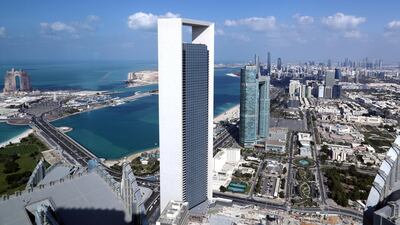
General view of the ADNOC headquarters is seen in Abu Dhabi, United Arab Emirates, December 23, 2018. Photo taken December 23, 2018. REUTERS/Hamad I Mohammed

Adnoc attracts Dh62bn in foreign direct investment to the UAE in 2020


Jennifer Gnana
  • English
  • Arabic

Abu Dhabi National Oil Company helped attract Dh62 billion ($16.8bn) in foreign direct investment to the UAE this year, mainly through various multi-billion dollar transactions signed in the midstream and infrastructure segments.

Over the last four years, the state-owned firm has helped to drive Dh237bn in FDI flows to the UAE.

On Sunday, the company said it plans to spend Dh448bn to develop its upstream, midstream, downstream and its trading and marketing businesses over the five years between 2021 and 2025. Of the proposed spending, Dh160bn will be directly channelled into the UAE economy.

In July, a consortium of the world’s leading infrastructure and sovereign wealth funds signed an agreement worth $20.7bn to invest in Abu Dhabi’s natural gas pipelines infrastructure. The transaction, the largest single global energy infrastructure deal this year and the Middle East's biggest, will unlock $10.1bn of foreign investment into the UAE.

Global Infrastructure Partners, Brookfield Asset Management, Singapore’s sovereign wealth fund GIC, Ontario Teachers’ Pension Plan Board, South Korea's NH Investment & Securities and Italy’s Snam took stakes in Adnoc’s lucrative midstream assets.

In September, a $5.5bn deal with Apollo Global Management to lease some of its properties led to a further FDI inflow of $2.7bn.

Last month, Abu Dhabi Pension Fund and ADQ said they would invest $2.1bn in Adnoc’s gas pipeline infrastructure, as the energy company looks to open up opportunities for local investors too.

In an interview with The National in September, Adnoc Group chief financial officer Ahmed Al Zaabi said the company was also committed to providing opportunities for local investors as its efforts to attract foreign capital pick up pace.


Company%20profile
%3Cp%3E%3Cstrong%3ECompany%20name%3A%3C%2Fstrong%3E%20Fasset%0D%3Cbr%3E%3Cstrong%3EStarted%3A%20%3C%2Fstrong%3E2019%0D%3Cbr%3E%3Cstrong%3EFounders%3A%3C%2Fstrong%3E%20Mohammad%20Raafi%20Hossain%2C%20Daniel%20Ahmed%0D%3Cbr%3E%3Cstrong%3EBased%3A%3C%2Fstrong%3E%20Dubai%0D%3Cbr%3E%3Cstrong%3ESector%3A%20%3C%2Fstrong%3EFinTech%0D%3Cbr%3E%3Cstrong%3EInitial%20investment%3A%3C%2Fstrong%3E%20%242.45%20million%0D%3Cbr%3E%3Cstrong%3ECurrent%20number%20of%20staff%3A%3C%2Fstrong%3E%2086%0D%3Cbr%3E%3Cstrong%3EInvestment%20stage%3A%3C%2Fstrong%3E%20Pre-series%20B%0D%3Cbr%3E%3Cstrong%3EInvestors%3A%3C%2Fstrong%3E%20Investcorp%2C%20Liberty%20City%20Ventures%2C%20Fatima%20Gobi%20Ventures%2C%20Primal%20Capital%2C%20Wealthwell%20Ventures%2C%20FHS%20Capital%2C%20VN2%20Capital%2C%20local%20family%20offices%3C%2Fp%3E%0A
West Indies v England ODI series:

West Indies squad: Jason Holder (c), Fabian Allen, Devendra Bishoo, Darren Bravo, Chris Gayle, Shimron Hetmyer, Shai Hope, Evin Lewis, Ashley Nurse, Keemo Paul, Nicholas Pooran, Rovman Powell, Kemar Roach, Oshane Thomas.

Fixtures:

1st ODI - February 20, Bridgetown

2nd ODI - February 22, Bridgetown

3rd ODI - February 25, St George's

4th ODI - February 27, St George's

5th ODI - March 2, Gros Islet

SPEC%20SHEET
%3Cp%3E%3Cstrong%3EProcessor%3A%3C%2Fstrong%3E%20Apple%20M2%2C%208-core%20CPU%2C%20up%20to%2010-core%20CPU%2C%2016-core%20Neural%20Engine%3C%2Fp%3E%0A%3Cp%3E%3Cstrong%3EDisplay%3A%3C%2Fstrong%3E%2013.6-inch%20Liquid%20Retina%2C%202560%20x%201664%2C%20224ppi%2C%20500%20nits%2C%20True%20Tone%2C%20wide%20colour%3C%2Fp%3E%0A%3Cp%3E%3Cstrong%3EMemory%3A%3C%2Fstrong%3E%208%2F16%2F24GB%3C%2Fp%3E%0A%3Cp%3E%3Cstrong%3EStorage%3A%3C%2Fstrong%3E%20256%2F512GB%20%2F%201%2F2TB%3C%2Fp%3E%0A%3Cp%3E%3Cstrong%3EI%2FO%3A%3C%2Fstrong%3E%20Thunderbolt%203%20(2)%2C%203.5mm%20audio%2C%20Touch%20ID%3C%2Fp%3E%0A%3Cp%3E%3Cstrong%3EConnectivity%3A%3C%2Fstrong%3E%20Wi-Fi%206%2C%20Bluetooth%205.0%3C%2Fp%3E%0A%3Cp%3E%3Cstrong%3EBattery%3A%3C%2Fstrong%3E%2052.6Wh%20lithium-polymer%2C%20up%20to%2018%20hours%2C%20MagSafe%20charging%3C%2Fp%3E%0A%3Cp%3E%3Cstrong%3ECamera%3A%3C%2Fstrong%3E%201080p%20FaceTime%20HD%3C%2Fp%3E%0A%3Cp%3E%3Cstrong%3EVideo%3A%3C%2Fstrong%3E%20Support%20for%20Apple%20ProRes%2C%20HDR%20with%20Dolby%20Vision%2C%20HDR10%3C%2Fp%3E%0A%3Cp%3E%3Cstrong%3EAudio%3A%3C%2Fstrong%3E%204-speaker%20system%2C%20wide%20stereo%2C%20support%20for%20Dolby%20Atmos%2C%20Spatial%20Audio%20and%20dynamic%20head%20tracking%20(with%20AirPods)%3C%2Fp%3E%0A%3Cp%3E%3Cstrong%3EColours%3A%3C%2Fstrong%3E%20Silver%2C%20space%20grey%2C%20starlight%2C%20midnight%3C%2Fp%3E%0A%3Cp%3E%3Cstrong%3EIn%20the%20box%3A%3C%2Fstrong%3E%20MacBook%20Air%2C%2030W%20or%2035W%20dual-port%20power%20adapter%2C%20USB-C-to-MagSafe%20cable%3C%2Fp%3E%0A%3Cp%3E%3Cstrong%3EPrice%3A%3C%2Fstrong%3E%20From%20Dh4%2C999%3C%2Fp%3E%0A

Mercer, the investment consulting arm of US services company Marsh & McLennan, expects its wealth division to at least double its assets under management (AUM) in the Middle East as wealth in the region continues to grow despite economic headwinds, a company official said.

Mercer Wealth, which globally has $160 billion in AUM, plans to boost its AUM in the region to $2-$3bn in the next 2-3 years from the present $1bn, said Yasir AbuShaban, a Dubai-based principal with Mercer Wealth.

Within the next two to three years, we are looking at reaching $2 to $3 billion as a conservative estimate and we do see an opportunity to do so,” said Mr AbuShaban.

Mercer does not directly make investments, but allocates clients’ money they have discretion to, to professional asset managers. They also provide advice to clients.

“We have buying power. We can negotiate on their (client’s) behalf with asset managers to provide them lower fees than they otherwise would have to get on their own,” he added.

Mercer Wealth’s clients include sovereign wealth funds, family offices, and insurance companies among others.

From its office in Dubai, Mercer also looks after Africa, India and Turkey, where they also see opportunity for growth.

Wealth creation in Middle East and Africa (MEA) grew 8.5 per cent to $8.1 trillion last year from $7.5tn in 2015, higher than last year’s global average of 6 per cent and the second-highest growth in a region after Asia-Pacific which grew 9.9 per cent, according to consultancy Boston Consulting Group (BCG). In the region, where wealth grew just 1.9 per cent in 2015 compared with 2014, a pickup in oil prices has helped in wealth generation.

BCG is forecasting MEA wealth will rise to $12tn by 2021, growing at an annual average of 8 per cent.

Drivers of wealth generation in the region will be split evenly between new wealth creation and growth of performance of existing assets, according to BCG.

Another general trend in the region is clients’ looking for a comprehensive approach to investing, according to Mr AbuShaban.

“Institutional investors or some of the families are seeing a slowdown in the available capital they have to invest and in that sense they are looking at optimizing the way they manage their portfolios and making sure they are not investing haphazardly and different parts of their investment are working together,” said Mr AbuShaban.

Some clients also have a higher appetite for risk, given the low interest-rate environment that does not provide enough yield for some institutional investors. These clients are keen to invest in illiquid assets, such as private equity and infrastructure.

“What we have seen is a desire for higher returns in what has been a low-return environment specifically in various fixed income or bonds,” he said.

“In this environment, we have seen a de facto increase in the risk that clients are taking in things like illiquid investments, private equity investments, infrastructure and private debt, those kind of investments were higher illiquidity results in incrementally higher returns.”

The Abu Dhabi Investment Authority, one of the largest sovereign wealth funds, said in its 2016 report that has gradually increased its exposure in direct private equity and private credit transactions, mainly in Asian markets and especially in China and India. The authority’s private equity department focused on structured equities owing to “their defensive characteristics.”

Countries recognising Palestine

France, UK, Canada, Australia, Portugal, Belgium, Malta, Luxembourg, San Marino and Andorra