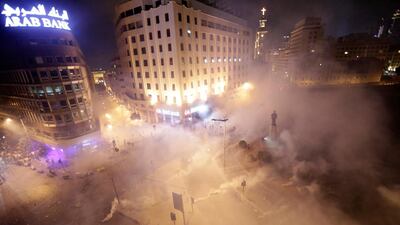
Audio-only app Clubhouse has allowed people in Lebanon to connect amid the pandemic and multiple crises. Getty Images

How Clubhouse is encouraging dialogue in Lebanon among citizens and politicians


Fatima Al Mahmoud
  • English
  • Arabic

For many Lebanese iPhone users, a digital invite is the only thing standing between them and a world of dialogue.

Welcome to Clubhouse, where, once you're off the waitlist and on the exclusive voice chat app, you're faced with a plethora of rooms that are open to all, no knocks or keys required.

In every room, users find themselves lost in a sea of names and profile pictures, everyone patiently waiting for their turn to speak.

Why Clubhouse?

The audio, invite and iOS-only application was initially launched in April 2020 by entrepreneur Paul Davison and former Google engineer Rohan Seth, and was valued at nearly $100 million merely one month later.

Now, it's worth about $1 billion.

It grew exponentially in February, following a talk on the app by Tesla boss Elon Musk, going from three to five million users "almost overnight", according to Wired.

Among those enthusiastically using the app are the Lebanese, who have not shied away from jumping on the bandwagon, downloading the application and distributing invites among one another.

Under Covid-19 safety measures and restrictions, physical gatherings in streets and lively locales have been replaced with a virtual cafe that's only one tap away. The uniqueness of Clubhouse attracts those looking to connect, engage, discuss, listen and network.

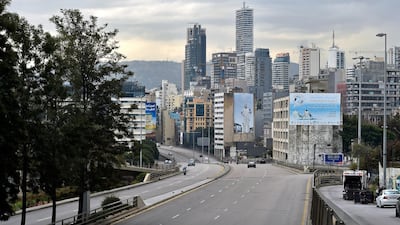
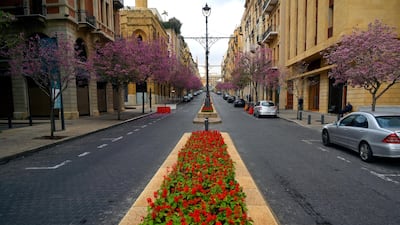
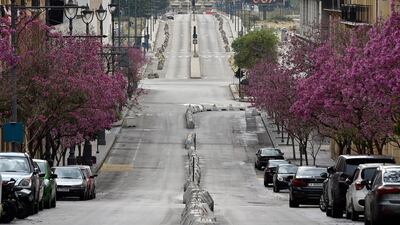
  • The streets are deserted in downtown Beirut as Lebanon authorities impose a nationwide lockdown between April 3 and April 6, 2021. EPA
    The streets are deserted in downtown Beirut as Lebanon authorities impose a nationwide lockdown between April 3 and April 6, 2021. EPA
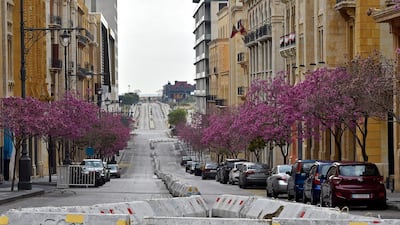
  • The lockdown and a 24-hour curfew will be effective until April 6. EPA
    The lockdown and a 24-hour curfew will be effective until April 6. EPA
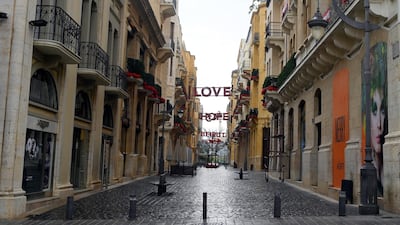
  • The curfew, taking place during the Easter holiday, is aimed at preventing the spread of Covid-19 infections. EPA
    The curfew, taking place during the Easter holiday, is aimed at preventing the spread of Covid-19 infections. EPA
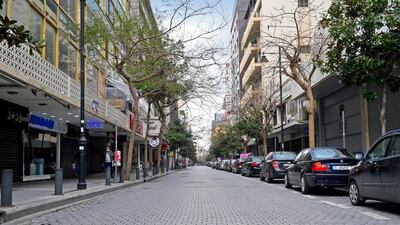
  • Lockdown comes as part of the country’s updated national lockdown measures amid worrying Covid-19 numbers. EPA
    Lockdown comes as part of the country’s updated national lockdown measures amid worrying Covid-19 numbers. EPA
  • On March 22 the country witnessed the highest number of admissions to intensive care units since the start of the pandemic. EPA
    On March 22 the country witnessed the highest number of admissions to intensive care units since the start of the pandemic. EPA
  • Lebanon will implement the same restrictions for Eid Al Fitr, as the country struggles to curb the coronavirus spread. EPA
    Lebanon will implement the same restrictions for Eid Al Fitr, as the country struggles to curb the coronavirus spread. EPA
  • Lockdown comes as the country faces its worst economic crisis. EPA
    Lockdown comes as the country faces its worst economic crisis. EPA

Soon enough, clubs such as ‘Lebanon 2030’, ‘Lebanon 2.0’ and ‘Politics of Lebanon’ were amassing huge numbers of members and hosting rooms on all sorts of topics, from elections to governments and reforms.

Now, Lebanese users of different ideologies are coming together in the realm of one room to engage in effective dialogue.

Meaningful discussions

When reflecting on the state of the crisis-stricken country, the disparities among the Lebanese pale in comparison.

"People understand that Lebanon is in a real crisis and they're all experiencing existential dread," Marwan Matni, Lebanese journalist and political activist, tells The National.

“Everyone is scared of what will happen tomorrow, so they’re engaging in conversations to understand where they are and where they’re going."

Marwan Matni, journalist and political activist. Courtesy Marwan Matni

Users of all ages, professions, sects, backgrounds, religions and beliefs are meeting up in Clubhouse rooms to share their thoughts on the crises that have plagued Lebanon, caused by years of corruption and mismanagement.

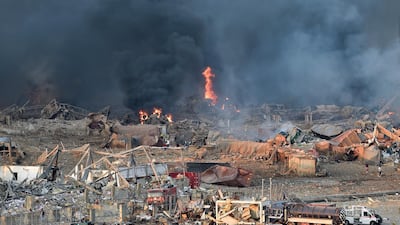
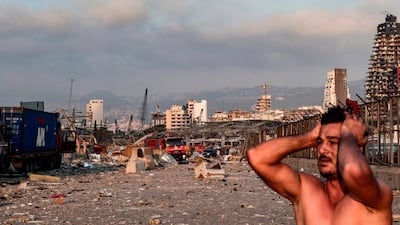
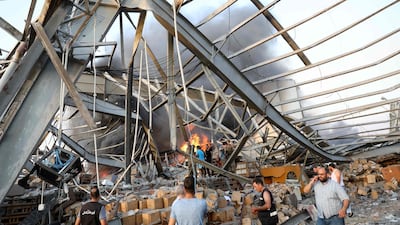
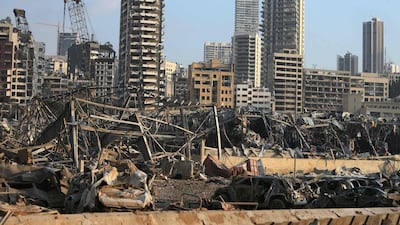
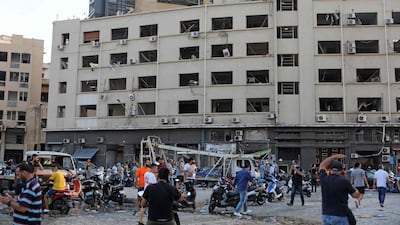
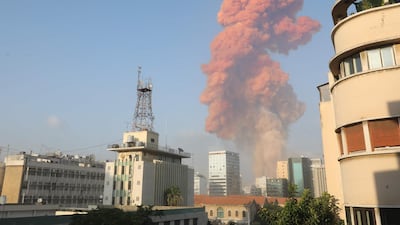
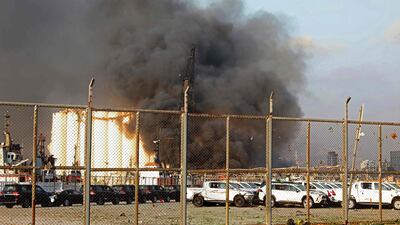
Today, political deadlock has hindered the implementation of an urgent economic rescue plan, the formation of an efficient government and accountability against those who knew about the ammonium nitrate that decimated Beirut on August 4, but did nothing.

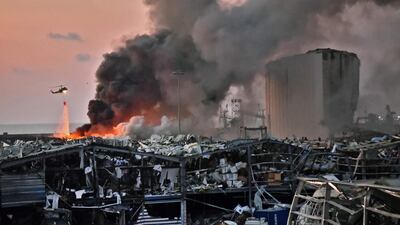
  • A helicopter puts out a fire at the scene of the explosion at the port of Lebanon's capital Beirut on August 4, 2020. AFP
    A helicopter puts out a fire at the scene of the explosion at the port of Lebanon's capital Beirut on August 4, 2020. AFP
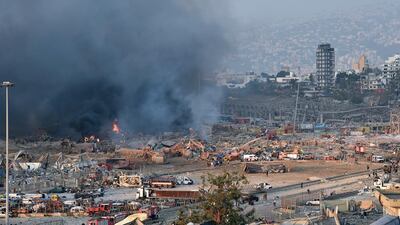
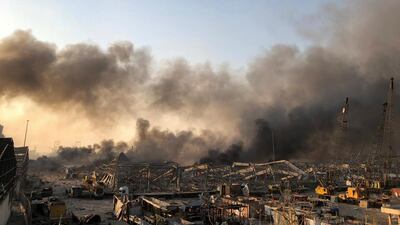
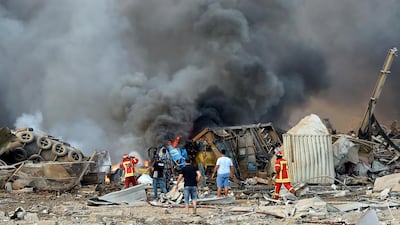
  • Smoke billows from an area of a large explosion that rocked the harbour area of Beirut, Lebanon. EPA
    Smoke billows from an area of a large explosion that rocked the harbour area of Beirut, Lebanon. EPA
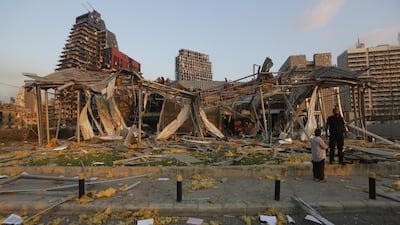
  • The aftermath of blast in Beirut. Sunniva Rose / The National
    The aftermath of blast in Beirut. Sunniva Rose / The National
  • The scene of the explosion that rocked Beirut. AFP
    The scene of the explosion that rocked Beirut. AFP
  • The harbour area with smoke billowing from an area of the explosion, Beirut, Lebanon. EPA
    The harbour area with smoke billowing from an area of the explosion, Beirut, Lebanon. EPA
  • A man reacts at the scene of an explosion at the port in Lebanon's capital Beirut. AFP
    A man reacts at the scene of an explosion at the port in Lebanon's capital Beirut. AFP
  • The scene of the explosion at the port in Beirut. AFP
    The scene of the explosion at the port in Beirut. AFP
  • The scene of the explosion at the port in Beirut. AFP
    The scene of the explosion at the port in Beirut. AFP
  • The scene of the explosion in Beirut. AFP
    The scene of the explosion in Beirut. AFP
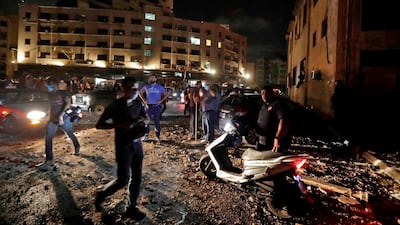
  • People gather near the scene of the explosion in Beirut. AFP
    People gather near the scene of the explosion in Beirut. AFP
  • The scene of the blast in Beirut. AFP
    The scene of the blast in Beirut. AFP
  • The scene of the explosion in Beirut. AFP
    The scene of the explosion in Beirut. AFP
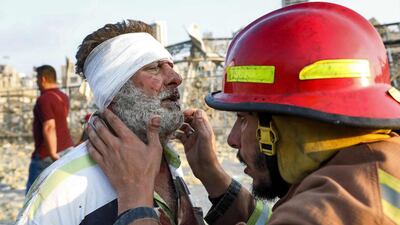
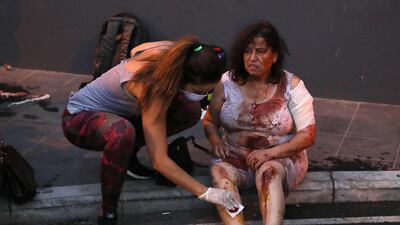
  • A wounded man is checked by a fireman near the scene of the explosion in Beirut. AFP
    A wounded man is checked by a fireman near the scene of the explosion in Beirut. AFP
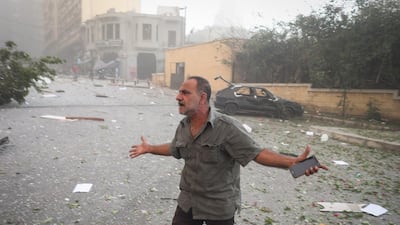
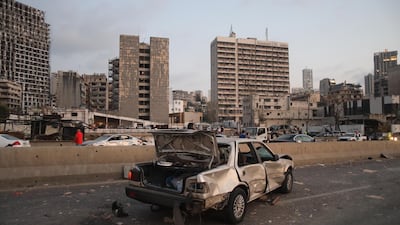
  • A resident stands in the street by a destroyed car, following the explosion near by at the port of Beirut. Bloomberg
    A resident stands in the street by a destroyed car, following the explosion near by at the port of Beirut. Bloomberg
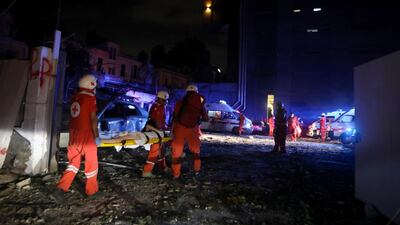
  • Lebanese Red Cross officers carry an injured woman following an explosion at the port of Beirut on August 4, 2020. AFP
    Lebanese Red Cross officers carry an injured woman following an explosion at the port of Beirut on August 4, 2020. AFP
  • Smoke rises after the explosion was heard in Beirut. Reuters
    Smoke rises after the explosion was heard in Beirut. Reuters
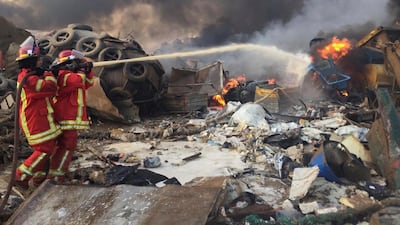
  • Firefighters spray water at a blaze after the explosion in Beirut. Reuters
    Firefighters spray water at a blaze after the explosion in Beirut. Reuters
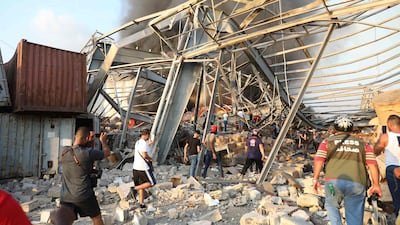
  • People walk at scene of the explosion in Beirut. AFP
    People walk at scene of the explosion in Beirut. AFP
  • The blast at Beirut port. Twitter/ @borzou
    The blast at Beirut port. Twitter/ @borzou
  • Army personnel around entrance to port.
    Army personnel around entrance to port.
  • The aftermath of the blast in Beirut. Sunniva Rose / The National
    The aftermath of the blast in Beirut. Sunniva Rose / The National
  • The aftermath of the blast in Beirut. Sunniva Rose / The National
    The aftermath of the blast in Beirut. Sunniva Rose / The National
  • The aftermath of the blast in Beirut. Sunniva Rose / The National
    The aftermath of the blast in Beirut. Sunniva Rose / The National
  • The aftermath of blast in Beirut. Sunniva Rose / The National
    The aftermath of blast in Beirut. Sunniva Rose / The National
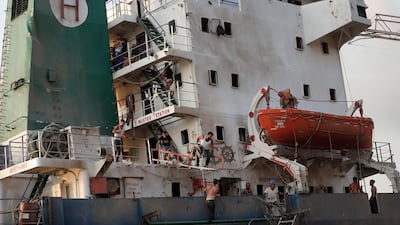
  • Sailors leave their damaged ship near the explosion in Beirut. AP Photo
    Sailors leave their damaged ship near the explosion in Beirut. AP Photo
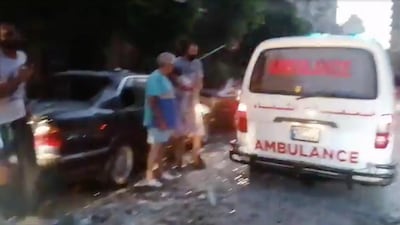
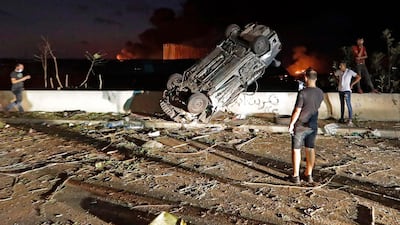
  • A vehicle stands damaged on a road following a large explosion at the port area of Beirut. Bloomberg
    A vehicle stands damaged on a road following a large explosion at the port area of Beirut. Bloomberg
  • Firefighters try to extinguish flames after a large explosion rocked the harbour area of Beirut. EPA
    Firefighters try to extinguish flames after a large explosion rocked the harbour area of Beirut. EPA
  • People and journalists gather at the scene of an explosion at the port of Lebanon's capital Beirut. AFP
    People and journalists gather at the scene of an explosion at the port of Lebanon's capital Beirut. AFP
  • An injured man sits outside American University of Beirut medical centre on August 5, 2020. Reuters
    An injured man sits outside American University of Beirut medical centre on August 5, 2020. Reuters
  • Men stand before wrecked buildings near the port. Getty Images
    Men stand before wrecked buildings near the port. Getty Images
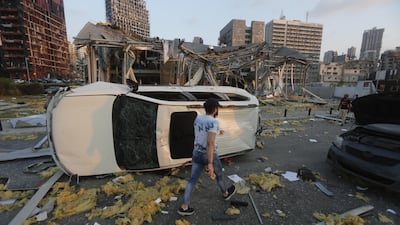
  • A man walks by an overturned car and destroyed buildings. Getty Images
    A man walks by an overturned car and destroyed buildings. Getty Images
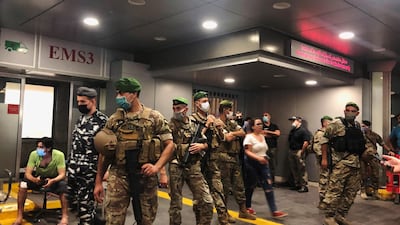
  • Lebanese soldiers stand outside American University of Beirut medical centre. Reuters
    Lebanese soldiers stand outside American University of Beirut medical centre. Reuters
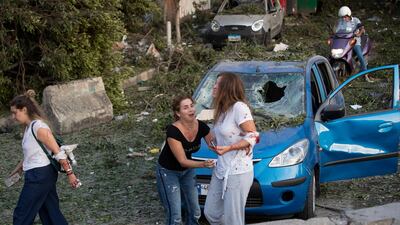
  • Injured people stand after the explosion. AP Photo
    Injured people stand after the explosion. AP Photo
  • People gather by cars destroyed following an explosion at the port of Lebanon's capital Beirut. AFP
    People gather by cars destroyed following an explosion at the port of Lebanon's capital Beirut. AFP
  • Wounded people wait to receive treatment outside a hospital following an explosion near the Beirut port. AFP
    Wounded people wait to receive treatment outside a hospital following an explosion near the Beirut port. AFP

It did, however, set in motion grounds for dialogue that are lacking on other media channels.

"Clubhouse enforces respect," says a Lebanese law student and activist who wishes to remain anonymous. "If you don't want to abide by that, it's not the platform for you."

From digital rooms to real-world meet-ups

While other social media platforms can be used by fake profiles, Clubhouse allows for genuine and realistic conversations, explains Roland Abi Najem, a cybersecurity and digital transformation consultant.

“It allows people to express themselves with emotions like they would in real life because their names and voices are public.”

Clubhouse has served as an ‘ice breaker’ between groups that have long learnt to disagree with one another, he adds.

After participating in rooms with groups of different ideologies, Jade Dimien, a member of the Lebanese Forces Central Council, says he focused on finding common ground and sharing "similar values" with others.

“The application has narrowed the differences between groups and showed them the extent of common ground they can share,” he explains.

Roland Abi Najem, cybersecurity and digital transformation consultant. Courtesy Roland Abi Najem

The app's impact has even extended beyond the digital-scape, with users arranging in-person debates and discussions.

"It's important that we take what we learn in Clubhouse rooms and apply it into the real world," says Dimien, who is from Tripoli, Lebanon's second largest city and one of the most impoverished areas on the Mediterranean. He has been actively partaking in rooms discussing solutions and projects for the neglected city.

“These discussions are a huge added value, and hopefully the positive impact will continue to grow with time.”

'Capable of change'

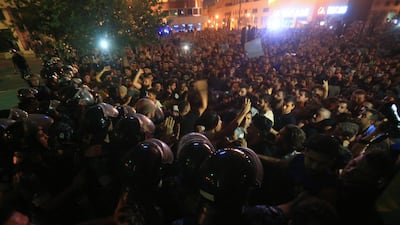
While Clubhouse may not play the same role that social media platforms did in igniting the Arab uprisings, it can help regain faith in Lebanon's protests which first kicked off in mid-October 2019, argue activists.

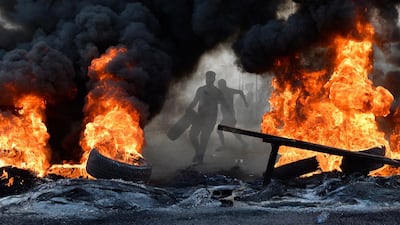
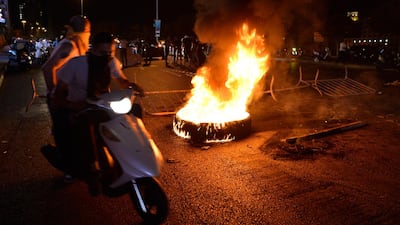
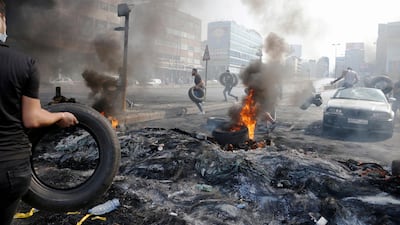
  • A protester throws a tyre on to a fire to block a road during a protest in north of Beirut, Lebanon in October 2019. EPA
    A protester throws a tyre on to a fire to block a road during a protest in north of Beirut, Lebanon in October 2019. EPA
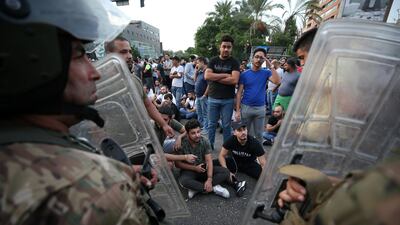
  • Demonstrators sit together during a protest over deteriorating economic situation, in the city of Jounieh, north of Beirut. Reuters
    Demonstrators sit together during a protest over deteriorating economic situation, in the city of Jounieh, north of Beirut. Reuters
  • Demonstrators gather in Sidon, Lebanon. Reuters
    Demonstrators gather in Sidon, Lebanon. Reuters
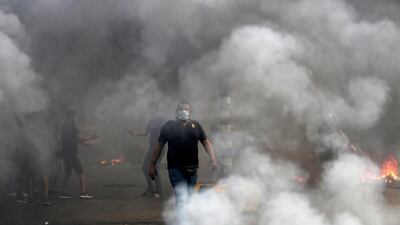
  • Lebanese riot police fire tear gas. AP Photo
    Lebanese riot police fire tear gas. AP Photo
  • Protesters shout anti-government slogans in front of the Government Palace in downtown Beirut. EPA
    Protesters shout anti-government slogans in front of the Government Palace in downtown Beirut. EPA
  • Thousands of protesters, mainly civil activists, condemned the proposed taxes that would go along with the 2020 budget, especially an unexpected government plan to impose a fee for using WhatsApp calls. EPA
    Thousands of protesters, mainly civil activists, condemned the proposed taxes that would go along with the 2020 budget, especially an unexpected government plan to impose a fee for using WhatsApp calls. EPA
  • Public anger has simmered since parliament passed an austerity budget in July to help trim a ballooning deficit. EPA
    Public anger has simmered since parliament passed an austerity budget in July to help trim a ballooning deficit. EPA
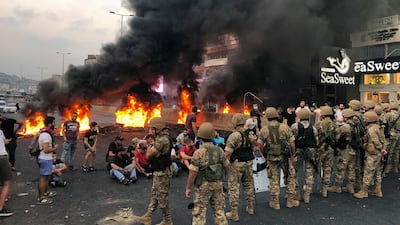
  • Protesters in the capital blocked the road to the airport with burning tyres, prompting a heavy deployment by security forces. EPA
    Protesters in the capital blocked the road to the airport with burning tyres, prompting a heavy deployment by security forces. EPA
  • A crows of demonstrators faces police. EPA
    A crows of demonstrators faces police. EPA
  • Lebanese demonstrators gather during a protest in Zouk Mikael. AFP
    Lebanese demonstrators gather during a protest in Zouk Mikael. AFP
  • Lebanese army convoy waits for a blocked road to be open. EPA
    Lebanese army convoy waits for a blocked road to be open. EPA
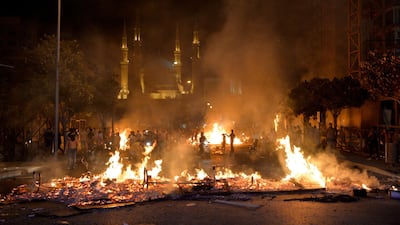
  • An anti-government protester walks between burning tyres in Beirut, Lebanon. AP Photo
    An anti-government protester walks between burning tyres in Beirut, Lebanon. AP Photo
  • Demonstrators run as they hold tyres during a protest over the deteriorating economic situation, in Dora, Lebanon. Reuters
    Demonstrators run as they hold tyres during a protest over the deteriorating economic situation, in Dora, Lebanon. Reuters
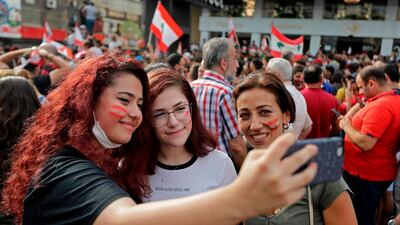
  • Lebanese demonstrators take a selfie during the protest. AFP
    Lebanese demonstrators take a selfie during the protest. AFP
  • Passengers walk to the airport after anti-government protesters blocked the road. AP Photo
    Passengers walk to the airport after anti-government protesters blocked the road. AP Photo
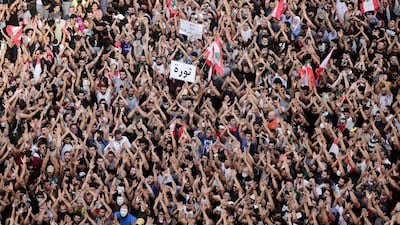
  • Anti-government protesters hold a placard with Arabic that reads "Revolution," as shout slogans against the Lebanese government. AP Photo
    Anti-government protesters hold a placard with Arabic that reads "Revolution," as shout slogans against the Lebanese government. AP Photo
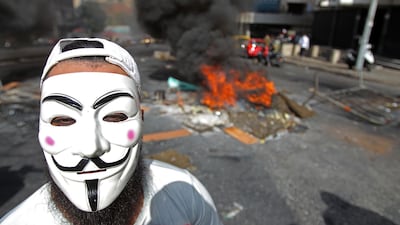
  • A protester wearing a Guy Fawkes mask looks in Beirut's Salim Slem neighbourhood. AFP
    A protester wearing a Guy Fawkes mask looks in Beirut's Salim Slem neighbourhood. AFP
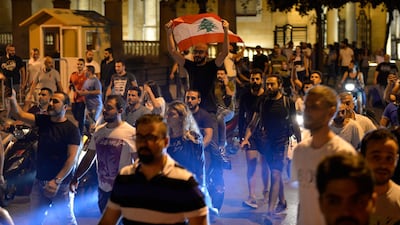
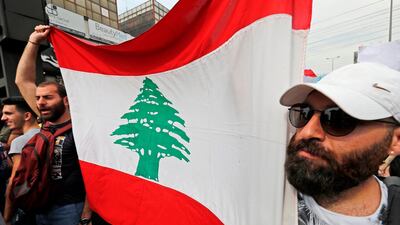
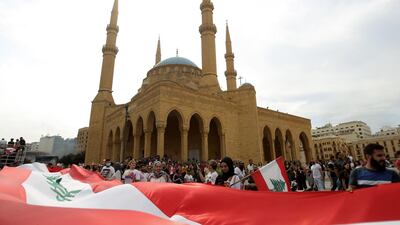
  • Lebanese demonstrators wave the national flag during a protest against dire economic conditions in downtown Beirut. AFP
    Lebanese demonstrators wave the national flag during a protest against dire economic conditions in downtown Beirut. AFP

"After October 17, the ruling class tried its best to downplay the impact of the demonstrations," says Matni. "But Clubhouse can help the Lebanese see that they are capable of change."

The ‘rules’ of Clubhouse play an important part in facilitating dialogue about this, he says.

For example, moderators keep the discussion in check, cycling back to the designated topic and avoiding heated arguments. Even 'trolls' who enter Clubhouse rooms to start trouble have quickly learnt that unless they improve their communication, they won't get the chance to speak.

"They can simply be muted or removed off stage, so it teaches them to change their ways if they really want to talk," says the law student.

When you're in a room with people who are listening and forming an opinion based on what you're saying, you do your best to deliver a logical discussion

People are encouraged to speak one at a time, prompting others to listen. Speakers are then more motivated to present a valid and succinct argument.

“When you’re in a room with people who are listening and forming an opinion based on what you’re saying, you do your best to deliver a logical discussion,” explains Abi Najem.

This approach has broken down barriers and defied the perception of “us vs them”, still very prevalent in Lebanon, and instead brought people closer together, all drawn in by a collective concern for the country and its future.

“If things get worse in Lebanon, it’s not a chapter we can turn over, it’s a turning point,” says Matni. “We have to listen to each other because politicians won’t listen.”

'Politicians can hear you'

Many of Lebanon’s lawmakers and ministers have also joined Clubhouse to share their programmes and visions for the country, especially ahead of the parliamentary elections in 2022.

Despite offering promises for years, politicians were received on the application by citizens who welcomed the two-way communication.

“Regardless of how you feel about the politicians, it’s important to express your views and tell them where they went wrong directly," says Dimien. "Unlike other media outlets, on Clubhouse you know that they can hear you.”


Pakistan Super League

Previous winners

2016 Islamabad United

2017 Peshawar Zalmi

2018 Islamabad United

2019 Quetta Gladiators


Most runs Kamran Akmal – 1,286

Most wickets Wahab Riaz –65

What is the definition of an SME?

SMEs in the UAE are defined by the number of employees, annual turnover and sector. For example, a “small company” in the services industry has six to 50 employees with a turnover of more than Dh2 million up to Dh20m, while in the manufacturing industry the requirements are 10 to 100 employees with a turnover of more than Dh3m up to Dh50m, according to Dubai SME, an agency of the Department of Economic Development.

A “medium-sized company” can either have staff of 51 to 200 employees or 101 to 250 employees, and a turnover less than or equal to Dh200m or Dh250m, again depending on whether the business is in the trading, manufacturing or services sectors. 

Dengue%20fever%20symptoms
%3Cp%3EHigh%20fever%20(40%C2%B0C%2F104%C2%B0F)%3Cbr%3ESevere%20headache%3Cbr%3EPain%20behind%20the%20eyes%3Cbr%3EMuscle%20and%20joint%20pains%3Cbr%3ENausea%3Cbr%3EVomiting%3Cbr%3ESwollen%20glands%3Cbr%3ERash%26nbsp%3B%3C%2Fp%3E%0A
FROM%20THE%20ASHES
%3Cp%3EDirector%3A%20Khalid%20Fahad%3C%2Fp%3E%0A%3Cp%3EStarring%3A%20Shaima%20Al%20Tayeb%2C%20Wafa%20Muhamad%2C%20Hamss%20Bandar%3C%2Fp%3E%0A%3Cp%3ERating%3A%203%2F5%3C%2Fp%3E%0A
How to register as a donor

1) Organ donors can register on the Hayat app, run by the Ministry of Health and Prevention

2) There are about 11,000 patients in the country in need of organ transplants

3) People must be over 21. Emiratis and residents can register. 

4) The campaign uses the hashtag  #donate_hope

Emergency

Director: Kangana Ranaut

Stars: Kangana Ranaut, Anupam Kher, Shreyas Talpade, Milind Soman, Mahima Chaudhry 

Rating: 2/5

The specs: 2018 Mercedes-Benz E 300 Cabriolet

Price, base / as tested: Dh275,250 / Dh328,465

Engine: 2.0-litre four-cylinder

Power: 245hp @ 5,500rpm

Torque: 370Nm @ 1,300rpm

Transmission: Nine-speed automatic

Fuel consumption, combined: 7.0L / 100km

Mercer, the investment consulting arm of US services company Marsh & McLennan, expects its wealth division to at least double its assets under management (AUM) in the Middle East as wealth in the region continues to grow despite economic headwinds, a company official said.

Mercer Wealth, which globally has $160 billion in AUM, plans to boost its AUM in the region to $2-$3bn in the next 2-3 years from the present $1bn, said Yasir AbuShaban, a Dubai-based principal with Mercer Wealth.

Within the next two to three years, we are looking at reaching $2 to $3 billion as a conservative estimate and we do see an opportunity to do so,” said Mr AbuShaban.

Mercer does not directly make investments, but allocates clients’ money they have discretion to, to professional asset managers. They also provide advice to clients.

“We have buying power. We can negotiate on their (client’s) behalf with asset managers to provide them lower fees than they otherwise would have to get on their own,” he added.

Mercer Wealth’s clients include sovereign wealth funds, family offices, and insurance companies among others.

From its office in Dubai, Mercer also looks after Africa, India and Turkey, where they also see opportunity for growth.

Wealth creation in Middle East and Africa (MEA) grew 8.5 per cent to $8.1 trillion last year from $7.5tn in 2015, higher than last year’s global average of 6 per cent and the second-highest growth in a region after Asia-Pacific which grew 9.9 per cent, according to consultancy Boston Consulting Group (BCG). In the region, where wealth grew just 1.9 per cent in 2015 compared with 2014, a pickup in oil prices has helped in wealth generation.

BCG is forecasting MEA wealth will rise to $12tn by 2021, growing at an annual average of 8 per cent.

Drivers of wealth generation in the region will be split evenly between new wealth creation and growth of performance of existing assets, according to BCG.

Another general trend in the region is clients’ looking for a comprehensive approach to investing, according to Mr AbuShaban.

“Institutional investors or some of the families are seeing a slowdown in the available capital they have to invest and in that sense they are looking at optimizing the way they manage their portfolios and making sure they are not investing haphazardly and different parts of their investment are working together,” said Mr AbuShaban.

Some clients also have a higher appetite for risk, given the low interest-rate environment that does not provide enough yield for some institutional investors. These clients are keen to invest in illiquid assets, such as private equity and infrastructure.

“What we have seen is a desire for higher returns in what has been a low-return environment specifically in various fixed income or bonds,” he said.

“In this environment, we have seen a de facto increase in the risk that clients are taking in things like illiquid investments, private equity investments, infrastructure and private debt, those kind of investments were higher illiquidity results in incrementally higher returns.”

The Abu Dhabi Investment Authority, one of the largest sovereign wealth funds, said in its 2016 report that has gradually increased its exposure in direct private equity and private credit transactions, mainly in Asian markets and especially in China and India. The authority’s private equity department focused on structured equities owing to “their defensive characteristics.”

How%20to%20avoid%20getting%20scammed
%3Cul%3E%0A%3Cli%3ENever%20click%20on%20links%20provided%20via%20app%20or%20SMS%2C%20even%20if%20they%20seem%20to%20come%20from%20authorised%20senders%20at%20first%20glance%3C%2Fli%3E%0A%3Cli%3EAlways%20double-check%20the%20authenticity%20of%20websites%3C%2Fli%3E%0A%3Cli%3EEnable%20Two-Factor%20Authentication%20(2FA)%20for%20all%20your%20working%20and%20personal%20services%3C%2Fli%3E%0A%3Cli%3EOnly%20use%20official%20links%20published%20by%20the%20respective%20entity%3C%2Fli%3E%0A%3Cli%3EDouble-check%20the%20web%20addresses%20to%20reduce%20exposure%20to%20fake%20sites%20created%20with%20domain%20names%20containing%20spelling%20errors%3C%2Fli%3E%0A%3C%2Ful%3E%0A
MOUNTAINHEAD REVIEW

Starring: Ramy Youssef, Steve Carell, Jason Schwartzman

Director: Jesse Armstrong

Rating: 3.5/5

GOLF’S RAHMBO

- 5 wins in 22 months as pro
- Three wins in past 10 starts
- 45 pro starts worldwide: 5 wins, 17 top 5s
- Ranked 551th in world on debut, now No 4 (was No 2 earlier this year)
- 5th player in last 30 years to win 3 European Tour and 2 PGA Tour titles before age 24 (Woods, Garcia, McIlroy, Spieth)