



Large crowds of worshippers across the UAE continue to attend mosques for prayers during Ramadan despite continued Iranian attacks on the country.
In Abu Dhabi and Dubai overnight, worshippers gathered for late night prayers often performed during the final ten nights of the holy month
This period is considered the most spiritually significant part of Ramadan as it includes Laylat Al Qadr, believed to be the night the Quran was first revealed.

At the Sheikh Zayed Grand Mosque in Abu Dhabi and the Al Farooq Omar bin Al Khattab Mosque in Al Safa, Dubai, images shot by The National’s photojournalists show worshippers praying late into the night.
-
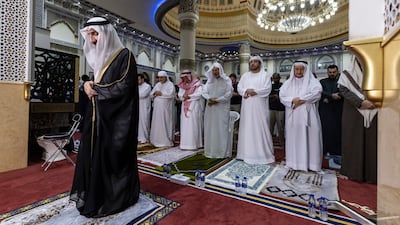
Tahajjud prayers at Al Farooq Omar bin Al Khattab Mosque in Al Safa, Dubai. All photos: Antonie Robertson / The National -
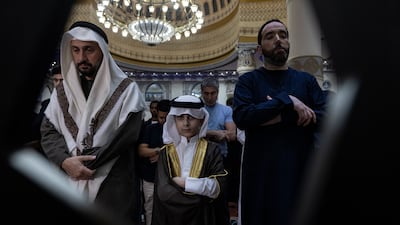
Tahajjud prayers take place during Qiyam Al Layl, when Muslims pray all night during Ramadan -
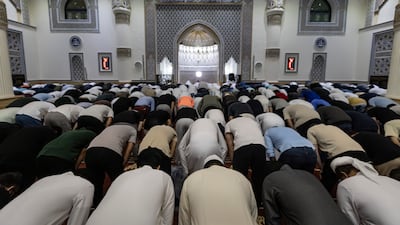
The prayers, also known as Qiyam, take place during the final 10 nights of Ramadan, when Muslims increase their piety -
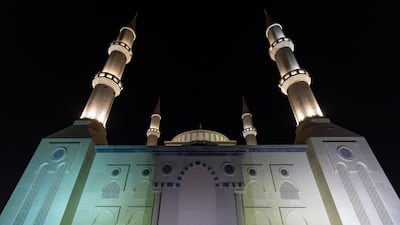
They are carried out after taraweeh prayers -
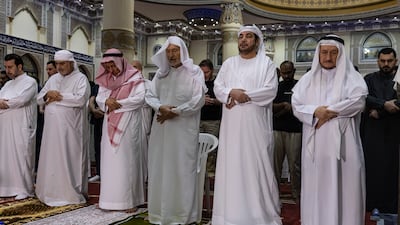
Muslims typically try to pray at mosques as it is thought there is a greater reward in communal prayer -
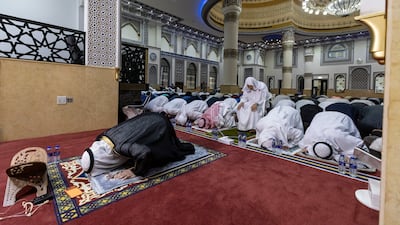
Ramadan is considered the holiest month in the Islamic – or Hijri – calendar -
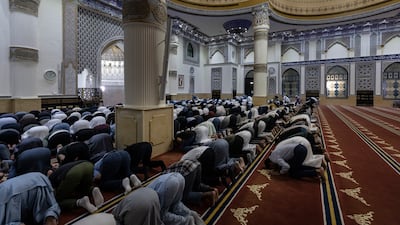
Ramadan began on February 18 and lasts for 29 or 30 days, depending on the sighting of the Moon -
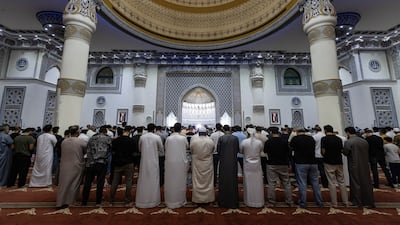
The end of the holy month, marked by the Eid Al Fitr celebration, will be determined by the UAE Moon-sighting committee


Worshippers stand in long rows of prayer or sit outside in quiet contemplation. For the past few nights, worshippers have prayed under rain showers.
During this time, worshippers perform Qiyam Al Layl, which refers to any kind of night worship and isn't limited to prayer. For example, it could be reading the Quran. They also perform Tahajjud, which are prayers that tend to take place in the early hours of the morning.
Alerts on mobile phones occasionally flash news of developments, but for many, the quiet of the mosque provides a momentary refuge from the wider unrest. And despite the tensions, people have tried to maintain regular life despite this new reality.
The conflict began on February 28 and the UAE has since been targeted by sustained drone and missile attacks from Iran.
Across the country, however, residents still gather at mosques before sunset to break their fast and attend Maghrib prayers, sharing food and conversation in the quiet calm that follows a long day of fasting.
Food stalls have been set up outside restaurants in busy neighbourhoods, such as Dubai's Karama, to cater to those ending their fast.
-
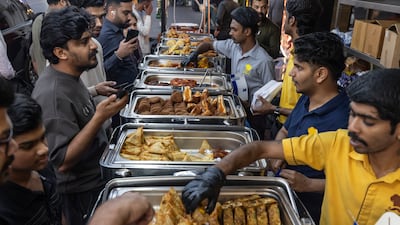
Food stalls in Dubai's Karama open in time for iftar. All photos: Antonie Robertson/The National -

The stalls sell snacks and drinks -
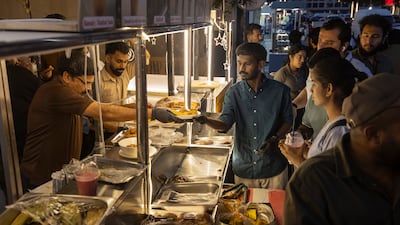
Residents get food from one of the stalls -
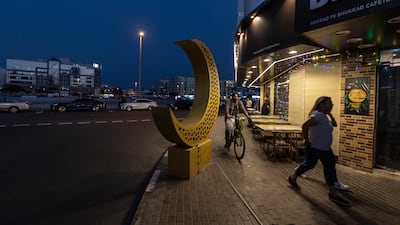
Ramadan comes at a time of tension, but people try to go about their daily routines -
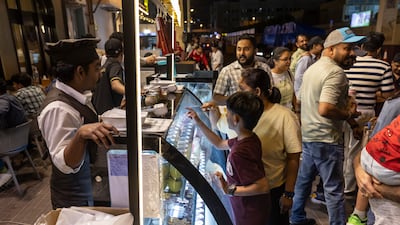
The stalls create a market atmosphere -

Food is cooked on the spot -
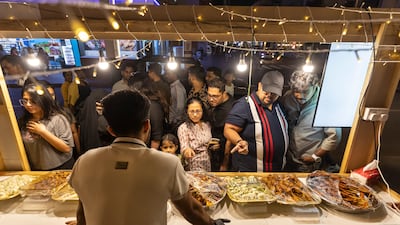
The crowds swell after iftar -

A worker at one of the stalls -
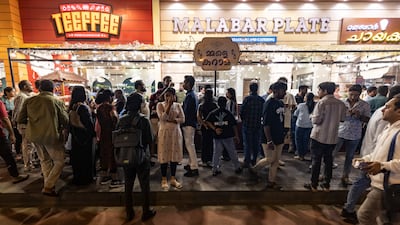
People gather in Karama during the final days of Ramadan -
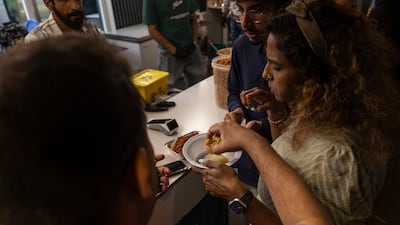
Residents purchase food from one of the stalls -

Life in Karama still carries on despite the tensions


Together, these images of Ramadan nights in the UAE show how everyday life continues through quiet prayer, gatherings of family and workers and shared meals, even during a time of great uncertainty.

