Drought causing exodus to Iraq's cities - in pictures
-
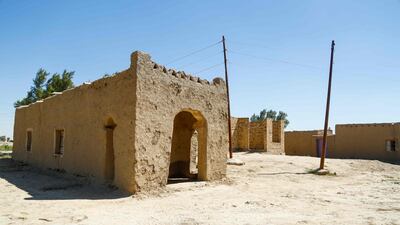
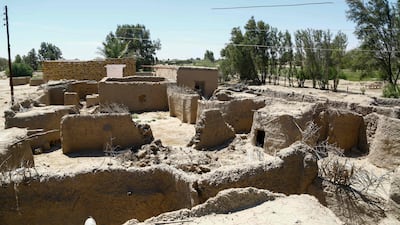
An abandoned house in Al-Bouzayad village, Diwaniya province, Iraq. All photos: AFP -
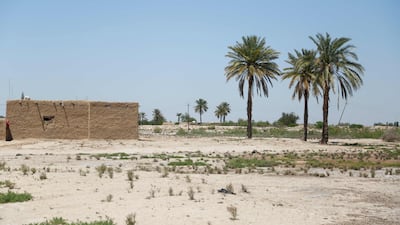
The provinces of Dhi Qar, Maysan and Diwaniya are among the worst affected by the drought, according to the International Organisation for Migration, which estimates 76 per cent of displaced people relocate to cities -

Haydar Mohamed once grew wheat and barley, but drought has forced him off the land and into the city where he now earns $15 a day in construction, supplementing this by driving a taxi -

'The transition is difficult,' said Mohamed, 42, who abandoned village life several years ago for a shantytown in the city of Karbala, 'but if you don't work you don't eat' -

Until 2017, Mohamed farmed in the remote village of Al-Khenejar in Diwaniya province where, in a good year, they would harvest 40 or 50 tonnes of grain -

The United Nations ranks Iraq as one of the world's five countries most affected by climate change -
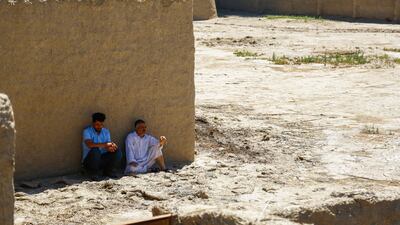
The UN says nearly one in five people live in an area hit by water shortages, while state authorities have limited areas designated for cultivation -
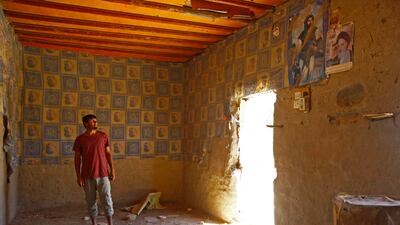
In Diwaniya province, 120 villages rely on water deliveries, up from 75 last summer, said provincial governor Maitham al-Chahd -
The rural flight piles pressure on urban areas where infrastructure is dilapidated after decades of conflict, corruption and mismanagement and reports warn of 'social unrest' driven by climate factors -
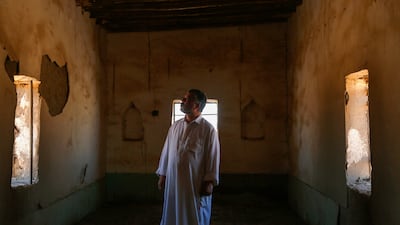
Al-Chahd said rural migrants faced unemployment in the cities, where there 'are not enough job opportunities' for all the newcomers -

Rural areas, meanwhile, are being deserted, including the village of Al-Bouzayad, where the main irrigation canal has dried up -
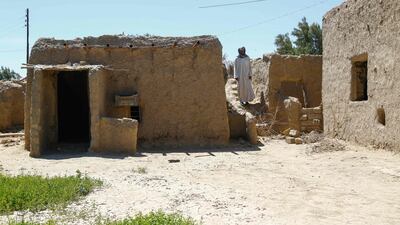
About 100 families have left in the past two years, and today only 170 households are still listed on the municipal register, said mayor Majed Raham -

Those who stayed depend on water deliveries made by tankers sent by the governorate authorities -
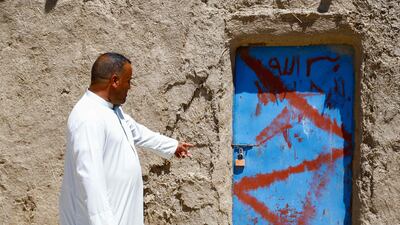
Raham said most survive on either state benefits or money earned by their children, who commute daily to the nearest town -

'The majority want to leave,' he said, 'but they don't have the means'


Most popular today